 Language Quiz · German for English speakers
Deutsch
Erste Schritte
German in 12 real places: the words pinned on the things, a story in each place, and the grammar the story needs.
Berlin·München·Hamburg·Köln·Frankfurt·Leipzig
languagequiz.org
Before you start
How this book works
Every chapter is one place: a market in Munich, a Späti at midnight, a flat in Berlin, the Bürgeramt. The place gives you the words, the words carry the story, and the story carries the grammar. You never learn a rule before you have met it in a sentence.
The chapters all have the same ten pages, so you always know where you are:
- The photo. A real place, with the words pinned on the things.
- Words first. The rest of the chapter's words, with pictures. Cover the English, test yourself.
- Reading. Maya, Lena and Max in the situation.The English is underneath, small.
- Grammar, twice. Two pages, two rules, a Mini-Check at the foot of each.
- Reading the real thing. A photographed sign, menu, form or board, as Germany prints it.
- Practice, two pages. Write in the book. The answers are at the back, not on the page.
- Listen, speak, I can. The QR codes, and the four things you can now do.
- The picture dictionary. Every pictured word of the chapter on one page.
Work with a pencil. Say every German word out loud as you write it. The ruled lines at the foot of a page are yours: the sentences you want to keep, the mistakes you made twice.
The codes. Scan a code with your phone camera and the chapter's audio plays, the tutor talks to you, or the app opens the exercise with instant correction. The address under each code does the same if the camera will not read it: type it into a browser. In the PDF, the codes and addresses are links.
Wusstest du? The box at the foot of a page is a fact about Germany, not grammar. Skip it or read it; it is there because the place deserved it.
Three colours. Blue words are der, red words die, green words das, in every list and table. Buy three pencils.
This book belongs to
A1.1
Contents
- 1 Hallo! Das bin ich Saying hello, your name, where you are fromBergmannstraße, Berlin-Kreuzberg 4
- 2 Zahlen und Preise Counting to a hundred, prices, phone numbersEin Späti in Berlin, abends 14
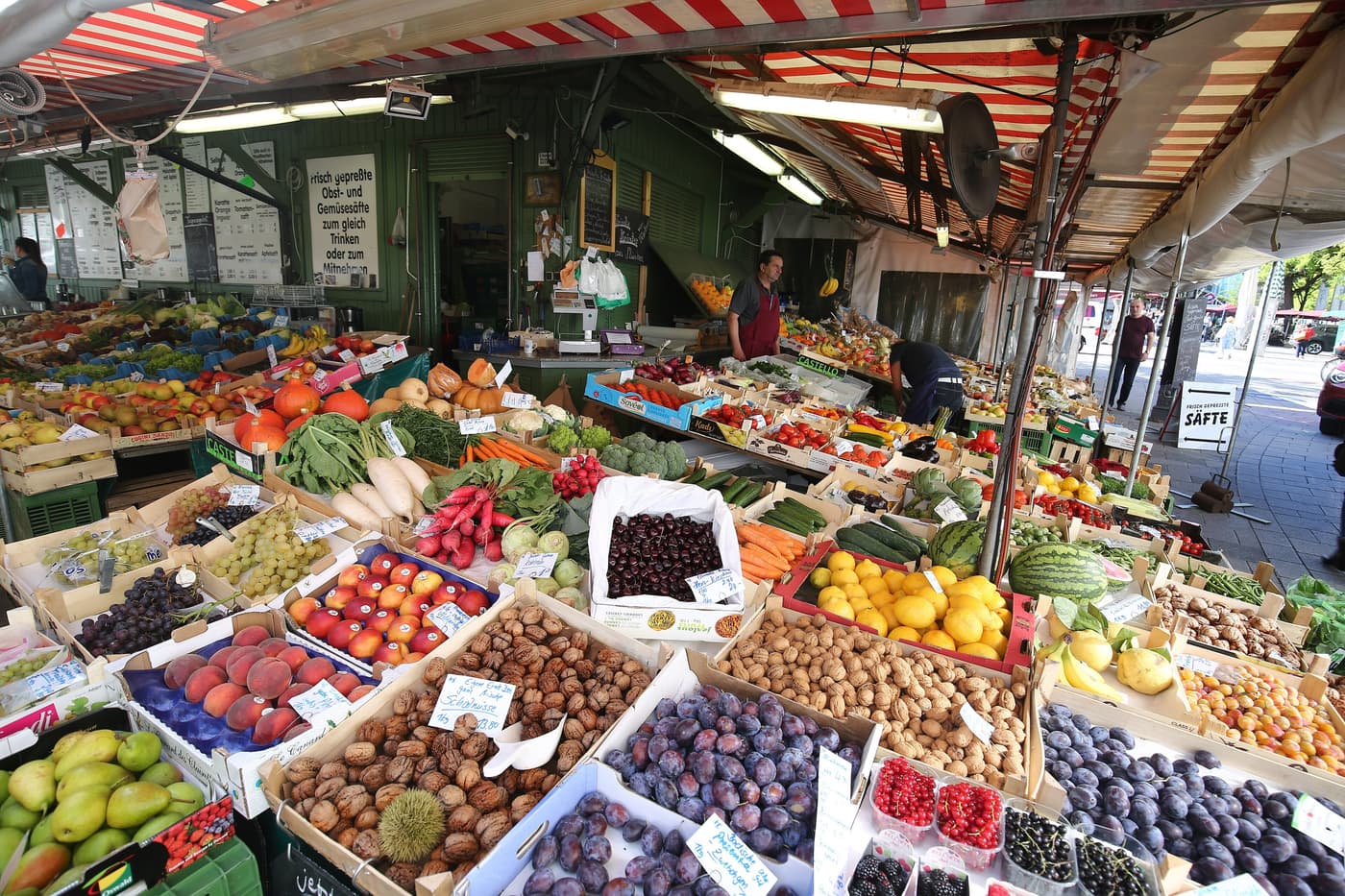
- 3 Auf dem Markt Buying food, asking the price, saying how muchViktualienmarkt, München 24
- 4 Meine Wohnung Rooms, furniture, der die das, and where things areEin Altbau in Prenzlauer Berg 34
- 5 Meine Familie Family, ages, colours, and habenKaffee und Kuchen am Sonntag 44
- 6 Ein Tag in Hamburg What you do all day: verbs in the present tenseHamburg: Fischmarkt, Elbe, Hafen 54
- 7 Wo bist du? Places in the city, and saying where you areKöln: Dom, Rhein, Kölsch 64
- 8 Länder und Sprachen Where you are from, what you speak, and the four directionsFlughafen Frankfurt 74
- 9 Das Alphabet und ein Formular Spelling your name, filling in a formDas Bürgeramt 84
- 10 Im Café Ordering politely, paying, and what is on the menuEin Kaffeehaus in Leipzig 94
- 11 Wörter bauen Long words from short ones, and -in for a womanIm Baumarkt 104
- 12 Steckbrief Everything about you on one page, and the whole book in one chapterDie Pinnwand 114
- ✓Answers and the picture credits124
Hallo! Das bin ich
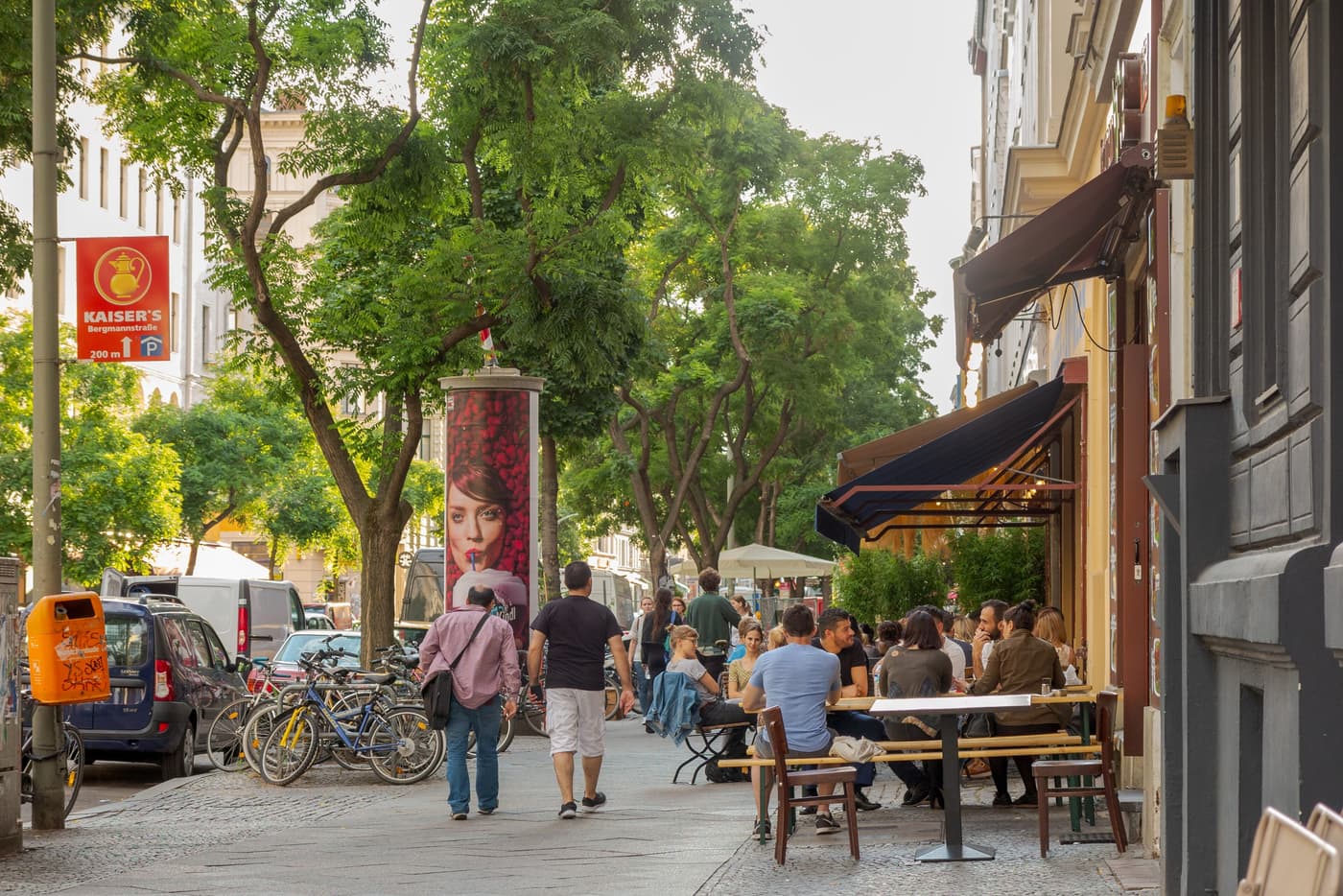
Bergmannstraße, Berlin-Kreuzberg
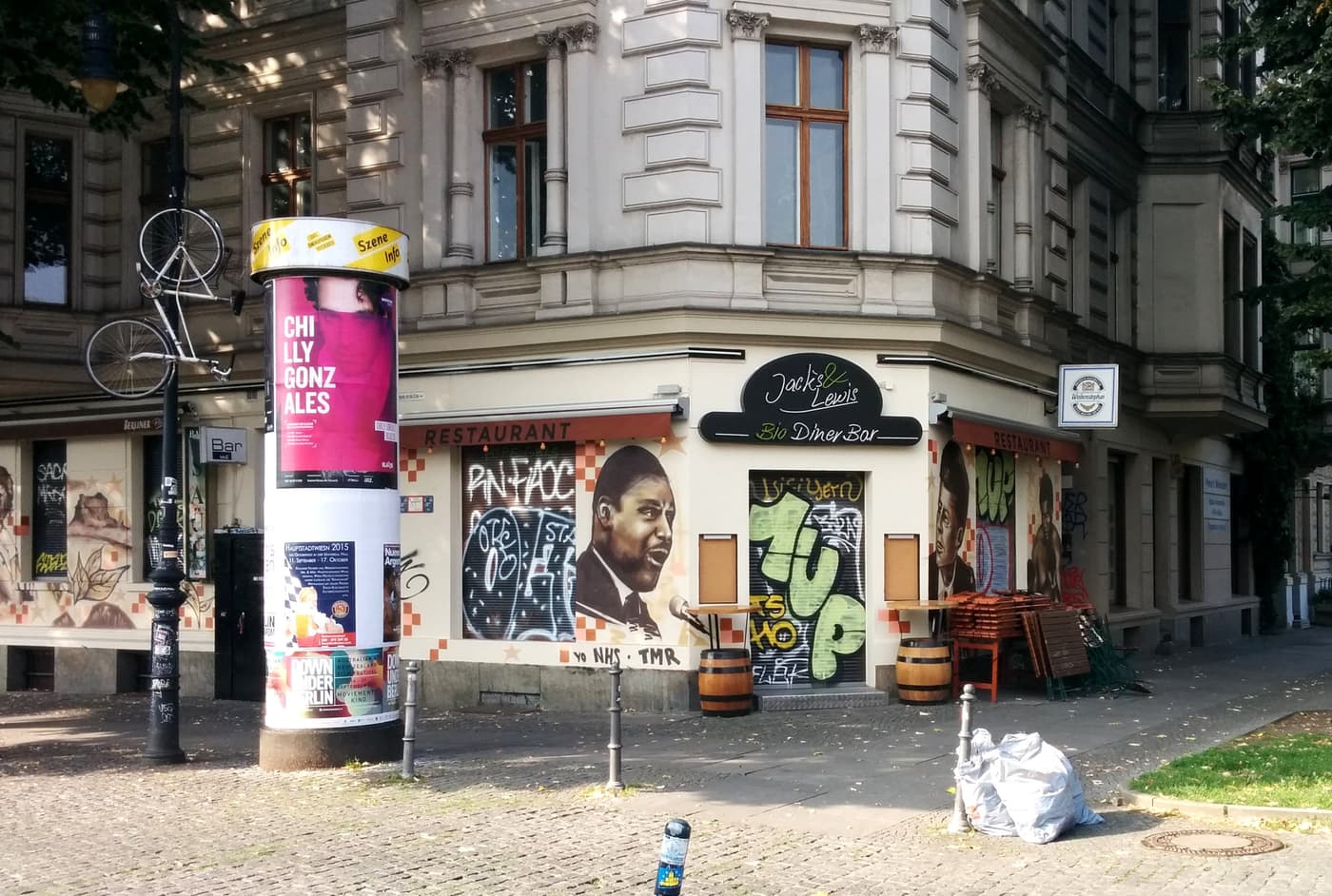
Die Bergmannstraße in Kreuzberg am Abend: Cafés, Bäume, Nachbarn, und alle reden.
- Wer sitzt am Tisch? Männer, Frauen, Freunde?
- Was trinken die Leute?
- Wo möchtest du sitzen?
Auch im Kiez · also in the neighbourhood
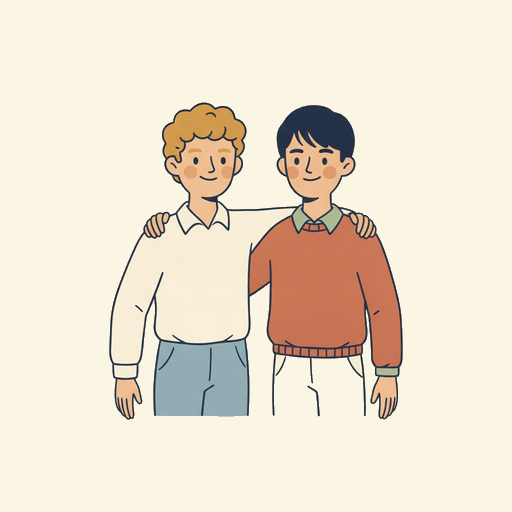 der Freund pl. -e friend (m)
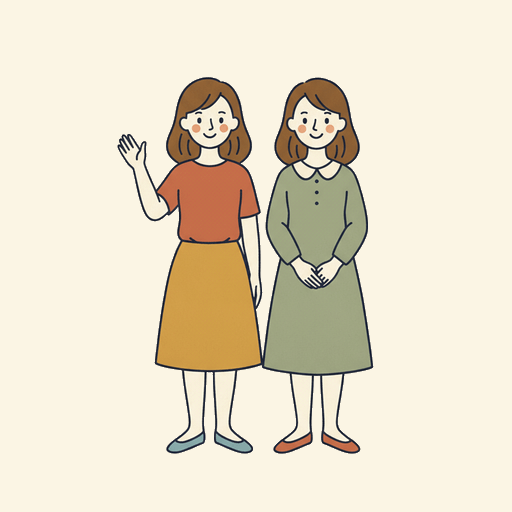 die Freundin pl. -nen friend (f)
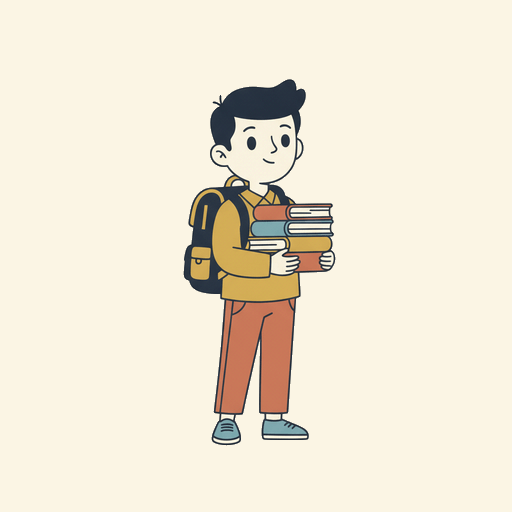 der Student pl. -en student (m)
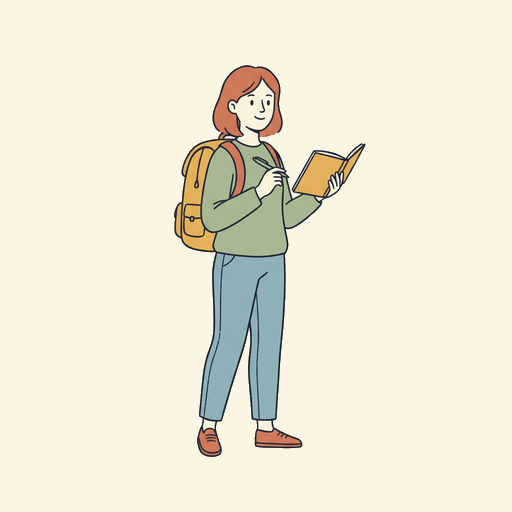 die Studentin pl. -nen student (f)
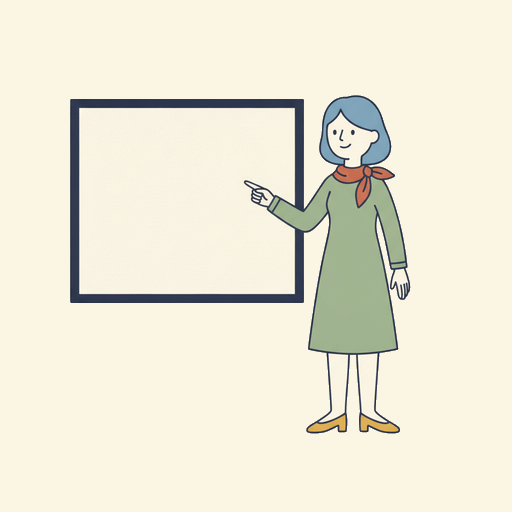 der Lehrer no plural teacher
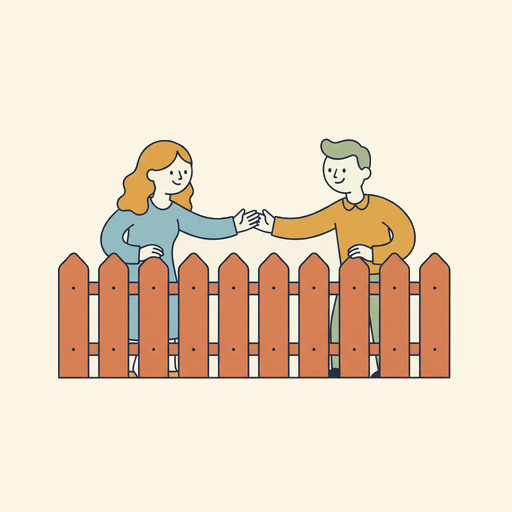 der Nachbar pl. -n neighbour
 die Familie pl. -n family
 der Name pl. -n name
 die Kneipe pl. -n pub
 der Späti pl. -s late-night shop
 der Döner no plural kebab
 die Wohnung pl. -en flat
 die Stadt die Städte city
 das Land die Länder country
 der Kaffee no plural coffee
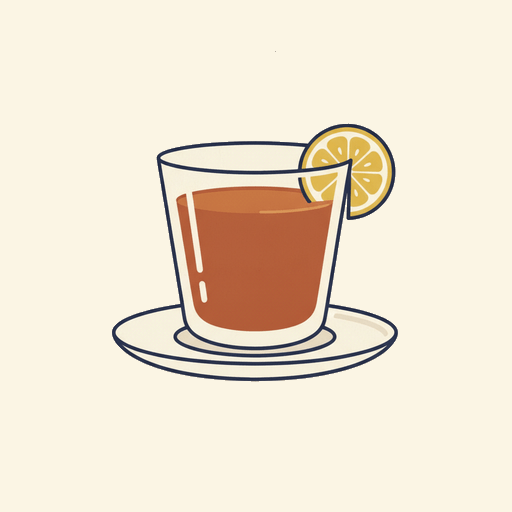 der Tee no plural tea
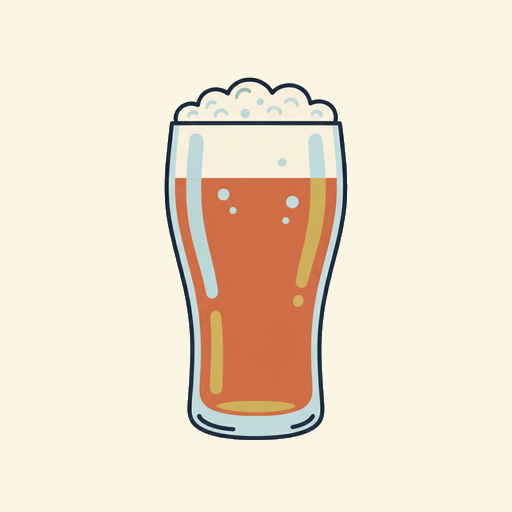 das Bier pl. -e beer
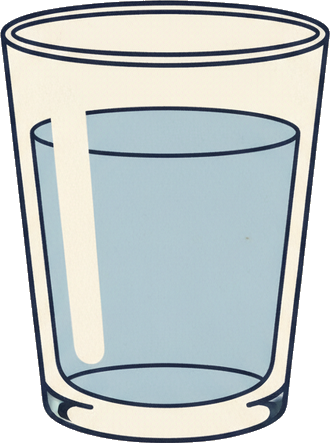 das Wasser no plural water
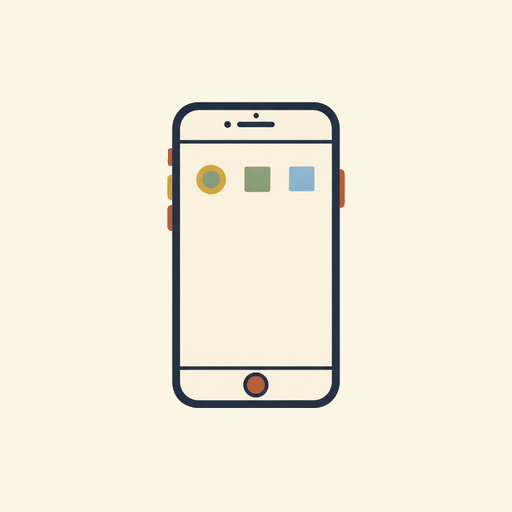 das Handy pl. -s mobile phone
 die Zeitung pl. -en newspaper
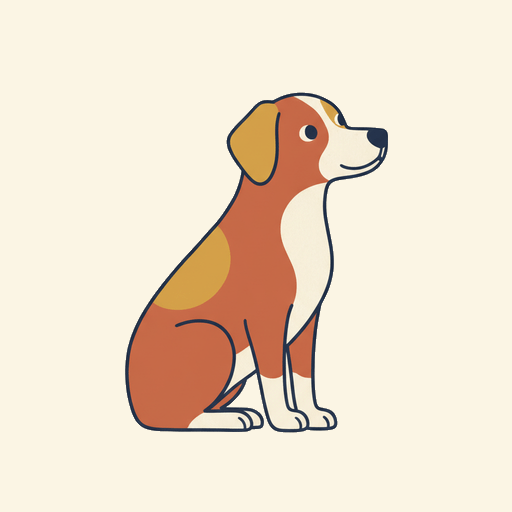 der Hund pl. -e dog
Wörter zuerst · words first
Lesen · reading
Maya und Lena
Maya has been in Berlin for three days. She is at a café table on the Bergmannstraße, and the woman at the next table says hello.
Lena Hallo! Ist der Stuhl frei?
Maya Ja, bitte. Hallo!
Lena Ich heiße Lena. Und du?
Maya Ich bin Maya. Ich komme aus Kanada.
Lena Aus Kanada! Und du wohnst in Berlin?
Maya Ja, in Mitte. Drei Tage. Mein Deutsch ist … klein.
Lena Dein Deutsch ist gut! Ich komme aus Österreich, aus Wien. Ich bin Studentin.
Maya Was studierst du?
Lena Musik. Und du? Bist du Studentin?
Maya Nein, ich bin Lehrerin. Englisch.
Kellner Guten Abend. Was möchten Sie?
Maya Einen Kaffee, bitte. – Lena, warum sagt er „Sie“?
Lena Er ist der Kellner. Du bist der Kunde. Das ist höflich. Wir sagen „du“.
English · Lena: Hi! Is the chair free? · Maya: Yes, please. Hi! · Lena: My name is Lena. And you? · Maya: I'm Maya. I come from Canada. · Lena: From Canada! And you live in Berlin? · Maya: Yes, in Mitte. Three days. My German is … small. · Lena: Your German is good! I come from Austria, from Vienna. I'm a student. · Maya: What do you study? · Lena: Music. And you? Are you a student? · Maya: No, I'm a teacher. English. · Waiter: Good evening. What would you like? · Maya: A coffee, please. – Lena, why does he say “Sie”? · Lena: He is the waiter. You are the customer. That's polite. We say “du”.
Richtig oder falsch?
Circle what the text says.
- Maya kommt aus Kanada/Österreich .
- Maya wohnt in Wien/Berlin .
- Lena ist Studentin/Lehrerin .
- Lena studiert Musik/Englisch .
- Der Kellner sagt du/Sie .
Wer sagt das?
Maya, Lena or the waiter? Write the name.
- „Ist der Stuhl frei?“
- „Ich bin Lehrerin.“
- „Was möchten Sie?“
- „Dein Deutsch ist gut!“
Schreib mit! · your turn
Copy the two sentences of the text you want to remember, then write one of your own in the same shape.
Grammatik · 1 of 2
Ich heiße, ich komme, ich wohne
The four sentences that introduce you, with du and with Sie
Introduce yourselfAsk a friend with du, a stranger with Sie. The answer is the same.
| in English | du | Sie | you answer |
|---|---|---|---|
| What’s your name? | Wie heißt du? | Wie heißen Sie? | Ich heiße Lena. |
| Where are you from? | Woher kommst du? | Woher kommen Sie? | Ich komme aus Spanien. |
| Where do you live? | Wo wohnst du? | Wo wohnen Sie? | Ich wohne in Berlin. |
| What do you speak? | Was sprichst du? | Was sprechen Sie? | Ich spreche Englisch. |
| How old are you? | Wie alt bist du? | Wie alt sind Sie? | Ich bin … Jahre alt. |
Who is who
- ich I
- du you (a friend)
- er · sie · es he · she · it
- wir we
- ihr you (friends)
- sie · Sie they · you (polite)
Talking about someone
- Das ist Paul.
- This is Paul.
- Er heißt Paul.
- His name is Paul.
- Er kommt aus England.
- He comes from England.
- Er wohnt in München.
- He lives in Munich.
- der Hund
- dog
du or Sie?Not sure? Say Sie — and wait for “Wir können du sagen”.
A friend, family, a child or another learner?
Mini-Check
Circle the right word.
- Wie heißt/Wie heißen Sie? – Ich heiße Max.
- Ich komme/kommst aus Kanada.
- Wo/Woher wohnst du? – In Berlin.
- Ich heiße/heißt Maya.
- Du wohnen/wohnst in Köln.
- Wie/Wo alt bist du?
Schreib mit! · your turn
Write three sentences of your own with the rule of this page. Use words from the word page.
Grammatik · 2 of 2
Fragen: wer, was, wo, woher
The question words, and the verb in second place
The question words
- wer who
- was what
- wo where
- woher where from
- wohin where to
- wann when
- wie how
- warum why
- wie viel how much
- wie alt how old
Word, verb, the restThe verb is always in second place.
Yes or no? Verb firstNo question word: the verb starts.
Hallo at every hour
- Hallo!
- Hi!
- Guten Morgen!
- Good morning!
- Guten Tag!
- Hello! (polite)
- Guten Abend!
- Good evening!
- Tschüss!
- Bye!
- Auf Wiedersehen!
- Goodbye! (polite)
- Wie geht’s?
- How are you?
- Gut, danke!
- Fine, thanks!
- Und dir? · Und Ihnen?
- And you?
Mini-Check
Circle the right word.
- Wer/Was ist das? – Das ist Lena.
- Wann/Wohin fährst du? – Nach Köln.
- Hast/Du hast du Zeit?
- Was/Wer machst du?
- Kommst/Kommt du aus Spanien?
- Woher/Wohin kommen Sie?
Schreib mit! · your turn
Write three sentences of your own with the rule of this page. Use words from the word page.
Lesen im Alltag · reading the real thing
Ein Klingelschild in Berlin: Wer wohnt hier?
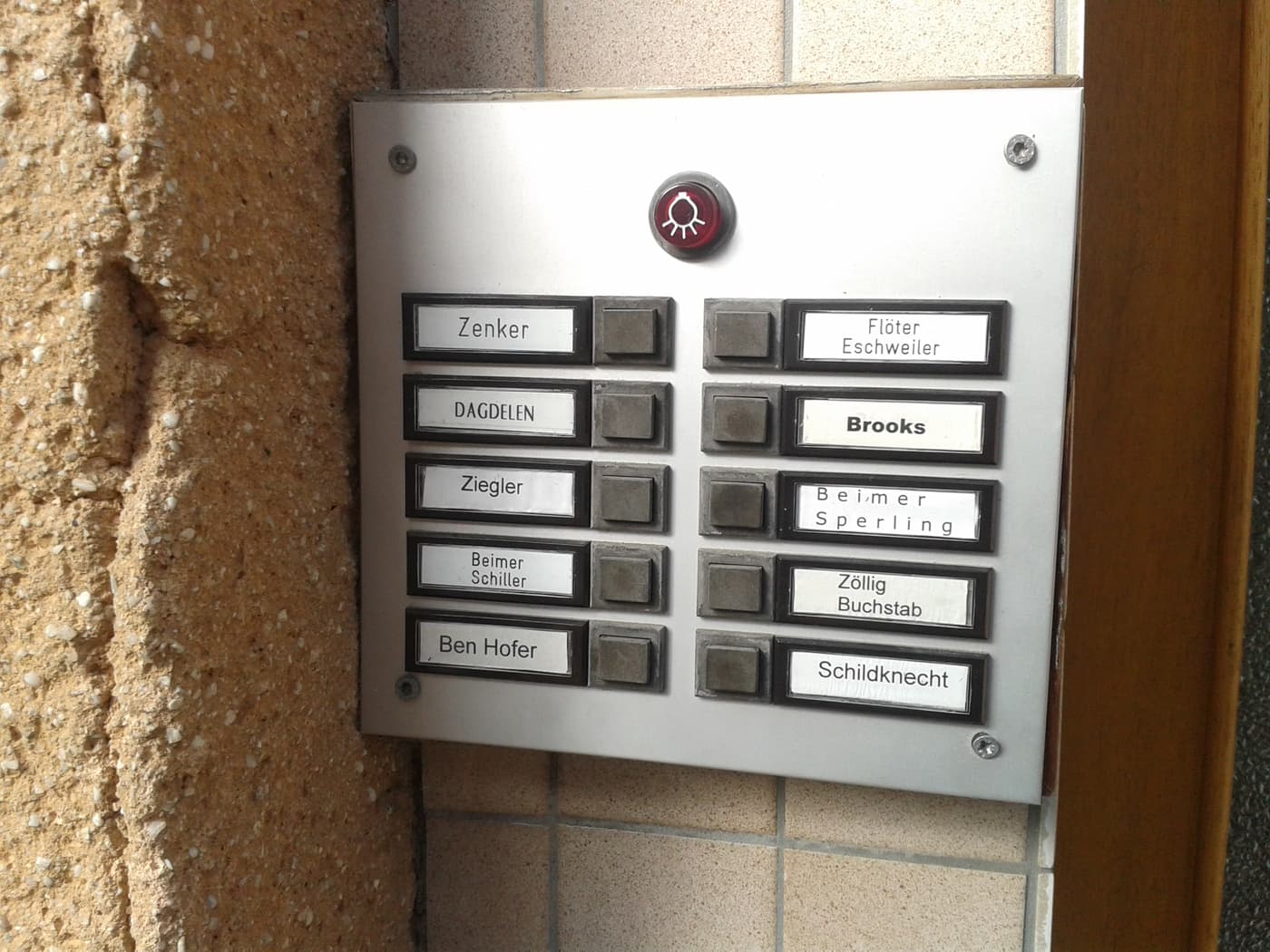
The name plate at the front door of a Berlin house. Every flat has a bell and a name; two names means two people share. Read the names and answer.
Lies das Schild
Find the answer on the name plate.
- Wie viele Klingeln hat das Haus?
- Wer wohnt mit Schiller?
- Welcher Name ist englisch?
- Der längste Name:
Wer ist das?
Circle the question that fits the answer.
- Wie heißen Sie?/Woher kommen Sie? – Ziegler.
- Wo wohnen Sie?/Wer sind Sie? – Hier, Lindenstraße 5.
- Wie geht’s?/Was ist das? – Gut, danke!
Dein Klingelschild
Write your own name as it would stand on the bell, and the name of one neighbour.
- Ich:
- Mein Nachbar / meine Nachbarin:
Schreib mit! · your turn
Write down every German word you can read on the photo, with its article if it is a noun.
Übungen · practise 1 of 2
Hallo! Das bin ich
du or Sie?
Who gets du, who gets Sie? Write du or Sie.
- a child
- a doctor
- your best friend
- a shop assistant
Question and answer
Draw a line from each question to its answer.
- Wie heißt du?
- Woher kommst du?
- Wo wohnst du?
- Was sprichst du?
- Wie geht’s?
- Ich wohne in Wien.
- Gut, danke!
- Ich heiße Paul.
- Ich spreche Deutsch und Englisch.
- Ich komme aus Österreich.
Max stellt sich vor
Listen to Max introducing himself and complete the sentences.
languagequiz.org/b/a1-10
- Er kommt aus .
- Er wohnt in .
- Er ist Jahre alt.
- Der Hund heißt .
Now say it politely
Rewrite each question with Sie.
- Wie heißt du?
- Woher kommst du?
- Wo wohnst du?
- Wie alt bist du?
Which question word?
Circle the right word.
- Wo/Woher kommst du? – Aus Spanien.
- Wer/Was ist das? – Das ist Paul.
- Wann/Wie heißt du?
- Wo/Wohin wohnst du? – In Wien.
- Was/Wer machst du heute?
- Wohin/Woher fährst du? – Nach Berlin.
Schreib mit! · your turn
Pick five words from this chapter and write one sentence with each.
Übungen · practise 2 of 2
Hallo! Das bin ich
Ask the question
Here is the answer. Write the question.
- Ich heiße Max.
- Ich komme aus England.
- Ich wohne in München.
- Ich fahre nach Berlin.
Verb first
Make a yes/no question.
- du / Zeit / haben
- ihr / Fußball / spielen
- Lena / Deutsch / sprechen
Das bin ich
Write about yourself. Then say it out loud, without looking.
- Ich heiße .
- Ich komme aus .
- Ich wohne in .
- Ich spreche .
Bilder-Check
Write each word with der, die or das. No peeking at the word page.
Schreib mit! · your turn
Write what you got wrong on these two pages, correctly, once each.
Hören, sprechen, können
Hallo! Das bin ich
Max introduces himself, and every line of this chapter is read aloud. Scan, listen twice, then do exercise 3 with your eyes closed.
languagequiz.org/b/a1-10Open the code and introduce yourself to the tutor: name, country, city, language. It asks the four questions back, with du and then with Sie. Three minutes.
languagequiz.org/b/a1-04The chapter's exercise with instant correction and the medal ladder.
languagequiz.org/b/a1-03Ich kann … · I can
- say hello and goodbye at any time of day
- introduce myself in four sentences
- ask wer, was, wo and woher, with du and with Sie
- read the names on a German doorbell
Done? Tick what you can, circle what you got wrong on the practice pages, and come back to those in a week. The answers are on page 124.
Meine Notizen · my notes
Bildwörterbuch · picture dictionary
Hallo! Das bin ich
Every pictured word of this chapter on one page. Cover the words, say them from the pictures; cover the pictures, draw them from the words.
 der Mann die Männer man
 die Frau pl. -en woman
- der Freund pl. -e friend (m)
- die Freundin pl. -nen friend (f)
- der Student pl. -en student (m)
- die Studentin pl. -nen student (f)
- der Lehrer no plural teacher
- der Nachbar pl. -n neighbour
- die Familie pl. -n family
- der Name pl. -n name
 das Café pl. -s café
- die Kneipe pl. -n pub
- der Späti pl. -s late-night shop
- der Döner no plural kebab
 das Haus die Häuser house
- die Wohnung pl. -en flat
 die Straße pl. -n street
 der Baum die Bäume tree
 der Tisch pl. -e table
 der Stuhl die Stühle chair
 das Fenster no plural window
- die Stadt die Städte city
- das Land die Länder country
- der Kaffee no plural coffee
- der Tee no plural tea
- das Bier pl. -e beer
- das Wasser no plural water
- das Handy pl. -s mobile phone
- die Zeitung pl. -en newspaper
- der Hund pl. -e dog
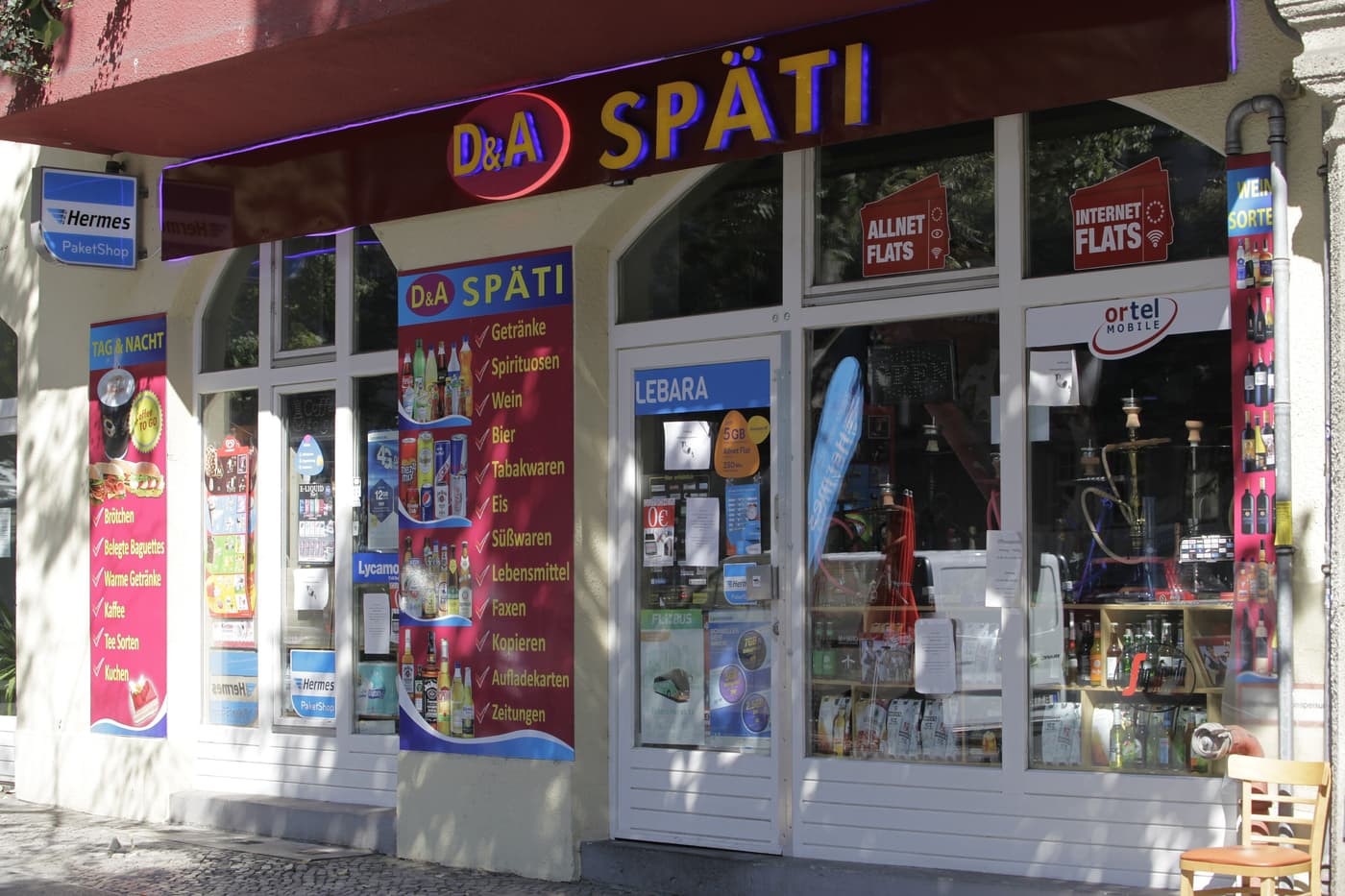
Zahlen und Preise
Ein Späti in Berlin, abends
Ein Späti am Kaiserdamm. Offen bis spät, manchmal bis morgens.
- Was siehst du im Fenster?
- Was kostet eine Flasche Wasser? Rate!
- Was kaufst du um Mitternacht?
Auch im Späti · also in the Späti
 der Kiosk pl. -e kiosk
 das Pfand no plural deposit (on a bottle)
- das Wasser no plural water
 die Cola pl. -s cola
 der Saft die Säfte juice
 die Chips crisps (plural)
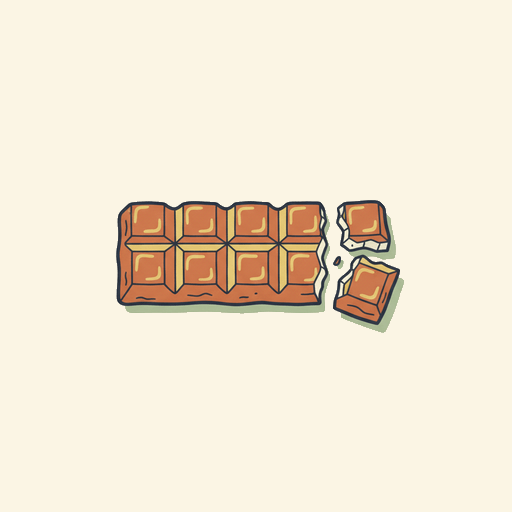 die Schokolade pl. -n chocolate
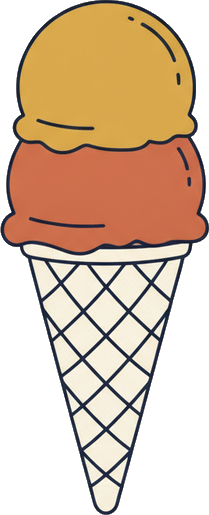 das Eis no plural ice cream
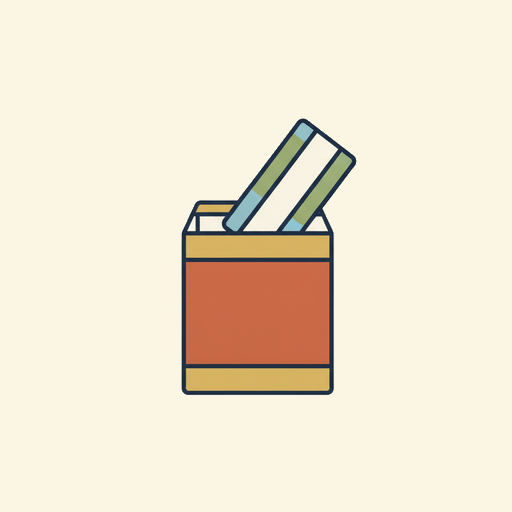 der Kaugummi pl. -s chewing gum
- die Zeitung pl. -en newspaper
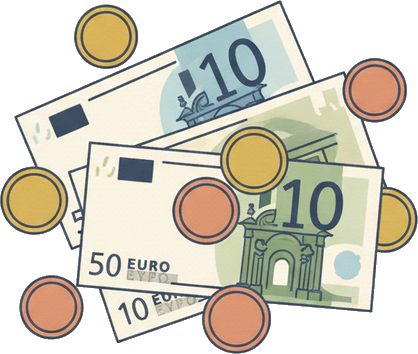 das Geld no plural money
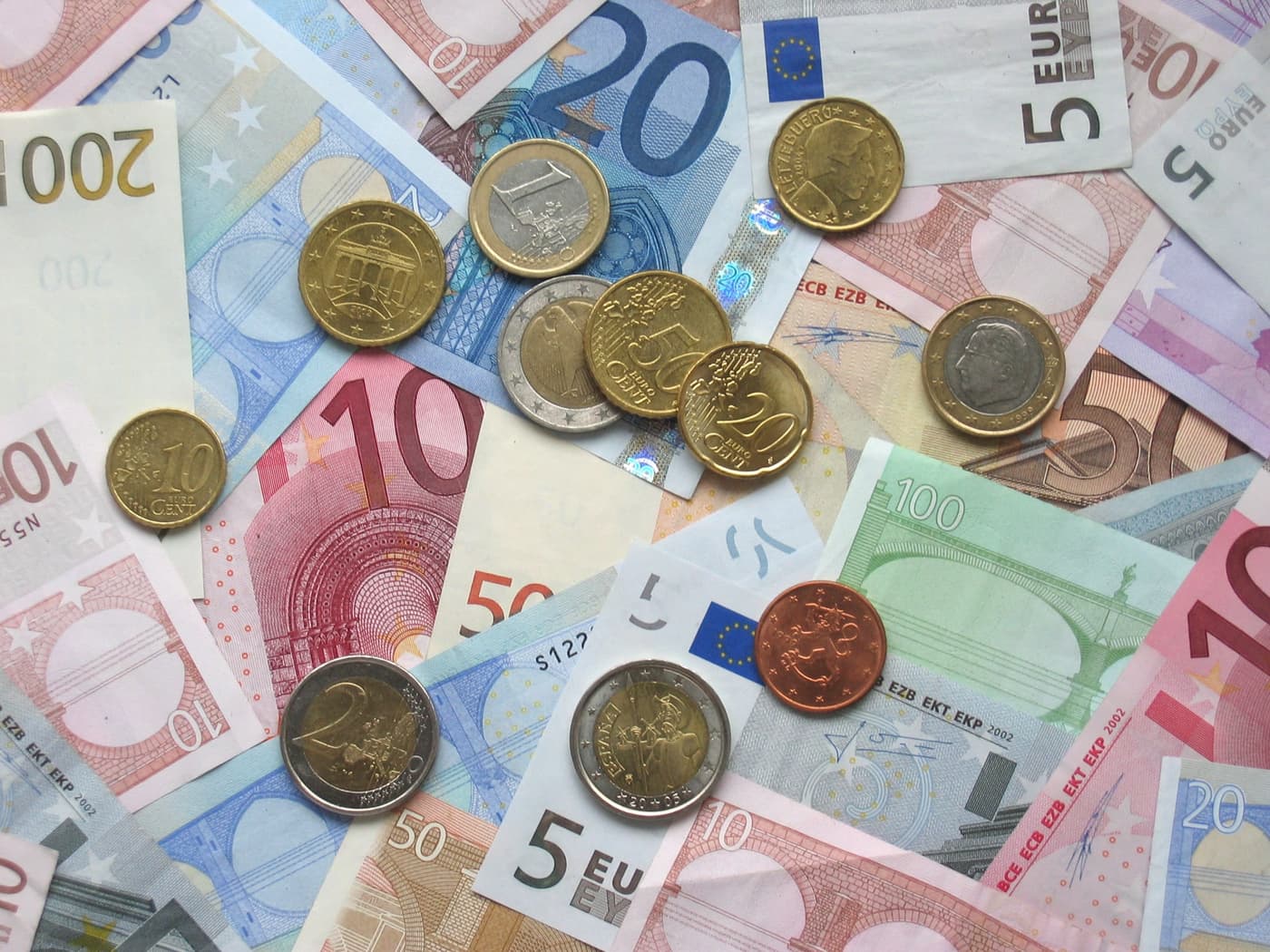
 der Euro no plural euro
 der Cent no plural cent
- die Münze pl. -n coin
 der Schein pl. -e banknote
 der Geldbeutel no plural wallet
 die Karte pl. -n card
 die Kasse pl. -n till
 der Preis pl. -e price
 die Zahl pl. -en number
 die Telefonnummer pl. -n phone number
 die Hausnummer pl. -n house number
 das Jahr pl. -e year
 der Geburtstag pl. -e birthday
Wörter zuerst · words first
Lesen · reading
Mitternacht im Späti
Midnight. Maya and Lena walk home and stop at the Späti on the corner. Maya has a five-euro note and an empty bottle.
Maya Guten Abend! Eine Flasche Wasser, bitte. Was kostet das?
Verkäufer Ein Euro fünfzig. Plus Pfand: fünfundzwanzig Cent.
Maya Pfand?
Lena Du bringst die Flasche zurück und bekommst fünfundzwanzig Cent.
Maya Ah! Hier ist eine Flasche. Von gestern.
Verkäufer Gut, dann kostet das Wasser ein Euro fünfzig. Sonst noch etwas?
Lena Chips, bitte. Und zwei Eis.
Verkäufer Chips zwei Euro zehn, Eis zweimal ein Euro zwanzig. Zusammen sechs Euro.
Maya Hier, fünf Euro. – Lena, hast du einen Euro?
Lena Ja. Und Maya: Wie ist deine Telefonnummer?
Maya Null eins sieben sechs, dreiundzwanzig, achtzehn, neunzig.
Lena Null eins sieben sechs … dreiundzwanzig … achtzehn … neunzig. Super. Ich schreibe dir morgen.
Verkäufer Ihr Wechselgeld. Gute Nacht!
English · Maya: Good evening! A bottle of water, please. What does it cost? · Seller: One euro fifty. Plus deposit: twenty-five cents. · Maya: Deposit? · Lena: You bring the bottle back and get twenty-five cents. · Maya: Ah! Here is a bottle. From yesterday. · Seller: Good, then the water costs one euro fifty. Anything else? · Lena: Crisps, please. And two ice creams. · Seller: Crisps two euros ten, ice cream twice one twenty. Six euros together. · Maya: Here, five euros. – Lena, do you have a euro? · Lena: Yes. And Maya: what's your phone number? · Maya: 0176 23 18 90. · Lena: 0176 … 23 … 18 … 90. Great. I'll text you tomorrow. · Seller: Your change. Good night!
Richtig oder falsch?
Circle what the text says.
- Das Wasser kostet 1,50 €/1,25 € .
- Das Pfand kostet 25 Cent/50 Cent .
- Lena möchte Chips und Eis/Bier und Chips .
- Zusammen kostet alles fünf Euro/sechs Euro .
- Mayas Nummer beginnt mit 0176/0167 .
Was kostet das?
Write the price in figures.
- eine Flasche Wasser
- das Pfand
- die Chips
- ein Eis
- alles zusammen
- Mayas Telefonnummer (in Ziffern)
Schreib mit! · your turn
Copy the two sentences of the text you want to remember, then write one of your own in the same shape.
Grammatik · 1 of 2
Zahlen 0–20
Thirteen to learn by heart, the rest is built
0–12: learn these by heartEverything else is built from these.
- 0 null
- 1 eins “ines”
- 2 zwei “tsvai”
- 3 drei “dry”
- 4 vier “feer”
- 5 fünf
- 6 sechs “zex”
- 7 sieben “zee-ben”
- 8 acht
- 9 neun “noyn”
- 10 zehn “tsayn”
- 11 elf
- 12 zwölf “tsvölf”
13–19: number + zehnTwo of them lose letters.
| dreizehn | = | dreizehn | 13 |
| vierzehn | = | vierzehn | 14 |
| fünfzehn | = | fünfzehn | 15 |
| sechszehn | = | sechzehn | 16 |
| siebenzehn | = | siebzehn | 17 |
| achtzehn | = | achtzehn | 18 |
| neunzehn | = | neunzehn | 19 |
| zwanzig | = | zwanzig | 20 |
Phone numbersDigit by digit, or in pairs. On the phone, zwei is often zwo, so it can’t be heard as drei.
- 0176
- null – eins – sieben – sechs
- 030 18 12
- null – drei – null – achtzehn – zwölf
Mini-Check
Circle the right word.
- sechzehn: 16/60
- siebzehn: 17/70
- ein Euro, ein Kind/Kinder
- zwölf: 12/20
- null, eins, zwei/zwo drei (counting)
- dreizehn: 13/30
Schreib mit! · your turn
Write three sentences of your own with the rule of this page. Use words from the word page.
Grammatik · 2 of 2
Zahlen bis 100 und Preise
The tens, the backwards numbers and a price out loud
The tens: number + zigThe same two trims as 16 and 17, and dreißig with ß.
- 20 zwanzig
- 30 dreißig
- 40 vierzig
- 50 fünfzig
- 60 sechzig
- 70 siebzig
- 80 achtzig
- 90 neunzig
- 100 hundert
21–99: say it backwards
Small number first, then und, then the ten, all as one word, like the old English “four-and-twenty”. When you listen, wait for the end: the second half is the big part.
- 21 einundzwanzigein, not eins
- 35 fünfunddreißig
- 99 neunundneunzig
PricesEuros, then cents. No word for the comma, and Euro never takes an -s.
- 2,50 €
- zwei Euro fünfzig
- 1,99 €
- ein Euro neunundneunzig
- 0,80 €
- achtzig Cent
Mini-Check
Circle the right word.
- 47: vierzigsieben/siebenundvierzig
- 2,50 €: zwei Euro fünfzig/zwei fünfzig Euro
- 1,20 €: eins Euro zwanzig/ein Euro zwanzig
- 90: neunzig/neunzehn
- 0,80 €: achtzig Cent/null Euro achtzig
- 66: sechsundsechzig/sechzigsechs
Schreib mit! · your turn
Write three sentences of your own with the rule of this page. Use words from the word page.
Lesen im Alltag · reading the real thing
Ein Spätkauf in Kreuzberg: Was gibt es hier?
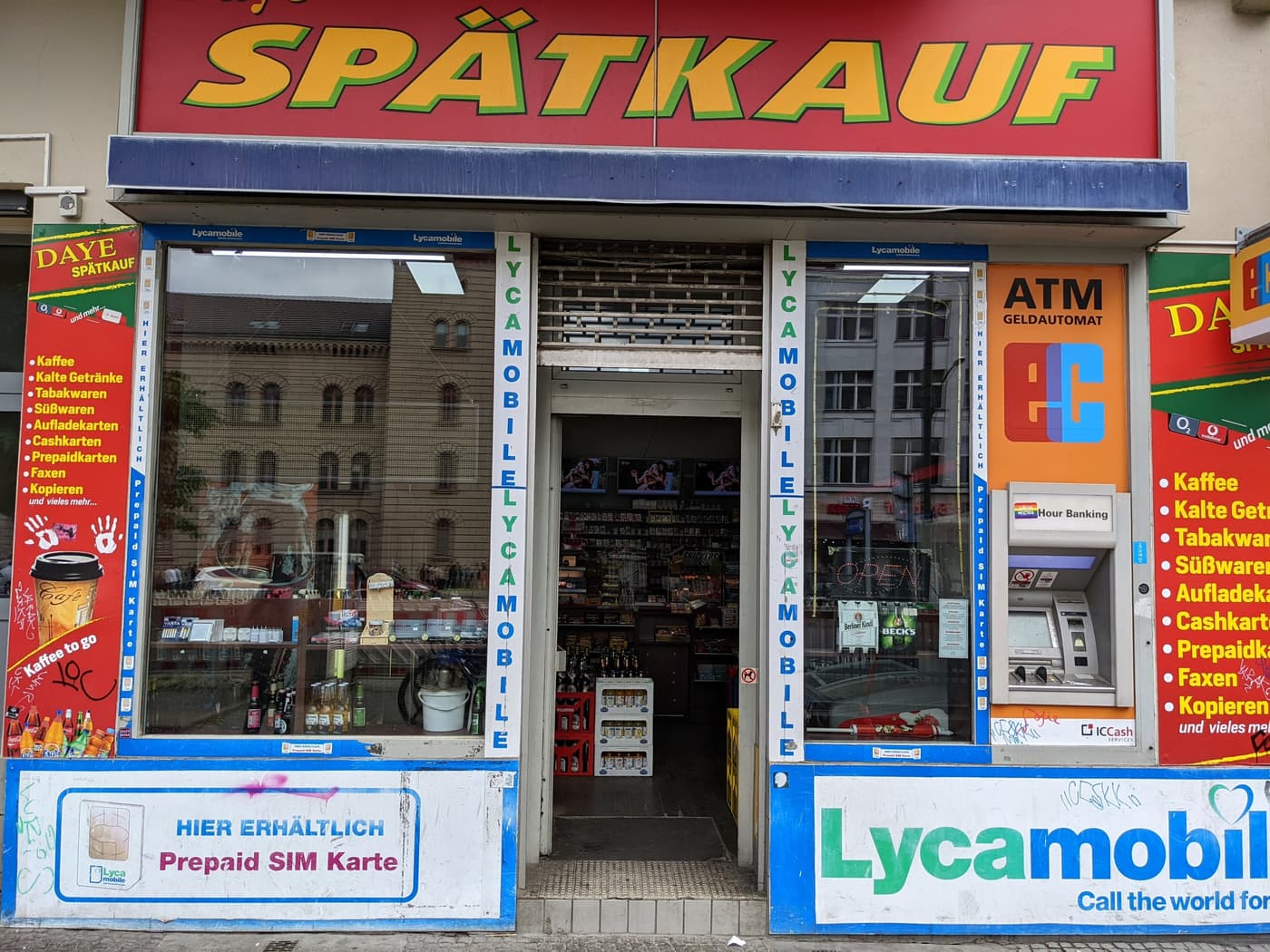
A real shop front. The list on the left says what the shop sells; the right side has a cash machine. Read the words you know and guess the rest from English.
Lies das Schild
Find it on the shop front and write the German.
- coffee
- cold drinks
- sweets
- cash machine
- coffee to take away
- to copy
Was gibt es, was gibt es nicht?
Circle ja if the shop sells it, nein if not.
- Kaffee: ja/nein
- Brot: ja/nein
- Tabak: ja/nein
- Obst: ja/nein
- Prepaidkarten: ja/nein
- Geld: ja/nein
Im Späti um Mitternacht
You have 5 euros. Write what you buy and what it costs. Prices: Wasser 1,50 · Cola 1,80 · Chips 2,10 · Schokolade 1,20 · Eis 1,20.
- Ich möchte .
- Das macht zusammen Euro.
Schreib mit! · your turn
Write down every German word you can read on the photo, with its article if it is a noun.
Übungen · practise 1 of 2
Zahlen und Preise
Write it in words
Say each number out loud, then write it.
- 3
- 7
- 11
- 12
- 15
- 16
- 17
- 20
Twins
Each little number has a big twin. Draw a line from each number to its word.
- 2
- 12
- 6
- 16
- 7
- 17
- sechzehn
- zwei
- siebzehn
- sechs
- zwölf
- sieben
Write it in words
Say each number out loud, then write it.
- 21
- 30
- 47
- 58
- 61
- 76
- 85
- 99
Sixes and sevens
These six are easy to mix up. Draw a line from each number to its word.
- 17
- 70
- 76
- 67
- 16
- 60
- sechzig
- siebenundsechzig
- siebzehn
- sechzehn
- siebzig
- sechsundsiebzig
Phone numbers
Read each number aloud digit by digit, then write it in words.
- 0 1 7 6
- 0 8 9 2
Schreib mit! · your turn
Pick five words from this chapter and write one sentence with each.
Übungen · practise 2 of 2
Zahlen und Preise
Rechnen auf Deutsch
Work it out and write the answer as a word.
- sieben plus acht =
- zwanzig minus elf =
- drei mal sechs =
- zwölf minus zwölf =
Prices
Write each price the way you would say it.
- 3,50 €
- 1,20 €
- 0,90 €
- 12,99 €
Your numbers
Fill in your own numbers, in words. Then read the sentences aloud.
- Meine Telefonnummer ist .
- Meine Glückszahl ist .
Bilder-Check
Write each word with der, die or das. No peeking at the word page.
Schreib mit! · your turn
Write what you got wrong on these two pages, correctly, once each.
Hören, sprechen, können
Zahlen und Preise
The market seller calls out the prices of the day, and every line of the Späti scene is read aloud. Listen twice, then write the prices without looking.
languagequiz.org/b/a1-22Open the code and say numbers to the tutor: it says a price or a phone number, you repeat it, then it asks for yours. Three minutes.
languagequiz.org/b/a1-25The chapter's exercise with instant correction and the medal ladder.
languagequiz.org/b/a1-02Ich kann … · I can
- count to a hundred
- say a price like 1,50 € and understand one
- give my phone number digit by digit
- read a shop front and know what it sells
Done? Tick what you can, circle what you got wrong on the practice pages, and come back to those in a week. The answers are on page 124.
Meine Notizen · my notes
Bildwörterbuch · picture dictionary
Zahlen und Preise
Every pictured word of this chapter on one page. Cover the words, say them from the pictures; cover the pictures, draw them from the words.
- der Späti pl. -s late-night shop
- der Kiosk pl. -e kiosk
 die Flasche pl. -n bottle
- das Pfand no plural deposit (on a bottle)
- das Wasser no plural water
- die Cola pl. -s cola
- der Saft die Säfte juice
- das Bier pl. -e beer
 der Wein pl. -e wine
- die Chips crisps (plural)
- die Schokolade pl. -n chocolate
- das Eis no plural ice cream
- der Kaugummi pl. -s chewing gum
- die Zeitung pl. -en newspaper
- das Geld no plural money
- der Euro no plural euro
- der Cent no plural cent
- die Münze pl. -n coin
- der Schein pl. -e banknote
- der Geldbeutel no plural wallet
- die Karte pl. -n card
- die Kasse pl. -n till
- der Preis pl. -e price
- die Zahl pl. -en number
- die Telefonnummer pl. -n phone number
- die Hausnummer pl. -n house number
- das Jahr pl. -e year
- der Geburtstag pl. -e birthday
Auf dem Markt
Viktualienmarkt, München
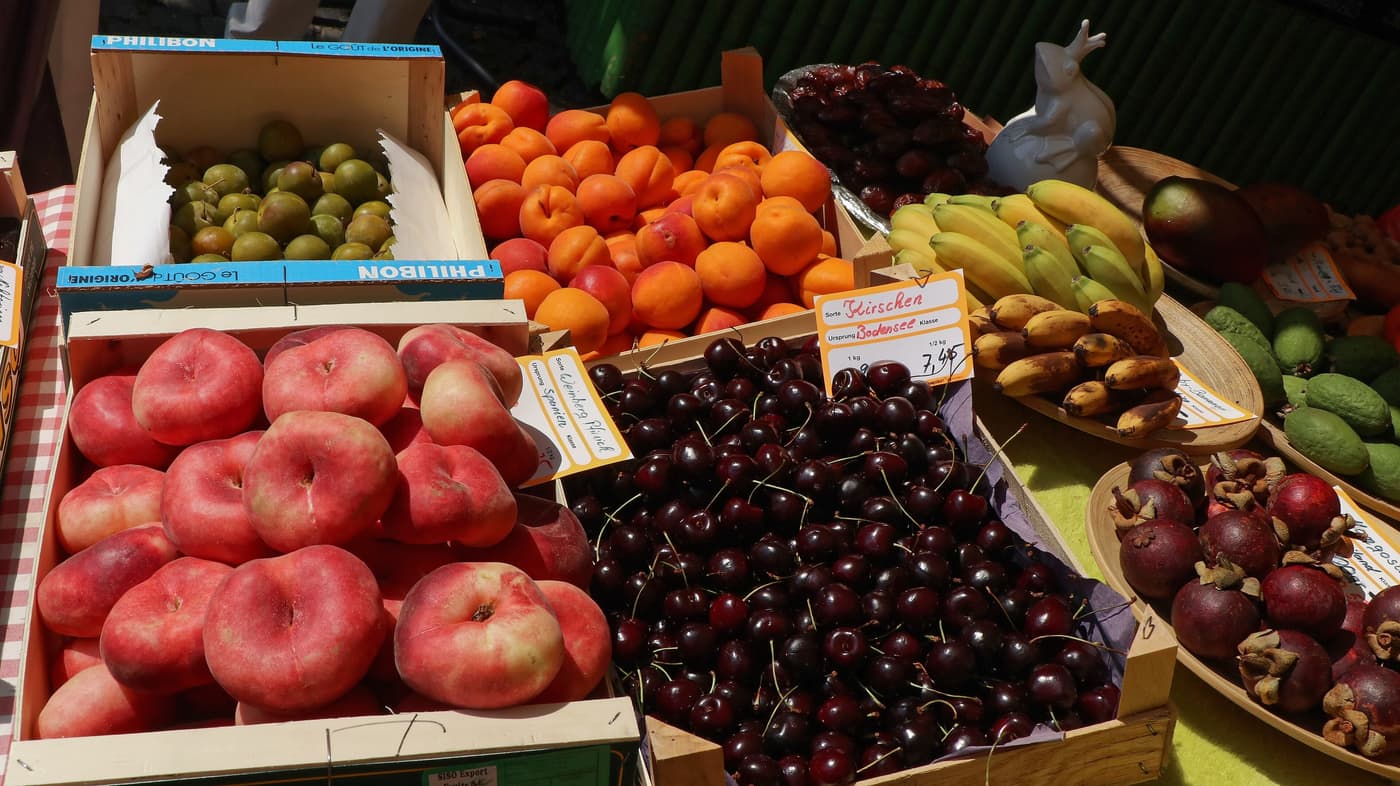
Der Viktualienmarkt in München: 140 Stände, sechs Tage die Woche, seit 1807.
- Was siehst du? Obst oder Gemüse?
- Welche Farben siehst du?
- Was möchtest du kaufen?
Auch auf dem Markt · also at the market
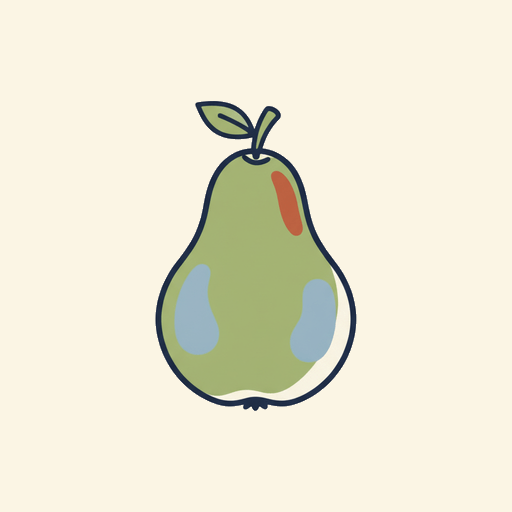 die Birne pl. -n pear
 die Erdbeere pl. -n strawberry
 die Kartoffel pl. -n potato
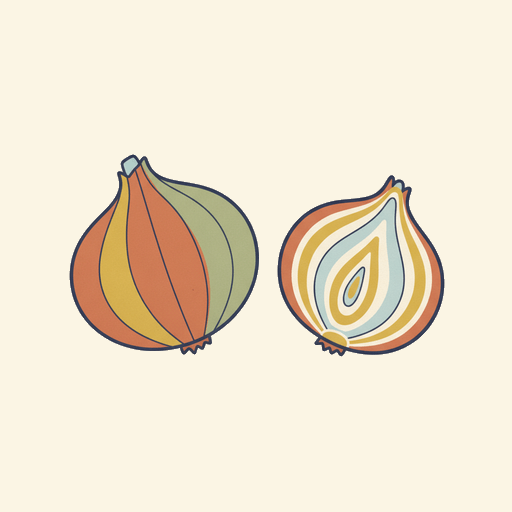 die Zwiebel pl. -n onion
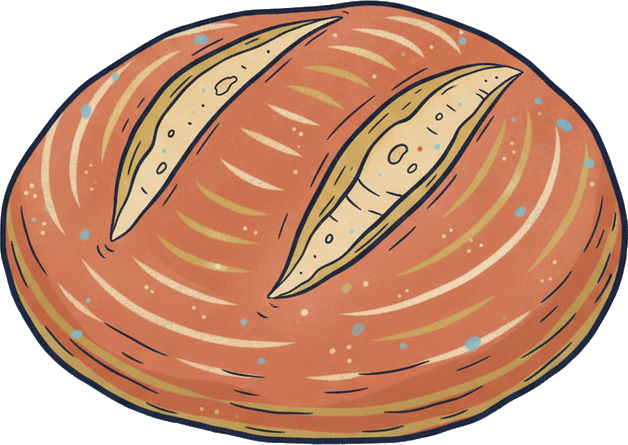 das Brot pl. -e bread
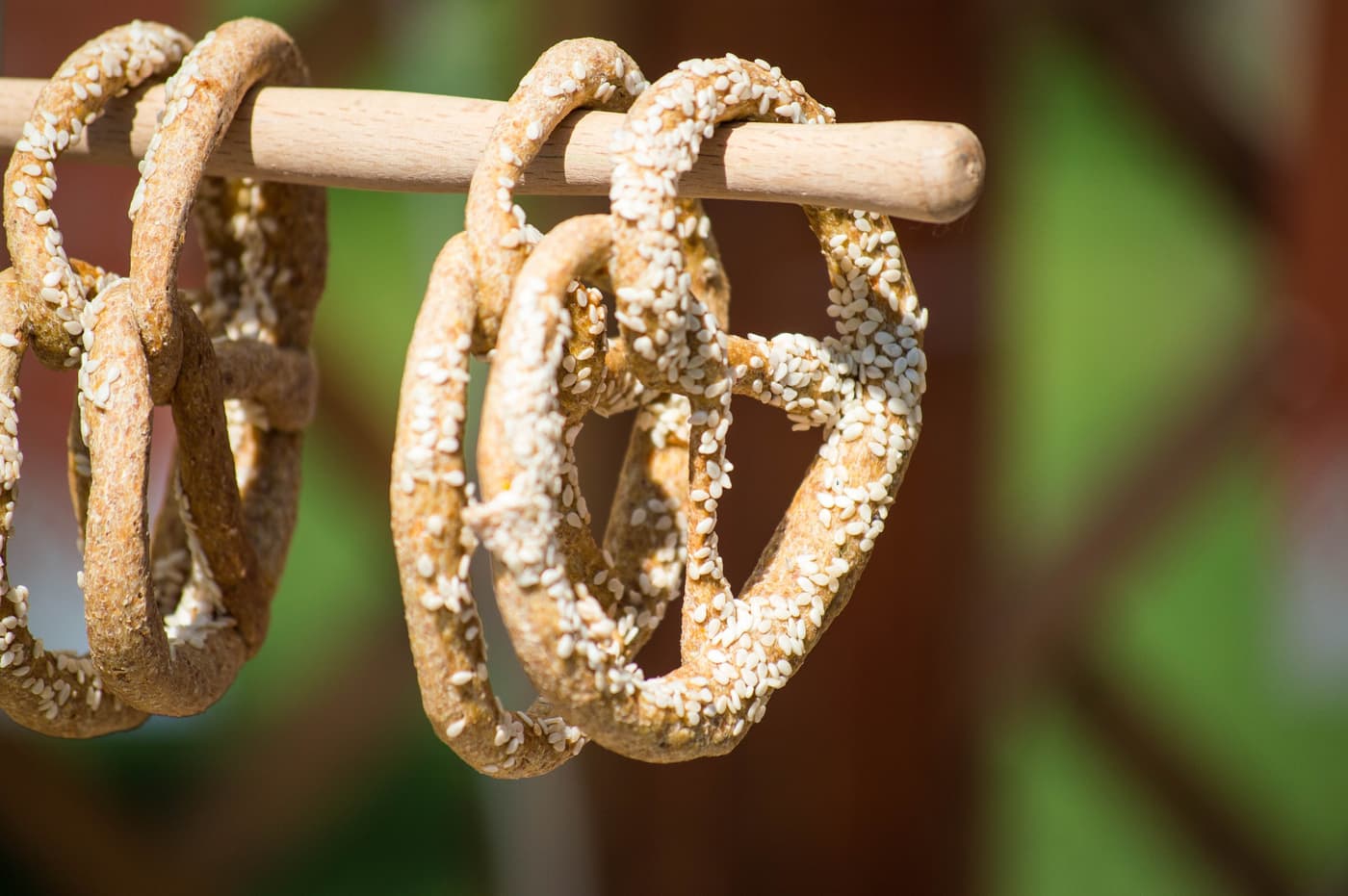
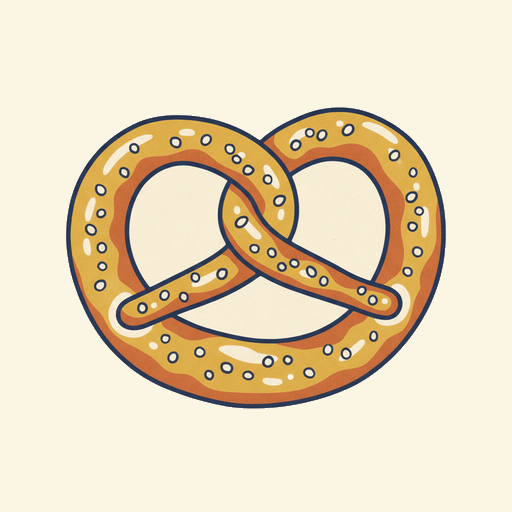 die Brezel pl. -n pretzel
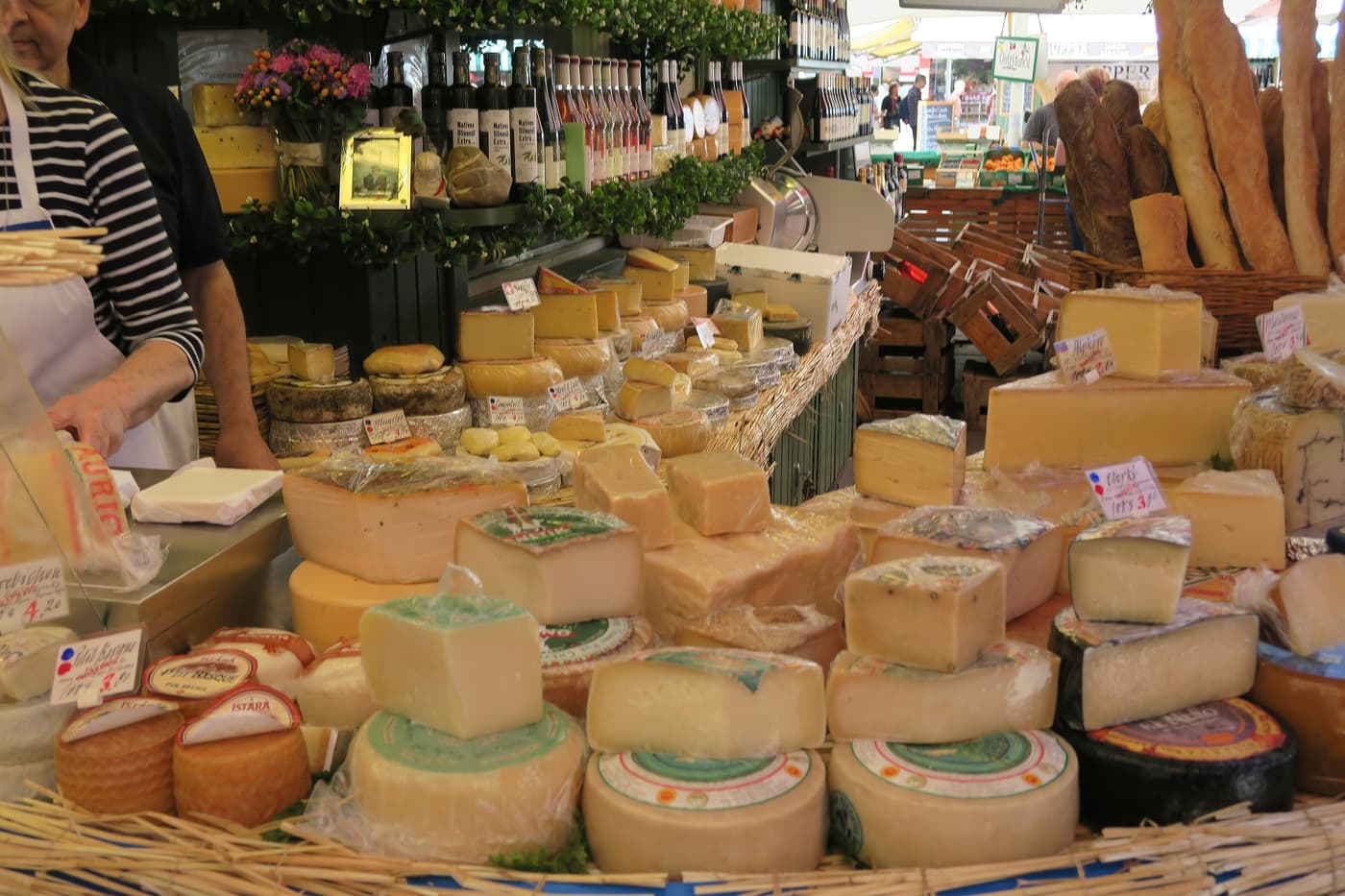
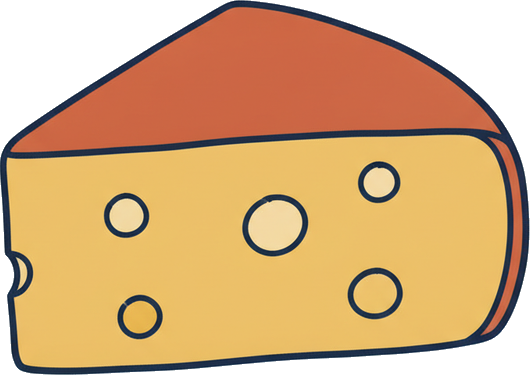 der Käse no plural cheese
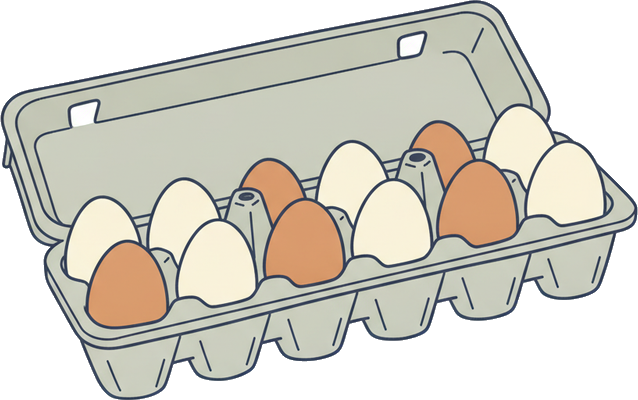 das Ei pl. -er egg
 die Wurst die Würste sausage
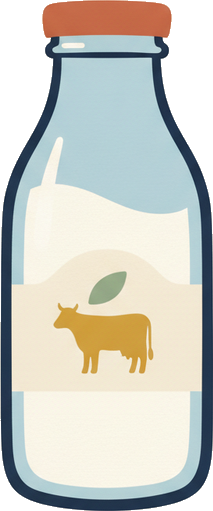 die Milch no plural milk
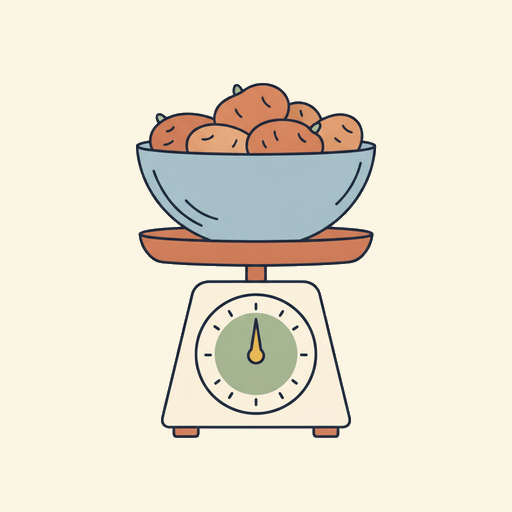
 die Waage pl. -n scales
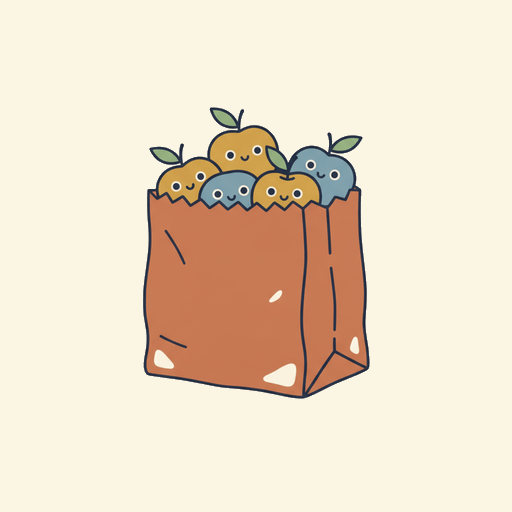 die Tüte pl. -n bag (paper)
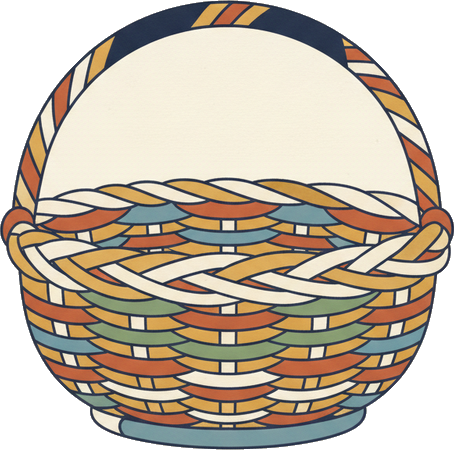 der Korb die Körbe basket
- das Geld no plural money
- der Euro · der Cent euro · cent
 das Kilo pl. -s kilo (1 000 g)
 das Pfund pl. -e pound (500 g)
- das Stück pl. -e piece, item
Wörter zuerst · words first
Lesen · reading
Maya kauft ein
Maya is in Munich for the weekend. She has twenty euros, a paper bag and a plan: breakfast from the market, not from the hotel.
Verkäuferin Guten Morgen! Was möchten Sie?
Maya Guten Morgen. Ich möchte Äpfel, bitte. Was kostet ein Kilo?
Verkäuferin Ein Kilo kostet zwei Euro neunzig. Die Äpfel sind frisch, neue Ernte!
Maya Gut, ein Kilo, bitte. Und ein Pfund Kirschen.
Verkäuferin Die Kirschen sind teuer heute: ein Pfund kostet drei Euro siebzig.
Maya Hm. Dann nur zehn Kirschen.
Verkäuferin Zehn Kirschen? Das ist ein Euro, so. Möchten Sie auch Brot?
Maya Nein, danke. Eine Brezel, bitte. Was kostet das zusammen?
Verkäuferin Zwei neunzig, ein Euro, ein Euro zehn: fünf Euro. Haben Sie es klein?
Maya Ja, hier: fünf Euro. Danke, tschüss!
Verkäuferin Danke, schönen Tag! Und die Tüte? Die Tüte kostet zehn Cent.
Maya Oh. Zehn Cent für die Tüte. Hier.
English · Seller: Good morning! What would you like? · Maya: Good morning. I'd like apples, please. What does a kilo cost? · Seller: A kilo costs two euros ninety. The apples are fresh, new harvest! · Maya: Good, one kilo, please. And a pound of cherries. · Seller: The cherries are expensive today: a pound costs three euros seventy. · Maya: Hm. Then just ten cherries. · Seller: Ten cherries? That's one euro, there. Would you like bread too? · Maya: No thanks. One pretzel, please. What does that come to? · Seller: Two ninety, one euro, one euro ten: five euros. Do you have it in small change? · Maya: Yes, here: five euros. Thanks, bye! · Seller: Thanks, have a nice day! And the bag? The bag costs ten cents. · Maya: Oh. Ten cents for the bag. Here.
Richtig oder falsch?
Circle what the text says.
- Maya möchte Äpfel/Bananen .
- Ein Kilo Äpfel kostet 2,90 €/3,70 € .
- Maya kauft ein Pfund/zehn Kirschen.
- Maya möchte Brot/eine Brezel .
- Die Tüte kostet zehn Cent/ein Euro .
Was kostet das?
Write the price in figures, as on a sign.
- ein Kilo Äpfel
- ein Pfund Kirschen
- zehn Kirschen
- eine Brezel
- alles zusammen, mit Tüte
- Mayas Rest von 20 Euro
Schreib mit! · your turn
Copy the two sentences of the text you want to remember, then write one of your own in the same shape.
Grammatik · 1 of 2
Preise und Mengen
Saying a price, saying how much
A price: euros, then centsNo word for the comma. Euro and Cent never take an -s.
- 2,90 €
- zwei Euro neunzig
- 1,10 €
- ein Euro zehn
- 0,10 €
- zehn Cent
- 7,45 €
- sieben Euro fünfundvierzig
- 12,00 €
- zwölf Euro
Hundreds: number + hundertRead from the left for hundreds, then flip the last two as always.
| zweihundert | = | zweihundert | 200 |
| dreihundertfünfzig | = | dreihundertfünfzig | 350 |
| tausendzweihundert | = | tausendzweihundert | 1.200 |
How much: Kilo, Pfund, Gramm, StückAfter a measure the noun has no article and no von: ein Kilo Äpfel, not ein Kilo von Äpfeln.
| you say | you get | typical for |
|---|---|---|
| ein Kilo Äpfel | 1 000 g | fruit, potatoes |
| ein Pfund Kirschen | 500 g | fruit, mince |
| hundert Gramm Käse | 100 g | cheese, ham |
| zehn Stück | 10 items | eggs, rolls, clementines |
| ein Stück Käse | one piece | cheese, cake |
Am Stand sagt man · what you hear at the stall
- Was kostet ein Kilo?
- What does a kilo cost?
- Ein Kilo, bitte.
- One kilo, please.
- Das macht vier Euro zwanzig.
- That comes to 4,20 €.
- Sonst noch etwas?
- Anything else?
- Das ist alles, danke.
- That's all, thanks.
- Haben Sie es klein?
- Do you have the exact money?
Mini-Check
Circle the right word.
- ein Kilo Äpfel/von Äpfeln
- 7,45 €: sieben Euro fünfundvierzig/sieben fünfundvierzig Euro
- 1.200 € ist zwölfhundert Euro/ein Euro zwanzig
- ein Pfund Kirschen/Kirsche
- hundert Gramm Käse/Käses
- 250 €: zweihundertfünfzig/zweihundertfünfzig Euro Euro
Schreib mit! · your turn
Write three sentences of your own with the rule of this page. Use words from the word page.
Grammatik · 2 of 2
Ich möchte … und der Plural
Asking politely, and more than one of something
möchte — the polite “would like”ich and er share one form. Ich will is correct but blunt; at a stall you say ich möchte.
| who | möchte | |
|---|---|---|
| ich | möchte | Ich möchte Äpfel. |
| du | möchtest | Möchtest du eine Brezel? |
| er · sie · es | möchte | Sie möchte zehn Kirschen. |
| wir | möchten | Wir möchten bezahlen. |
| ihr | möchtet | Möchtet ihr Käse? |
| sie · Sie | möchten | Was möchten Sie? |
Plural at the marketEvery plural takes die. Most market words are die-words ending in -e, and they take -n.
| one | many | the ending |
|---|---|---|
| der Apfel | die Äpfel | Umlaut, nothing added |
| die Tomate | die Tomaten | -n |
| die Kartoffel | die Kartoffeln | -n |
| das Ei | die Eier | -er |
| das Brot | die Brote | -e |
| die Wurst | die Würste | Umlaut + -e |
Wie viel? Wie viele? · how much, how many
- Wie viel kostet das?
- How much does that cost? (money, amounts)
- Wie viele Eier möchten Sie?
- How many eggs would you like? (things you count)
- ein bisschen Käse
- a little cheese
- ein paar Kirschen
- a few cherries
Mini-Check
Circle the right word.
- Ich möchte/möchten Tomaten.
- Was kostet/kosten die Kirschen?
- drei Ei/Eier
- Möchtest/Möchten du Brot?
- Was kostet/kosten das zusammen?
- zehn Stück/Stücke Eier
Schreib mit! · your turn
Write three sentences of your own with the rule of this page. Use words from the word page.
Lesen im Alltag · reading the real thing
Ein Obststand auf dem Wochenmarkt in Münster. Die Schilder sind mit der Hand geschrieben.
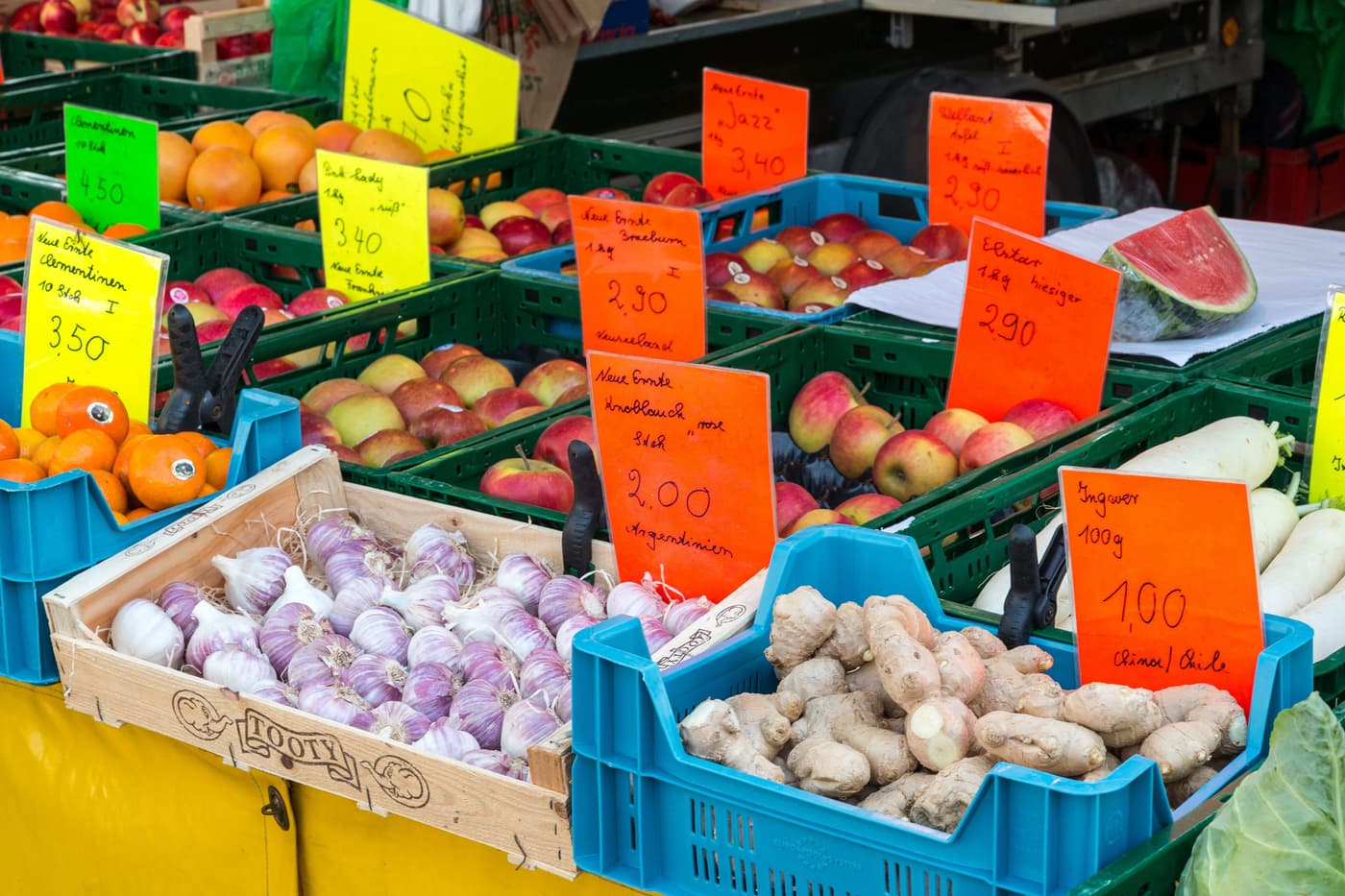
Real price signs, as the seller wrote them. Look for the fruit, the amount and the price. Neue Ernte means “new harvest”.
Lies die Schilder
Find each price on the signs and write it.
- 1 kg Äpfel „Elstar“ (hiesiger): €
- 1 kg Äpfel „Pink Lady“ (süß): €
- 10 Stück Clementinen: €
- 100 g Ingwer: €
- 1 Stück Knoblauch: €
Woher kommt das?
The small word under the price is the country. Circle it.
- Die Äpfel „Braeburn“ kommen aus Neuseeland/Argentinien .
- Der Knoblauch kommt aus China/Argentinien .
- Der Ingwer kommt aus China oder Chile/Spanien .
Du hast 10 Euro
Buy two things from the signs. Write what you buy and what it costs together.
- Ich möchte .
- Das kostet zusammen Euro.
Schreib mit! · your turn
Write down every German word you can read on the photo, with its article if it is a noun.
Übungen · practise 1 of 2
Auf dem Markt
Preise
Write each price the way you would say it.
- 3,50 €
- 1,20 €
- 0,90 €
- 12,99 €
- 250 €
- 1.200 €
möchte
Write the right form of möchte.
- Ich ein Kilo Tomaten.
- du eine Brezel?
- Was Sie?
- Wir bezahlen, bitte.
- Lena zehn Eier.
Einer oder viele?
Circle the plural.
- ein Kilo Apfel/Äpfel
- zehn Ei/Eier
- zwei Brote/Brot
- drei Tomaten/Tomate
- ein Pfund Kirschen/Kirsche
- vier Würste/Wurst
Auf dem Markt
Listen to the market seller and write each price on its tag. No phone? Ask someone to read you the prices from the key.
languagequiz.org/b/a1-22
- € ein Stück Käse
- € ein Brot
- € ein Kilo Äpfel
- € die Kartoffeln
- € zehn Eier
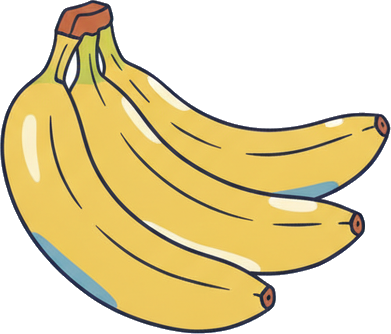 € die Bananen
Am Stand
Put the conversation in order: write 1 to 6.
- 1
- 2
- 3
- 4
- 5
- 6
- Das macht vier Euro zwanzig.
- Guten Tag! Was möchten Sie?
- Ja, ein Pfund, bitte. Was kostet das zusammen?
- Ich möchte ein Kilo Kartoffeln, bitte.
- Hier, bitte. Danke, tschüss!
- Gern. Möchten Sie auch Tomaten?
Schreib mit! · your turn
Pick five words from this chapter and write one sentence with each.
Übungen · practise 2 of 2
Auf dem Markt
Deine Einkaufsliste
Write your shopping list for Saturday: four things, with amounts.
- Ich möchte ,
- ,
- und
- .
Finde den Fehler
One word is wrong in each sentence. Write the sentence correctly.
- Ich möchte ein Kilo Apfel.
- Das kostet zwei Euros fünfzig.
- Was kostet die Tomaten?
Große Zahlen
Write the number in words.
- 120
- 350
- 999
- 1.000
- 2.500
- 10.000
Sag es auf Deutsch
Write it in German.
- I would like a kilo of tomatoes, please.
- What does the cheese cost?
- That comes to three euros ten.
Bilder-Check
Write each word with der, die or das. No peeking at the word page.
Schreib mit! · your turn
Write what you got wrong on these two pages, correctly, once each.
Hören, sprechen, können
Auf dem Markt
Every recording of this chapter, in the seller's voice. Scan, then do the Listen exercise again with your eyes closed.
languagequiz.org/b/a1-22Open the code and read the prices aloud to the tutor: it says a price, you say it back, then it asks for one of its own. Three minutes.
languagequiz.org/b/a1-25The chapter's exercise with instant correction and the medal ladder.
languagequiz.org/b/a1-34Ich kann … · I can
- ask what something costs and understand the answer
- say a price like 2,90 € or 1.200 € aloud
- order with ich möchte and an amount: ein Kilo, ein Pfund, zehn Stück
- read a handwritten price sign at a market
Done? Tick what you can, circle what you got wrong on the practice pages, and come back to those in a week. The answers are on page 124.
Meine Notizen · my notes
Bildwörterbuch · picture dictionary
Auf dem Markt
Every pictured word of this chapter on one page. Cover the words, say them from the pictures; cover the pictures, draw them from the words.
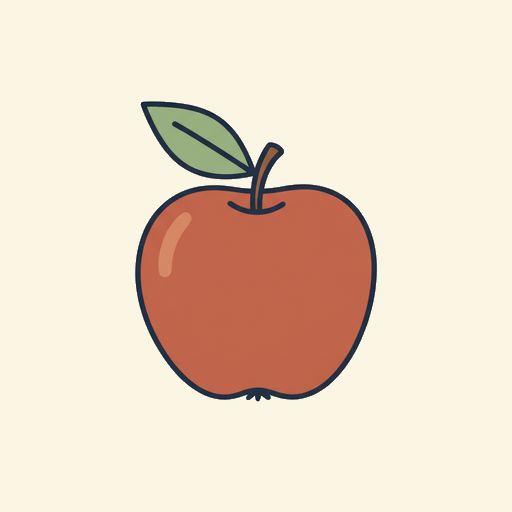 der Apfel die Äpfel apple
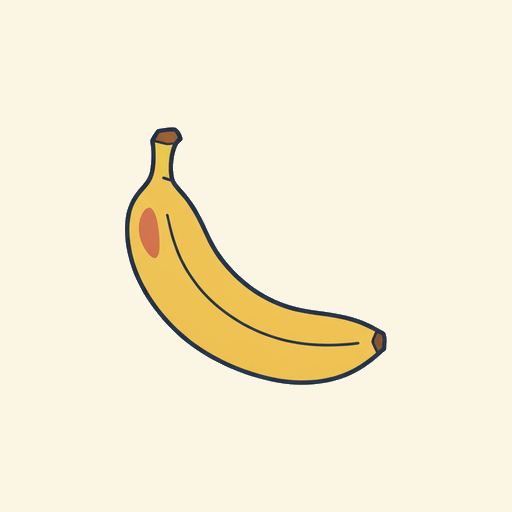 die Banane pl. -n banana
- die Birne pl. -n pear
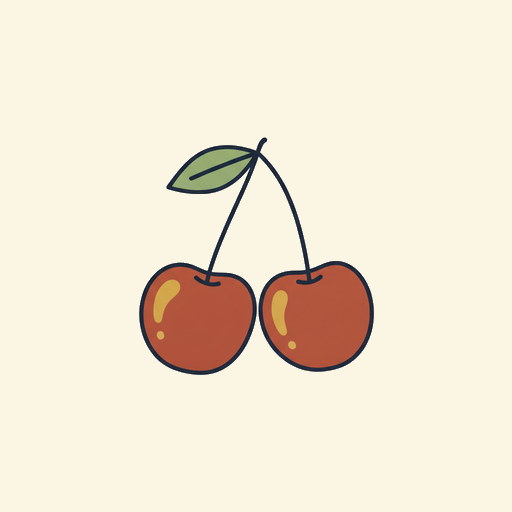 die Kirsche pl. -n cherry
- die Erdbeere pl. -n strawberry
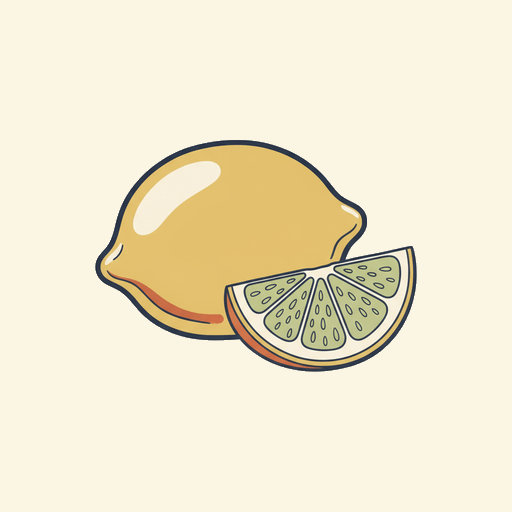 die Zitrone pl. -n lemon
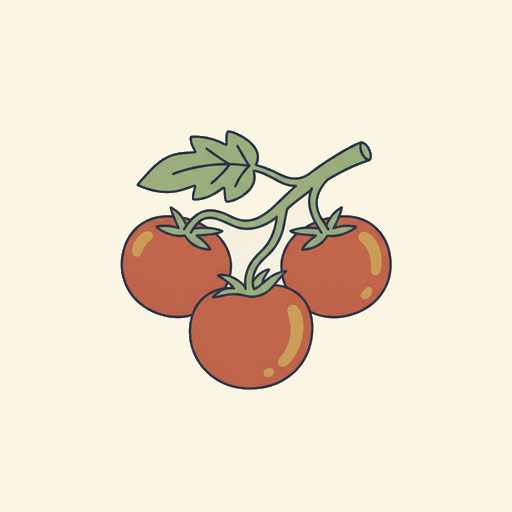 die Tomate pl. -n tomato
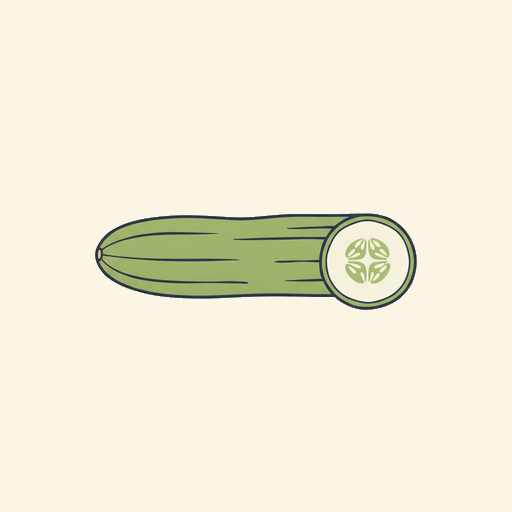 die Gurke pl. -n cucumber
- die Kartoffel pl. -n potato
- die Zwiebel pl. -n onion
 die Karotte pl. -n carrot
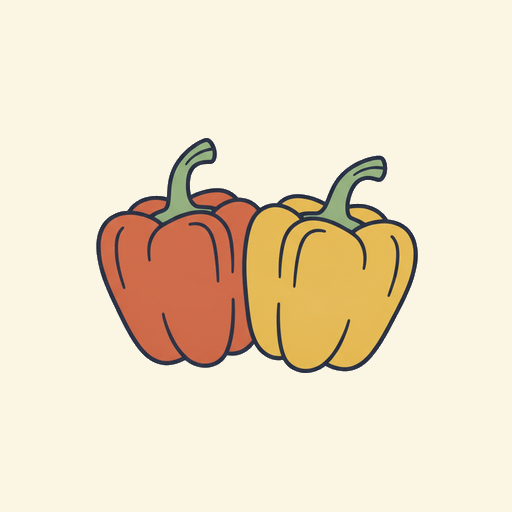 die Paprika pl. -s pepper
- das Brot pl. -e bread
- die Brezel pl. -n pretzel
- der Käse no plural cheese
- das Ei pl. -er egg
- die Wurst die Würste sausage
- die Milch no plural milk
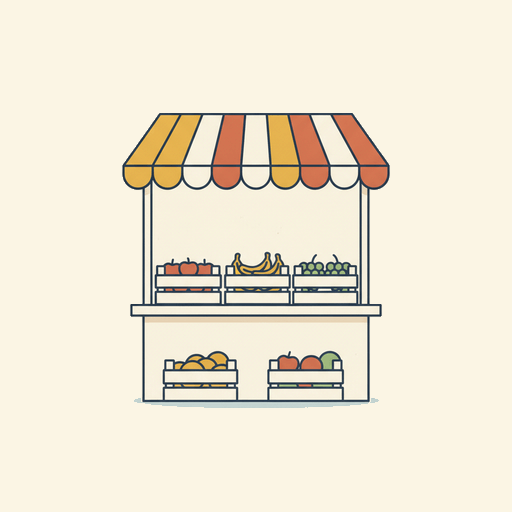 der Stand die Stände stall
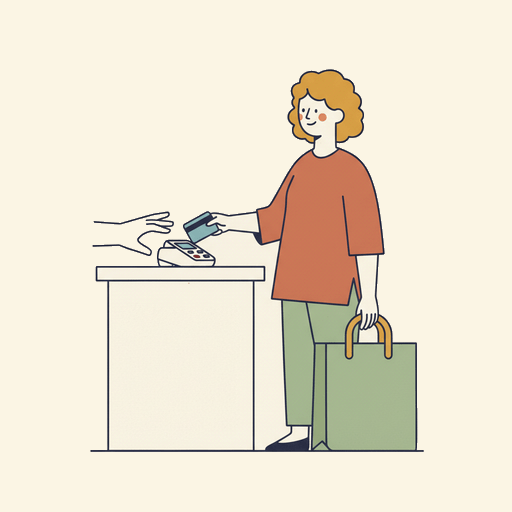 der Kunde pl. -n customer
- die Waage pl. -n scales
- die Tüte pl. -n bag (paper)
- der Korb die Körbe basket
- der Preis pl. -e price
- das Geld no plural money
- der Euro · der Cent euro · cent
- das Kilo pl. -s kilo (1 000 g)
- das Pfund pl. -e pound (500 g)
- das Stück pl. -e piece, item
Meine Wohnung
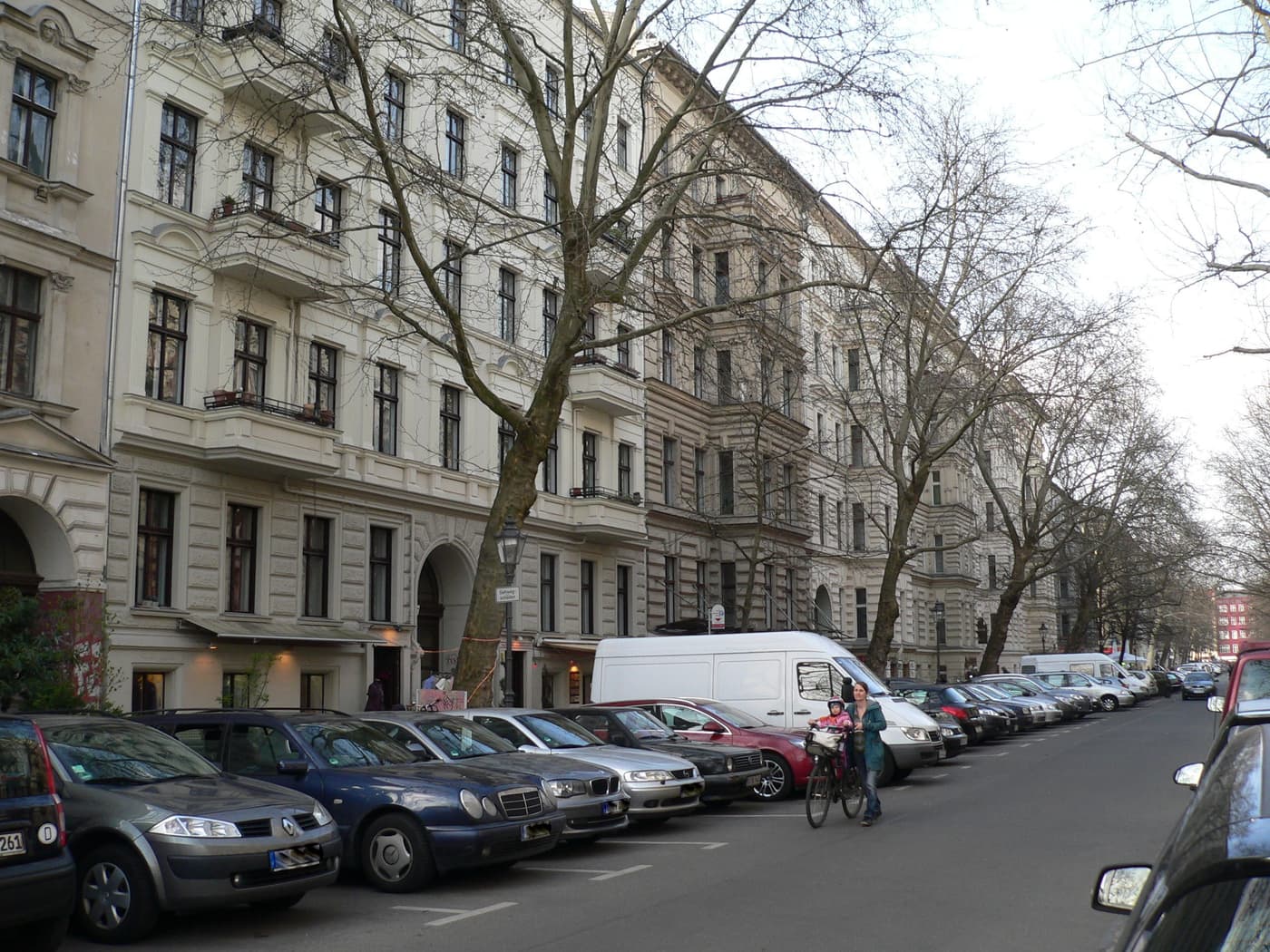
Ein Altbau in Prenzlauer Berg
Die Husemannstraße in Prenzlauer Berg: Altbau, Bäume, Fahrräder. Die Häuser sind von 1900.
- Wie viele Fenster siehst du?
- Ist das Haus alt oder neu?
- Wo möchtest du wohnen: oben oder unten?
Auch in der Wohnung · also in the flat
- die Wohnung pl. -en flat
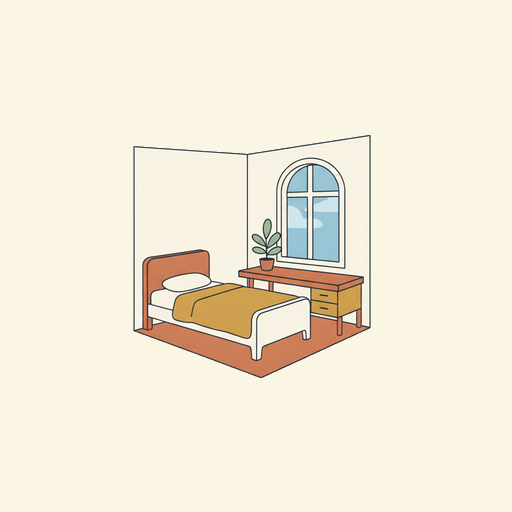 das Zimmer no plural room
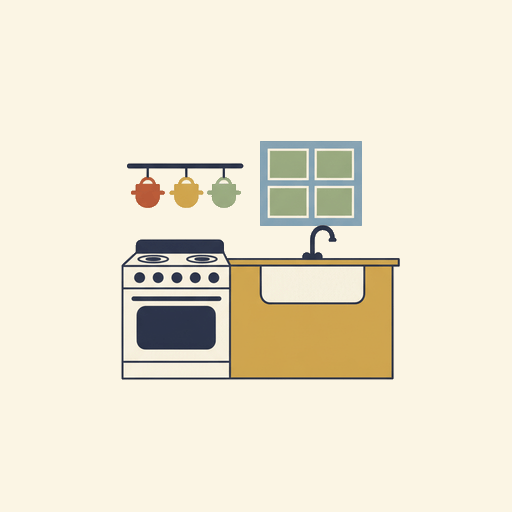 die Küche pl. -n kitchen
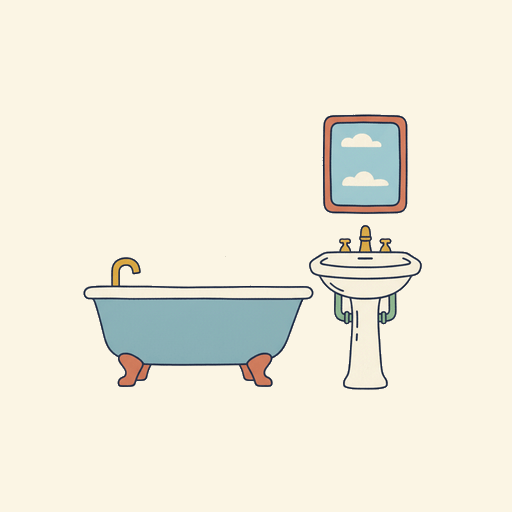 das Bad die Bäder bathroom
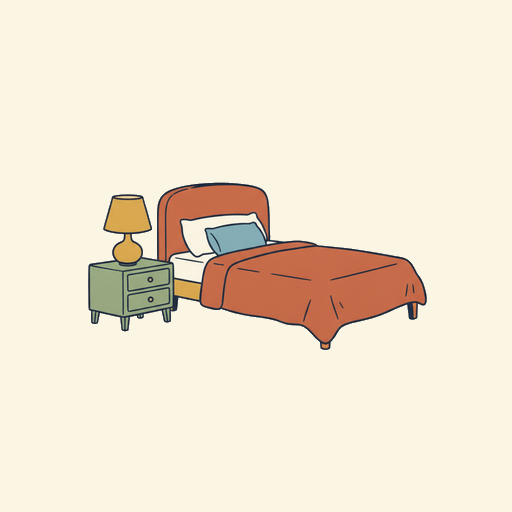 das Schlafzimmer no plural bedroom
 das Wohnzimmer no plural living room
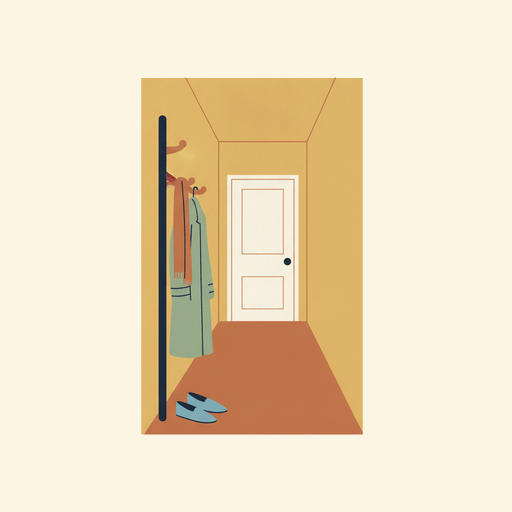 der Flur pl. -e hallway
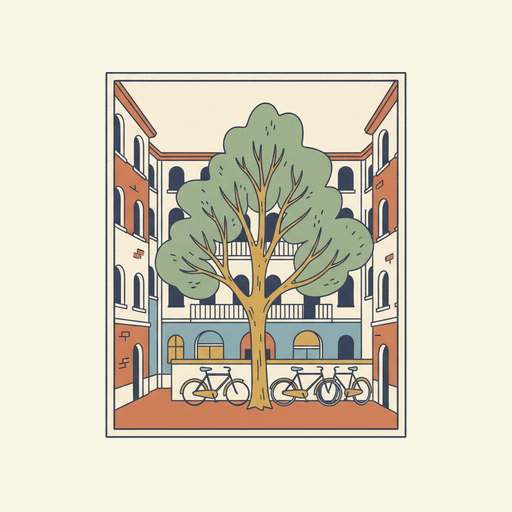 der Hof die Höfe courtyard
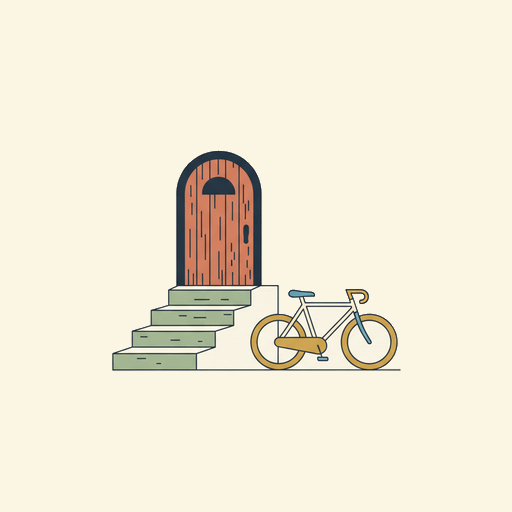 der Keller no plural cellar
 die Treppe pl. -n stairs
- der Tisch pl. -e table
- der Stuhl die Stühle chair
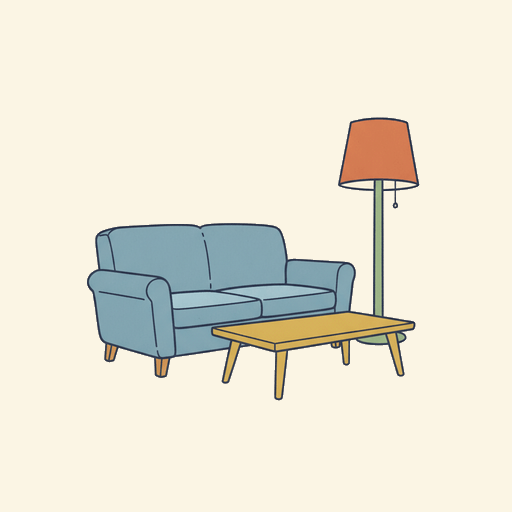
 das Sofa pl. -s sofa
 das Bett pl. -en bed
 der Schrank die Schränke wardrobe
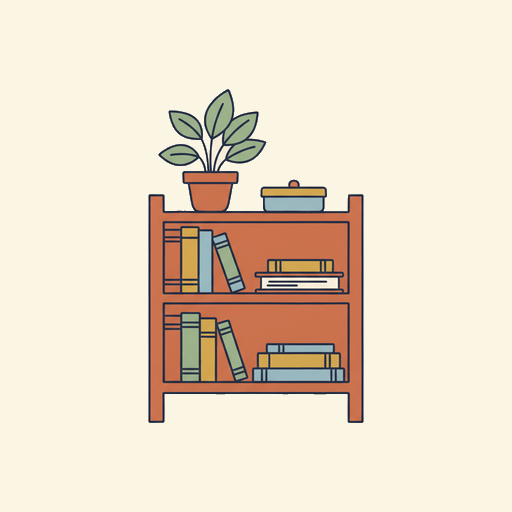 das Regal pl. -e shelf
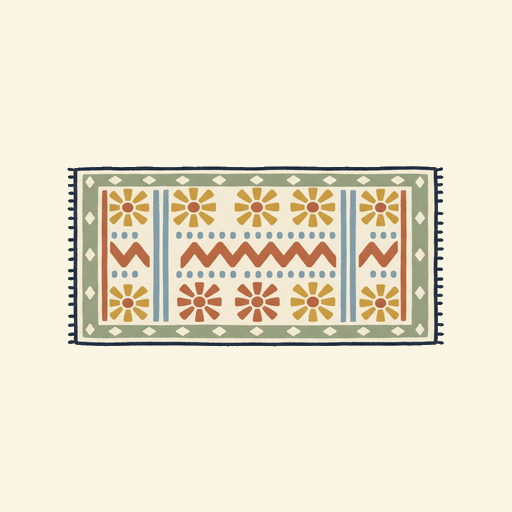 der Teppich pl. -e rug
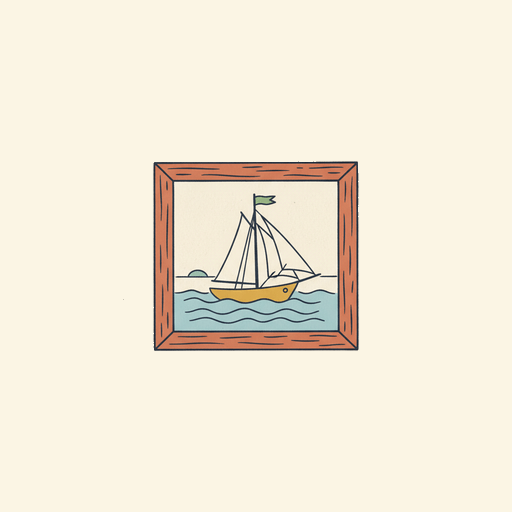 das Bild pl. -er picture
 die Pflanze pl. -n plant
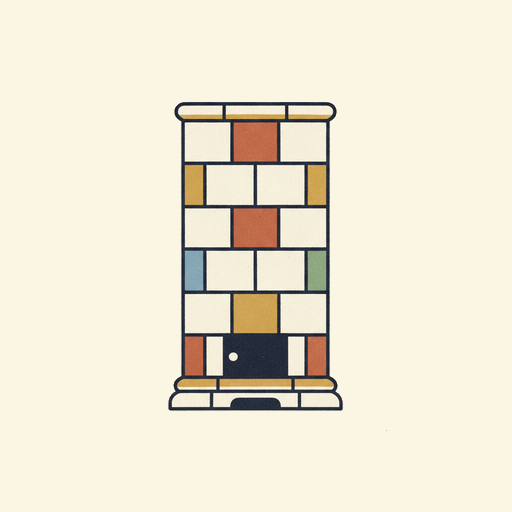 der Ofen die Öfen stove
 der Kühlschrank die Kühlschränke fridge
 der Fernseher no plural television
 die Wand die Wände wall
 der Boden die Böden floor
 die Decke pl. -n ceiling
 die Heizung pl. -en heating
 der Schlüssel no plural key
 die Miete pl. -n rent
Wörter zuerst · words first
Lesen · reading
Lenas Wohnung
Lena invites Maya to her flat in Prenzlauer Berg: fourth floor, no lift, and a stove made of tiles.
Lena Komm rein! Das ist meine Wohnung. Vierter Stock, kein Aufzug.
Maya Puh. Aber schön! Die Decke ist so hoch.
Lena Ja, das ist ein Altbau, von 1905. Hier ist der Flur, da ist das Bad.
Maya Und das? Ist das ein Ofen?
Lena Ja, ein Kachelofen. Er ist alt, aber er funktioniert. Im Winter ist er warm.
Maya Wie viele Zimmer hat die Wohnung?
Lena Zwei Zimmer, Küche, Bad. Das Wohnzimmer ist groß, das Schlafzimmer ist klein.
Maya Wo ist die Katze? Du hast eine Katze, oder?
Lena Ja, Mimi. Sie ist unter dem Sofa. Oder auf dem Schrank. Oder im Bett.
Maya Und der Balkon?
Lena Der Balkon ist hinter der Küche. Er ist klein, aber er ist meiner.
Maya Was kostet die Wohnung?
Lena Sechshundert Euro. Für Berlin ist das billig. Kaffee?
English · Lena: Come in! This is my flat. Fourth floor, no lift. · Maya: Phew. But lovely! The ceiling is so high. · Lena: Yes, it's an Altbau, from 1905. Here's the hall, there's the bathroom. · Maya: And that? Is that a stove? · Lena: Yes, a tiled stove. It's old, but it works. In winter it's warm. · Maya: How many rooms does the flat have? · Lena: Two rooms, kitchen, bathroom. The living room is big, the bedroom is small. · Maya: Where's the cat? You have a cat, don't you? · Lena: Yes, Mimi. She's under the sofa. Or on the wardrobe. Or in the bed. · Maya: And the balcony? · Lena: The balcony is behind the kitchen. It's small, but it's mine. · Maya: What does the flat cost? · Lena: Six hundred euros. For Berlin that's cheap. Coffee?
Richtig oder falsch?
Circle what the text says.
- Die Wohnung ist im vierten Stock/ersten Stock .
- Das Haus ist von 1905/1950 .
- Die Wohnung hat zwei/drei Zimmer.
- Das Schlafzimmer ist groß/klein .
- Die Miete ist 600 €/900 € .
Wo ist Mimi?
Lena names three places for the cat. Write them.
- 1.
- 2.
- 3.
Schreib mit! · your turn
Copy the two sentences of the text you want to remember, then write one of your own in the same shape.
Grammatik · 1 of 2
der, die, das
Every noun has one; learn it with the word
Three articlesein for der and das, eine for die — and kein, keine the same way: “not a”.
| der | die | das | |
|---|---|---|---|
| the | der Tisch | die Lampe | das Buch |
| a | ein Tisch | eine Lampe | ein Buch |
| not a | kein Tisch | keine Lampe | kein Buch |
| people | der Mann | die Frau | das Kind |
| animals | der Hund | die Katze | das Pferd |
| at home | der Stuhl | die Tür | das Fenster |
| der Schlüssel | die Uhr | das Haus | |
| der Computer | die Tasche | das Auto |
Clues that often work
- -e → mostly die
- die Lampe, die Tasche, die Katze
- -ung → die
- die Wohnung (flat)
- -chen → das
- das Mädchen (girl)
- -er for people → der
- der Lehrer (teacher)
Mini-Check
Circle the right word.
- der/die/das Lampe
- ein/eine Buch
- Das ist kein/keine Tisch.
- der/das Fenster
- die/das Küche
- Das ist ein/eine Lampe.
Schreib mit! · your turn
Write three sentences of your own with the rule of this page. Use words from the word page.
Grammatik · 2 of 2
Plural, und: Wo ist es?
More than one, and on, under, next to
Five endings¨ means: add the dots. – means: no ending.
| ending | one | more than one |
|---|---|---|
| -e | der Tisch · der Hund | die Tische · die Hunde |
| ¨-e | der Stuhl | die Stühle |
| -(e)n | die Lampe · die Katze · die Frau | die Lampen · die Katzen · die Frauen |
| ¨-er | das Haus · das Buch · das Kind | die Häuser · die Bücher · die Kinder |
| -s | das Auto · das Handy | die Autos · die Handys |
| – | der Schlüssel · der Apfel | die Schlüssel · die Äpfel |
Where is it?
| in English | German |
|---|---|
| on the table | auf dem Tisch |
| under the table | unter dem Tisch |
| next to the table | neben dem Tisch |
| in front of the sofa | vor dem Sofa |
| behind the sofa | hinter dem Sofa |
| on the wall | an der Wand |
Hear an -m? That’s demSo it goes with a der- or das-word.
| indem | = | im | im Park |
| andem | = | am | am Bahnhof |
| beidem | = | beim | beim Arzt |
Mini-Check
Circle the right word.
- zwei Stuhl/Stühle
- Die Katze ist auf dem/auf der Sofa.
- Das Bild ist an der/an dem Wand.
- vier Bett/Betten
- Der Hund ist unter dem/unter der Tisch.
- Die Lampe ist neben dem/neben der Sofa.
Schreib mit! · your turn
Write three sentences of your own with the rule of this page. Use words from the word page.
Lesen im Alltag · reading the real thing
Ein Wohnzimmer um 1930, heute ein Museum. Wo ist was?
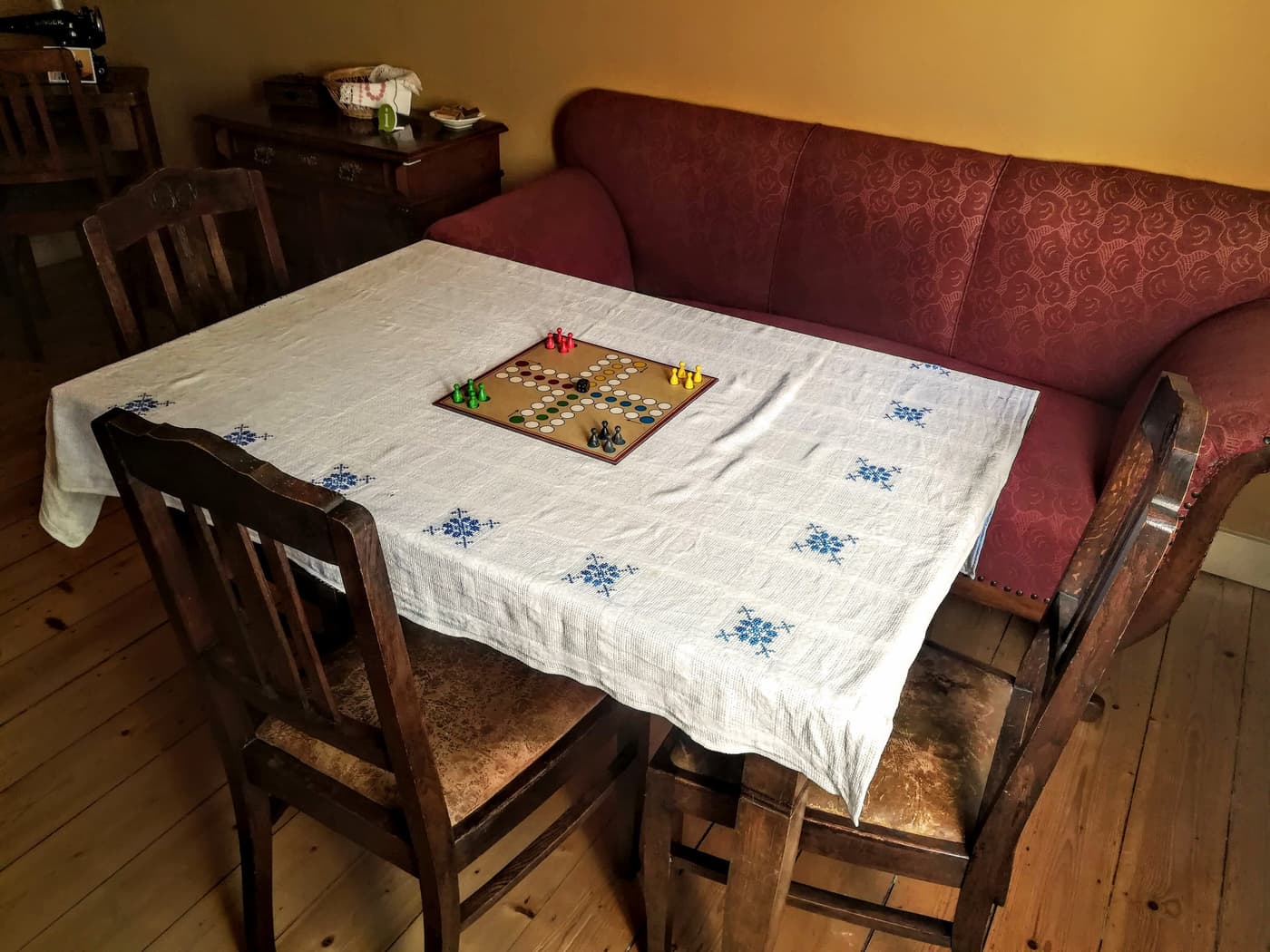
A real room, kept as it was. Find the things and say where they are: on, under, next to, on the wall.
Was ist das?
Write each thing with der, die or das.
- the sofa
- the table
- the chair
- the floor
- the wall
- the game
Wo ist …?
Look at the photo. Circle the right place.
- Das Spiel ist auf dem Tisch/unter dem Tisch .
- Das Sofa ist an der Wand/vor der Tür .
- Der Stuhl ist neben dem Tisch/auf dem Sofa .
- Der Tisch ist vor dem Sofa/hinter dem Sofa .
Wie viele?
Count and write the number as a word.
- Stühle:
- Tische:
- Sofas:
Schreib mit! · your turn
Write down every German word you can read on the photo, with its article if it is a noun.
Übungen · practise 1 of 2
Meine Wohnung
What is it?
Write each thing with der, die or das.
Three columns
Write each word in its column.
HundKatzeAutoUhrSchlüsselHausTascheMannMädchen
ein or eine?
Write ein or eine.
- Das ist Tisch.
- Das ist Lampe.
- Das ist Buch.
- Das ist Tasche.
- Das ist Hund.
- Das ist Uhr.
Make it more
Write the plural with die.
- der Tisch
- die Lampe
- das Kind
- das Auto
- der Stuhl
- die Katze
- das Buch
- der Schlüssel
One or many?
Circle the right word.
- zwei Tisch/Tische
- ein Kind/Kinder
- drei Apfel/Äpfel
- eine Lampe/Lampen
- vier Auto/Autos
- zehn Ei/Eier
Schreib mit! · your turn
Pick five words from this chapter and write one sentence with each.
Übungen · practise 2 of 2
Meine Wohnung
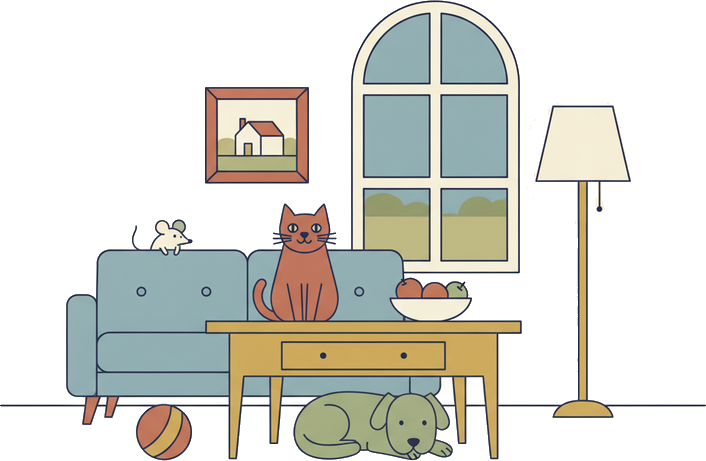
Wo ist …?
Look at the picture. Where is it?
- Die Katze ist .
- Der Hund ist .
- Der Ball ist .
- Das Bild ist .
- Die Lampe ist .
im or in der?
Circle the right words.
- Ich bin im/in der Büro.
- Lena ist im/in der Schule.
- Wir sind im/in der Kino.
- Er wohnt in/im Berlin.
- Ich bin am/an der Bahnhof.
- Max ist beim/bei der Arzt.
Meine Wohnung
Write about where you live: how many rooms, what is big, what is small.
- Meine Wohnung hat Zimmer.
- Das ist groß.
- Das ist klein.
- Mein Lieblingszimmer ist .
Bilder-Check
Write each word with der, die or das. No peeking at the word page.
Schreib mit! · your turn
Write what you got wrong on these two pages, correctly, once each.
Hören, sprechen, können
Meine Wohnung
Lena reads her text about herself, and every line of the flat tour is read aloud. Listen, then walk through your own flat and name each room out loud.
languagequiz.org/b/a1-14Open the code and describe your flat to the tutor: the rooms, one piece of furniture per room, and where the cat would hide. Three minutes.
languagequiz.org/b/a1-31The chapter's exercise with instant correction and the medal ladder.
languagequiz.org/b/a1-06Ich kann … · I can
- name the rooms of a flat and the furniture in them
- say der, die or das for thirty things at home
- make the plural of a word I know
- say where something is: auf, unter, neben, an
Done? Tick what you can, circle what you got wrong on the practice pages, and come back to those in a week. The answers are on page 124.
Meine Notizen · my notes
Bildwörterbuch · picture dictionary
Meine Wohnung
Every pictured word of this chapter on one page. Cover the words, say them from the pictures; cover the pictures, draw them from the words.
- die Wohnung pl. -en flat
- das Zimmer no plural room
- die Küche pl. -n kitchen
- das Bad die Bäder bathroom
- das Schlafzimmer no plural bedroom
- das Wohnzimmer no plural living room
- der Flur pl. -e hallway
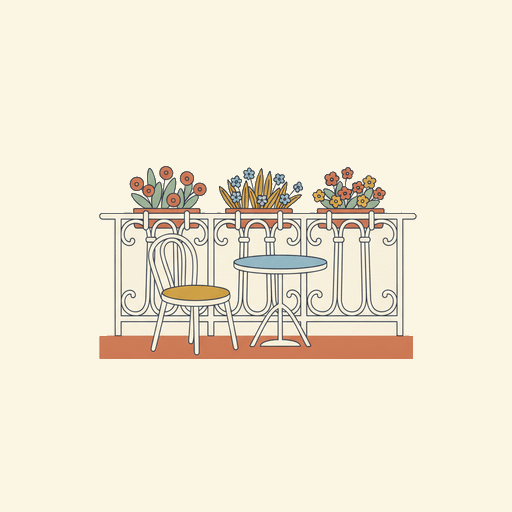 der Balkon pl. -e balcony
- der Hof die Höfe courtyard
- der Keller no plural cellar
- die Treppe pl. -n stairs
- der Tisch pl. -e table
- der Stuhl die Stühle chair
- das Sofa pl. -s sofa
- das Bett pl. -en bed
- der Schrank die Schränke wardrobe
- das Regal pl. -e shelf
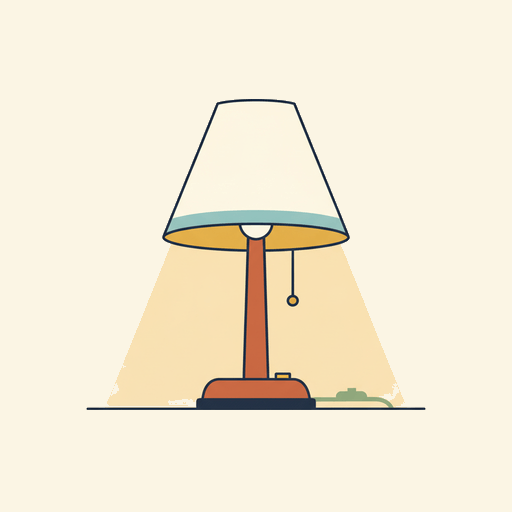 die Lampe pl. -n lamp
- der Teppich pl. -e rug
- das Bild pl. -er picture
- die Pflanze pl. -n plant
- der Ofen die Öfen stove
- der Kühlschrank die Kühlschränke fridge
- der Fernseher no plural television
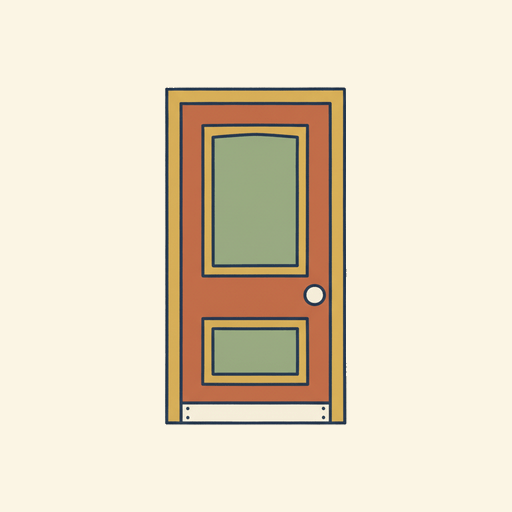 die Tür pl. -en door
- das Fenster no plural window
- die Wand die Wände wall
- der Boden die Böden floor
- die Decke pl. -n ceiling
- die Heizung pl. -en heating
- der Schlüssel no plural key
- die Miete pl. -n rent
Meine Familie
Kaffee und Kuchen am Sonntag
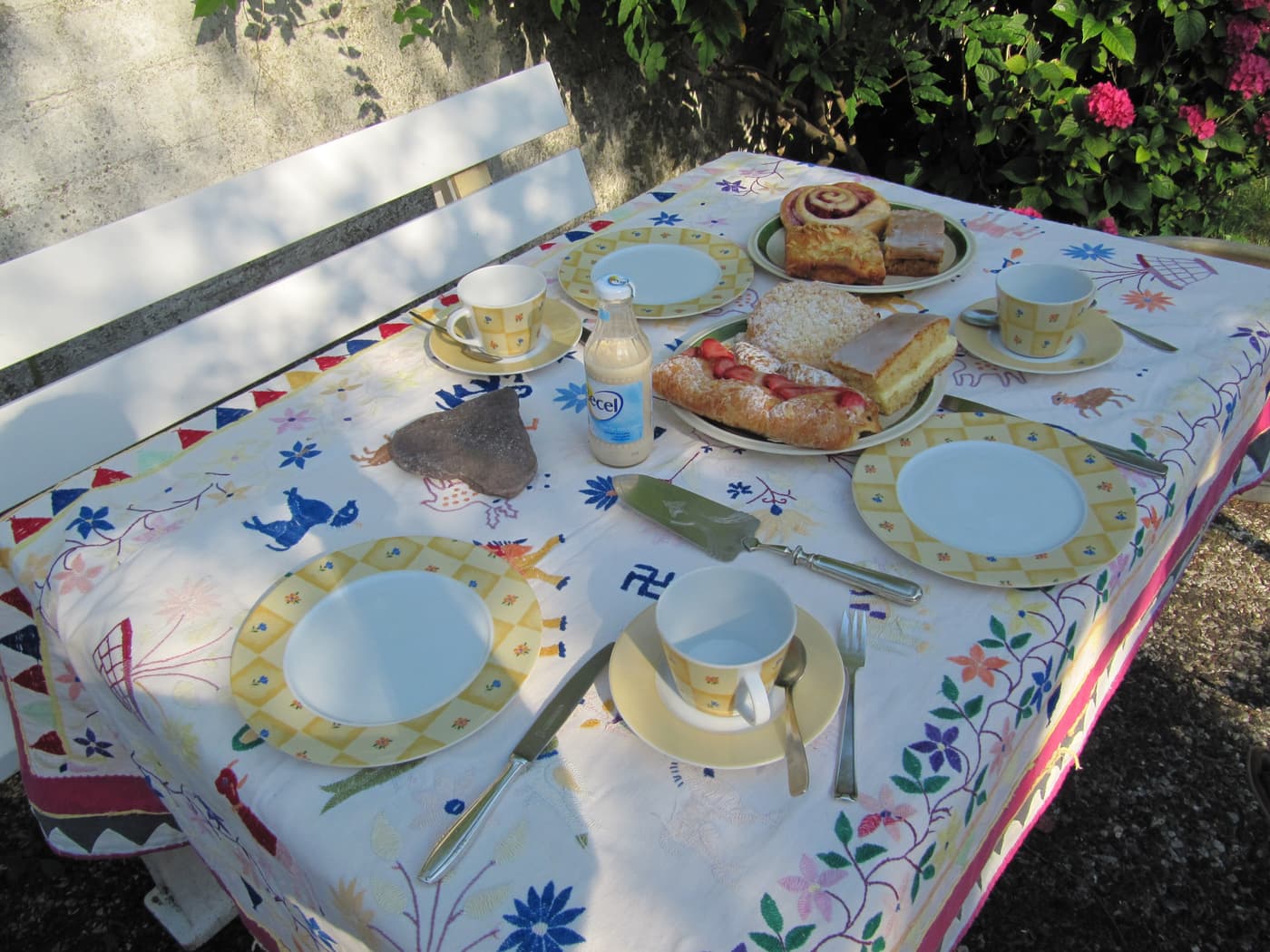
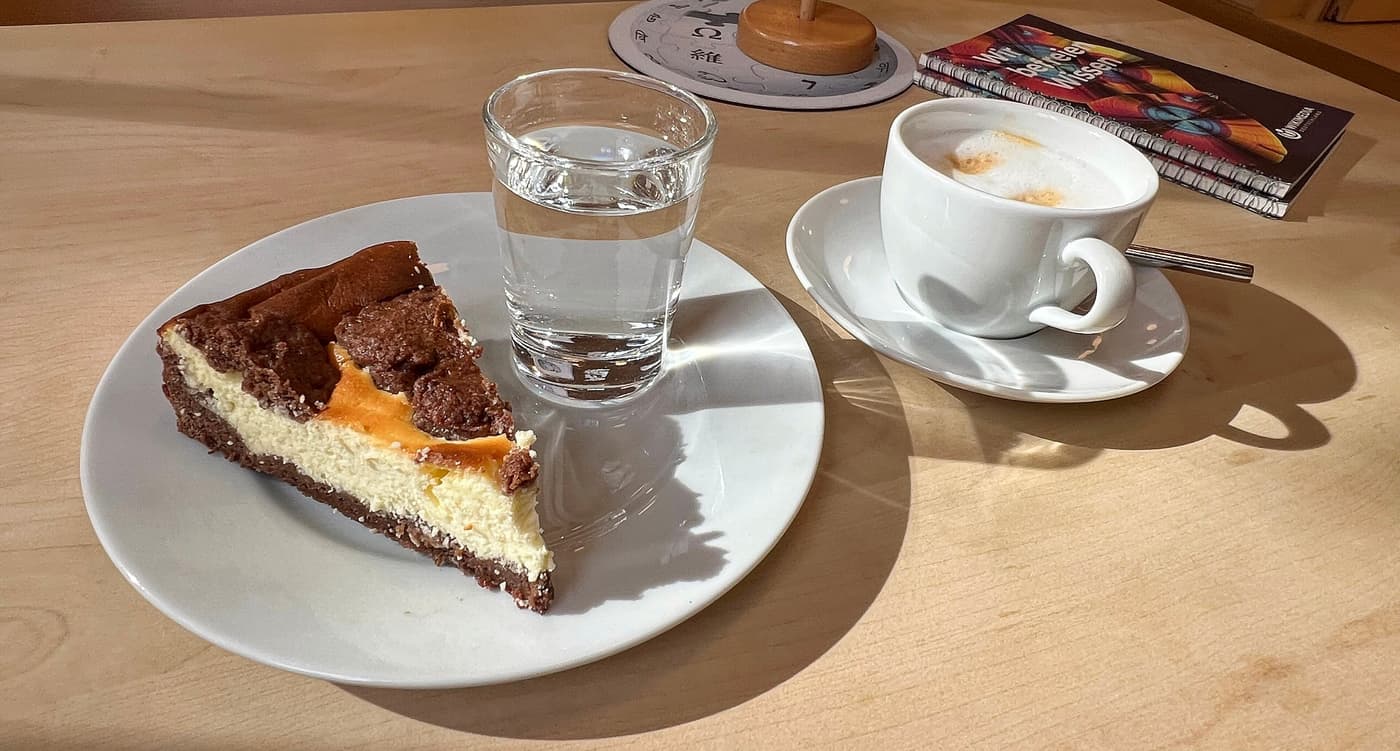
Kaffee und Kuchen im Garten: um vier Uhr, jeden Sonntag.
- Was ist auf dem Tisch?
- Welche Farbe hat die Tischdecke?
- Was isst du gern: Kuchen oder Torte?
Auch am Kaffeetisch · also at the coffee table
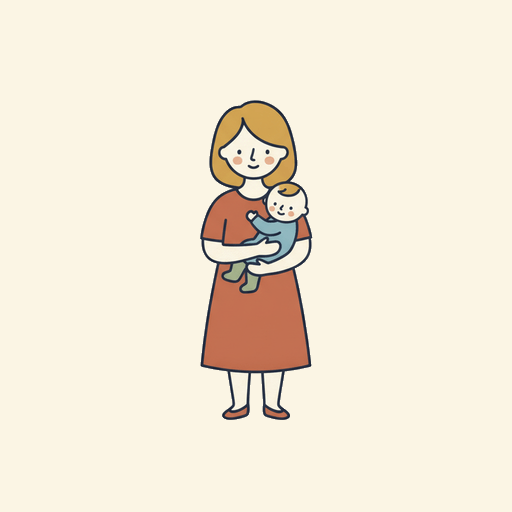 die Mutter die Mütter mother
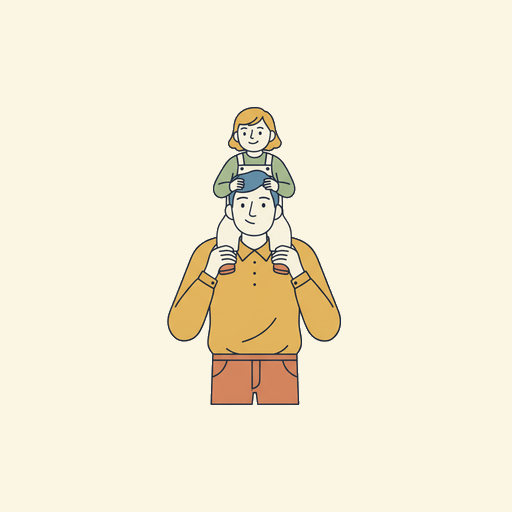 der Vater die Väter father
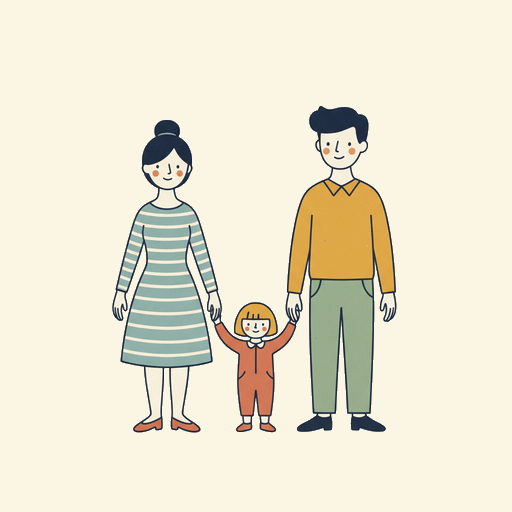 die Eltern parents
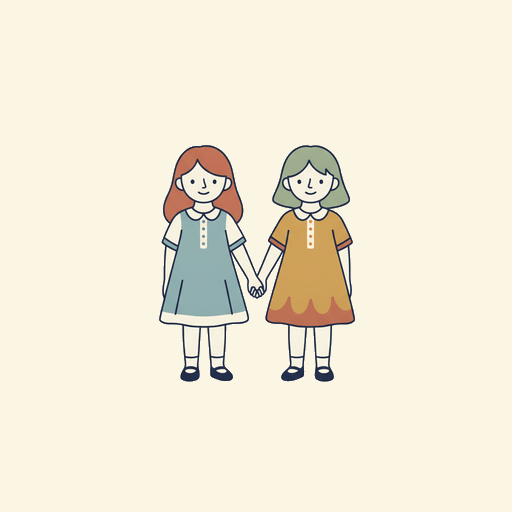 die Schwester pl. -n sister
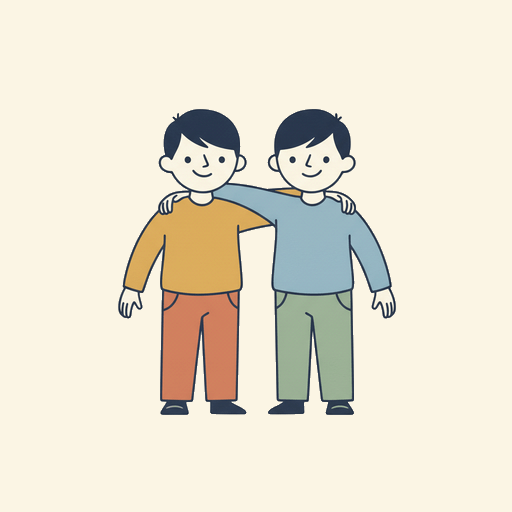 der Bruder die Brüder brother
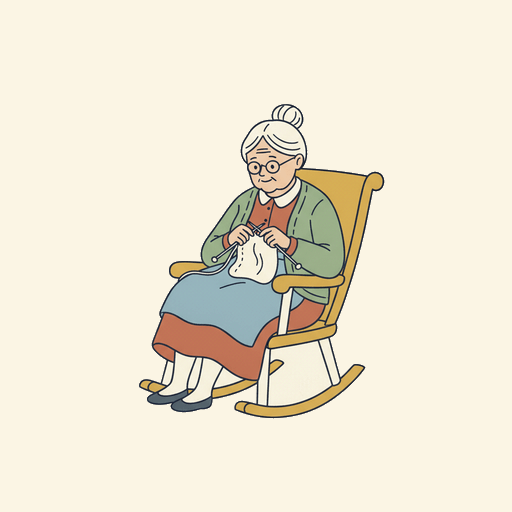 die Oma pl. -s grandma
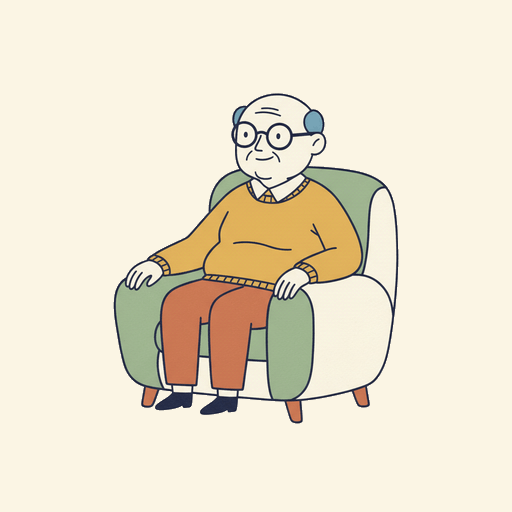 der Opa pl. -s grandpa
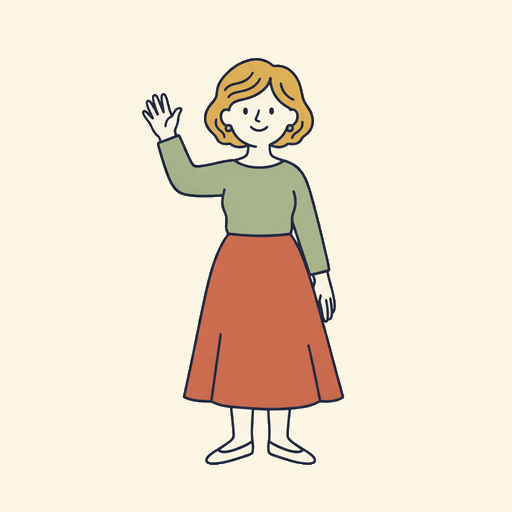 die Tante pl. -n aunt
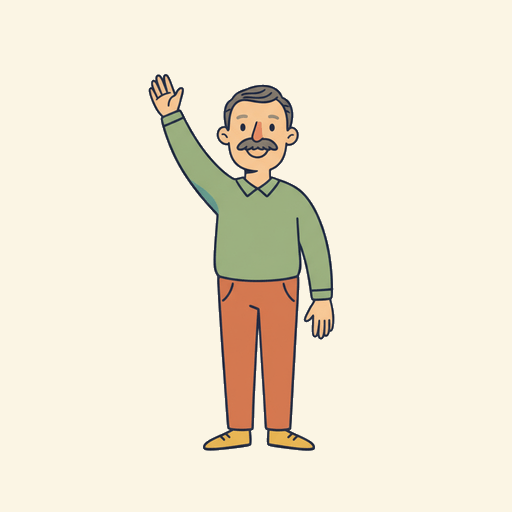 der Onkel no plural uncle
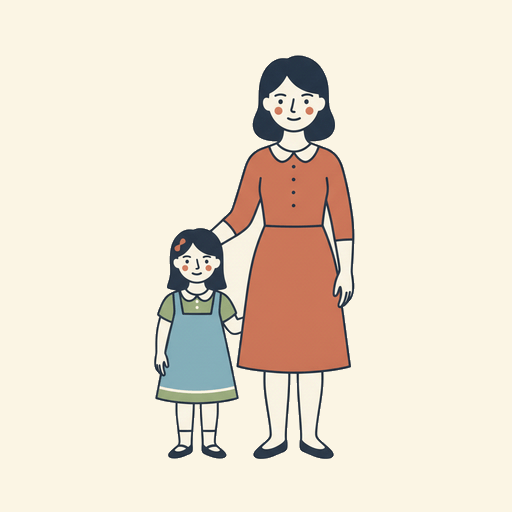 die Tochter die Töchter daughter
 der Sohn die Söhne son
 das Baby pl. -s baby
 die Torte pl. -n layer cake
 die Sahne no plural cream
- der Kaffee no plural coffee
- der Tee pl. -s tea
 die Kerze pl. -n candle
 das Geschenk pl. -e present
Wörter zuerst · words first
Lesen · reading
Omas Geburtstag
Lena takes Maya to her grandmother's seventieth birthday in Potsdam. Twenty people, three cakes, and everyone wants to know who Maya is.
Lena Oma, das ist Maya, meine Freundin aus Kanada.
Oma Willkommen, Maya! Ich bin Gisela. Heute bin ich siebzig.
Maya Herzlichen Glückwunsch! Alles Gute!
Oma Danke. Setz dich. Kaffee? Kuchen? Der Kuchen ist von Peter, mein Sohn.
Maya Lena, wer ist wer? Das sind so viele Leute.
Lena Also: Peter ist mein Vater, Anna ist meine Mutter. Der Mann mit dem Baby ist mein Onkel Jan.
Maya Und die Frau in Rot?
Lena Das ist meine Tante Lisa. Sie hat drei Kinder: Tom, Mia und das Baby. Das Baby heißt Finn, er ist vier Monate.
Maya Hast du Geschwister?
Lena Ja, einen Bruder. Tom ist sechzehn. Er isst gerade Kuchen Nummer drei.
Opa Und ich bin Heinz, der Opa. Ich bin zweiundsiebzig und ich habe einen Hund. Der Hund ist auch alt.
Maya Und wie alt ist der Hund?
Opa Vierzehn. Für einen Hund ist das hundert.
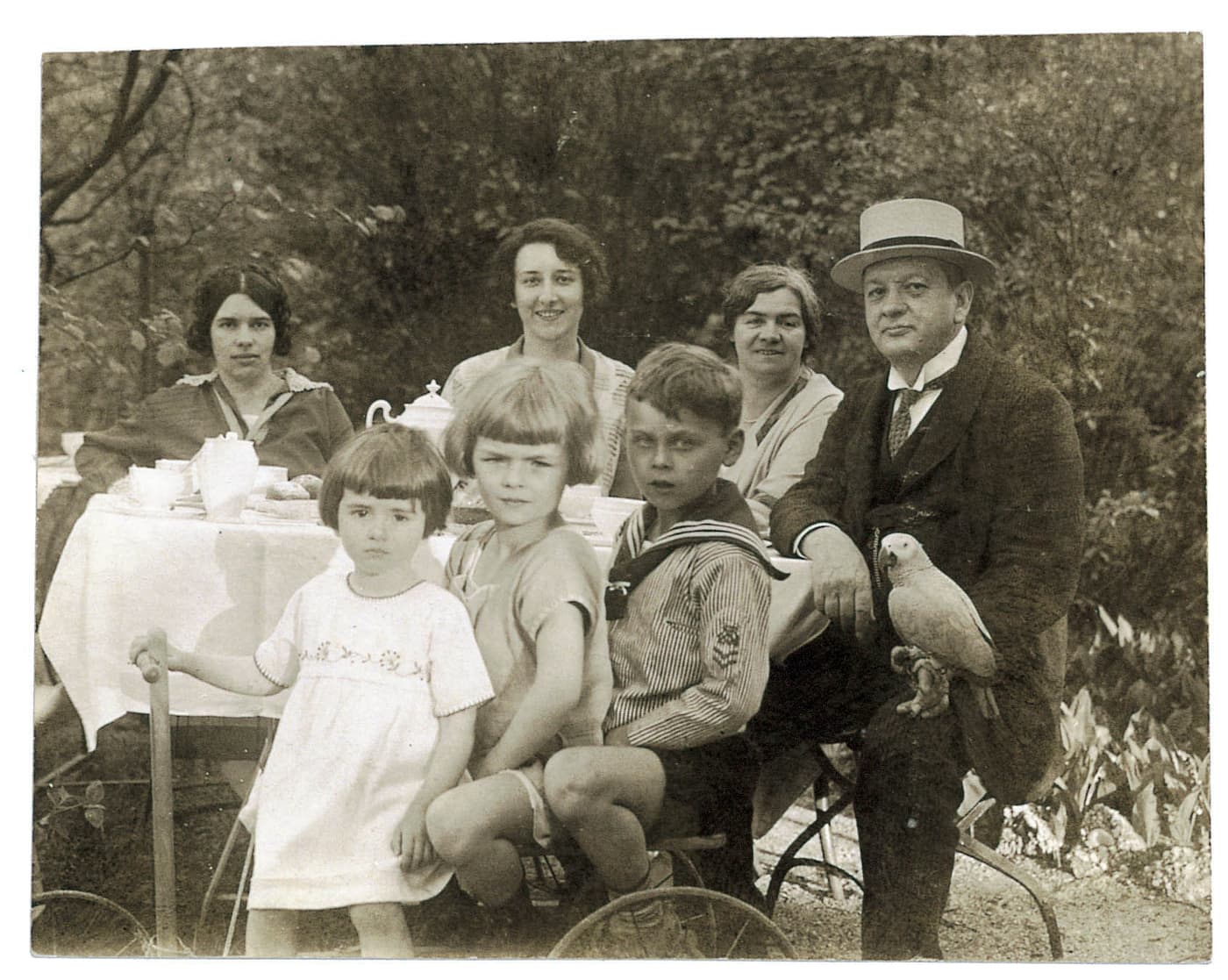
English · Lena: Grandma, this is Maya, my friend from Canada. · Grandma: Welcome, Maya! I'm Gisela. Today I'm seventy. · Maya: Congratulations! All the best! · Grandma: Thanks. Sit down. Coffee? Cake? The cake is by Peter, my son. · Maya: Lena, who is who? That's so many people. · Lena: So: Peter is my father, Anna is my mother. The man with the baby is my uncle Jan. · Maya: And the woman in red? · Lena: That's my aunt Lisa. She has three children: Tom, Mia and the baby. The baby is called Finn, he's four months. · Maya: Do you have brothers or sisters? · Lena: Yes, a brother. Tom is sixteen. He's eating cake number three right now. · Grandpa: And I'm Heinz, the grandpa. I'm seventy-two and I have a dog. The dog is old too. · Maya: And how old is the dog? · Grandpa: Fourteen. For a dog that's a hundred.
Wer ist wer?
Draw a line from each person to who they are.
- Gisela
- Peter
- Lisa
- Tom
- Heinz
- Finn
- der Bruder
- die Oma
- der Opa
- das Baby
- der Vater
- die Tante
Wie alt?
Write the age in figures.
- Oma Gisela
- Opa Heinz
- Tom
- der Hund
- Finn (in Monaten)
Schreib mit! · your turn
Copy the two sentences of the text you want to remember, then write one of your own in the same shape.
Grammatik · 1 of 2
Meine Familie, meine Farben
The family tree, mein and meine, and the colours
Lenas Familiedie Eltern = Vater + Mutter · die Geschwister = Bruder + Schwester
More people
- der Sohn · die Tochter
- son · daughter
- die Eltern
- parents
- die Geschwister
- brothers and sisters
- der Großvater · die Großmutter
- grandfather · grandmother
FarbenAfter ist and sind a colour never changes: Das Auto ist rot.
- rot red
- blau blue
- gelb yellow
- grün green
- orange orange
- braun brown
- schwarz black
- weiß white
- grau grey
- rosa pink
- lila purple
- bunt colourful
Mini-Check
Circle the right word.
- mein/meine Schwester
- mein/meine Opa
- Das Auto ist rot/rote .
- mein/meine Eltern
- mein/meine Bruder
- Die Tür ist blau/blaue .
Schreib mit! · your turn
Write three sentences of your own with the rule of this page. Use words from the word page.
Grammatik · 2 of 2
haben, sein, und wie alt?
What you have, what you are, and saying an age
sein and habensein has no pattern at all. haben is regular, except that du hast and er hat lose the b. möchte (would like) is the polite way to order or ask — and ich and er share one form.
| who | sein · to be | haben · to have | möchte · would like |
|---|---|---|---|
| ich | bin | habe | möchte |
| du | bist | hast | möchtest |
| er · sie · es | ist | hat | möchte |
| wir | sind | haben | möchten |
| ihr | seid | habt | möchtet |
| sie · Sie | sind | haben | möchten |
Mini-Check
Circle the right word.
- Ich bin/habe zwanzig.
- Wir sind/haben Hunger.
- Bist/Hast du einen Bruder?
- Lena hat/ist zwanzig.
- Ich habe/bin Durst.
- Oma hat/ist einen Hund.
Schreib mit! · your turn
Write three sentences of your own with the rule of this page. Use words from the word page.
Lesen im Alltag · reading the real thing
Ein Glückwunsch-Telegramm von 1987: Was steht drauf?
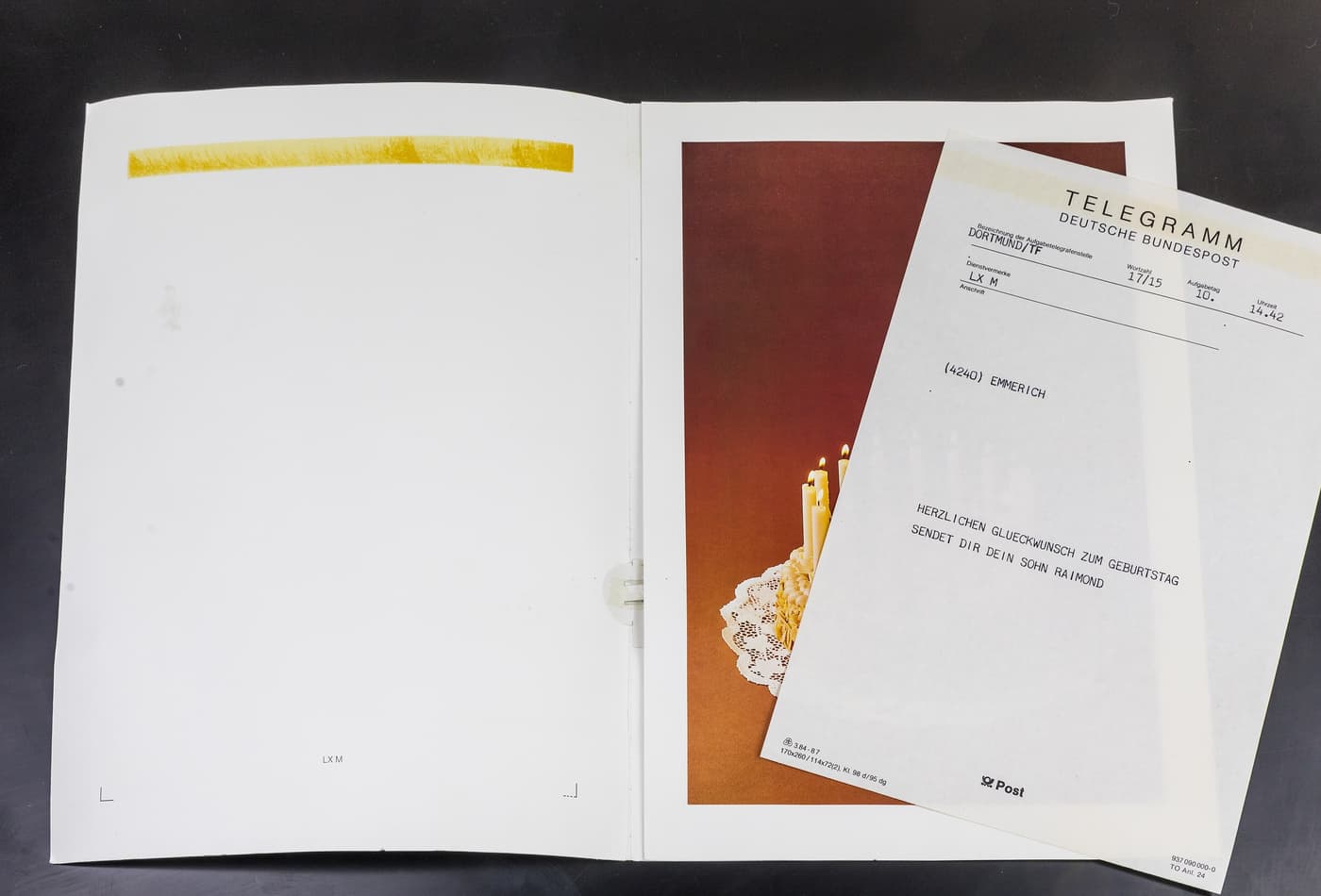
Before mobile phones, a birthday wish came by telegram, delivered the same day with a card. Read the typed lines: who writes to whom, and why.
Lies das Telegramm
Find the answer on the telegram.
- Der Anlass (the occasion):
- Wer schreibt? Der
- Die Stadt:
- Die Uhrzeit:
Mit Umlaut
The telegram writes UE for ü. Write the word the normal way.
- GLUECKWUNSCH
- MUELLER
- SCHOEN
- KAESE
Dein Telegramm
Write a birthday wish to someone in your family, telegram style: who it is for, who it is from.
- Herzlichen Glückwunsch zum Geburtstag, !
- Alles Gute von .
Schreib mit! · your turn
Write down every German word you can read on the photo, with its article if it is a noun.
Übungen · practise 1 of 2
Meine Familie
Lena’s family
You are Lena. Look at the family tree.
- Tom ist mein .
- Mia ist meine .
- Peter ist mein .
- Anna ist meine .
- Heinz ist mein .
- Lisa ist meine .
mein or meine?
Circle the right word.
- mein/meine Bruder
- mein/meine Schwester
- mein/meine Eltern
- mein/meine Kind
- mein/meine Oma
- mein/meine Vater
haben
Write the right form of haben.
- Ich Hunger.
- du Zeit?
- Er ein Auto.
- Wir Durst.
- ihr ein Handy?
- Die Kinder Hunger.
sein, haben or möchte?
Circle the right word.
- Ich bin/habe Hunger.
- Ich bin/habe zwanzig.
- Er ist/hat müde.
- Wir sind/möchten Kaffee.
- Bist/Hast du Angst?
- Lena ist/möchte ein Handy.
Schreib mit! · your turn
Pick five words from this chapter and write one sentence with each.
Übungen · practise 2 of 2
Meine Familie
Colour it in
Read each sentence, colour the picture, tick the box.
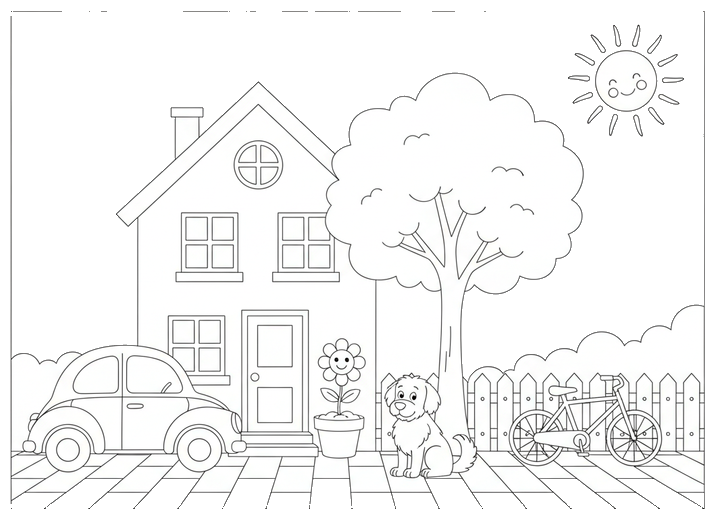
- Das Auto ist rot.
- Das Haus ist gelb.
- Die Tür ist blau.
- Der Baum ist grün.
- Die Sonne ist orange.
- Der Hund ist braun.
- Die Blume ist rosa.
- Das Fahrrad ist schwarz.
Meine Familie
Write about your family: who, how old, what they have.
- Ich habe .
- Meine Mutter heißt .
- Mein ist … Jahre alt.
- Wir haben .
Bilder-Check
Write each word with der, die or das. No peeking at the word page.
Schreib mit! · your turn
Write what you got wrong on these two pages, correctly, once each.
Hören, sprechen, können
Meine Familie
Max introduces his family and his dog, and every line of the birthday is read aloud. Listen, then say your own family out loud: name, age, one thing each has.
languagequiz.org/b/a1-10Open the code and tell the tutor about your family: three people, their ages, and the colour of something each one owns. Three minutes.
languagequiz.org/b/a1-15The chapter's exercise with instant correction and the medal ladder.
languagequiz.org/b/a1-27Ich kann … · I can
- name the people in my family and say who is whose
- say how old someone is, with sein
- use mein and meine
- say the colours and read a birthday wish
Done? Tick what you can, circle what you got wrong on the practice pages, and come back to those in a week. The answers are on page 124.
Meine Notizen · my notes
Bildwörterbuch · picture dictionary
Meine Familie
Every pictured word of this chapter on one page. Cover the words, say them from the pictures; cover the pictures, draw them from the words.
- die Mutter die Mütter mother
- der Vater die Väter father
- die Eltern parents
- die Schwester pl. -n sister
- der Bruder die Brüder brother
- die Oma pl. -s grandma
- der Opa pl. -s grandpa
- die Tante pl. -n aunt
- der Onkel no plural uncle
- die Tochter die Töchter daughter
- der Sohn die Söhne son
- das Baby pl. -s baby
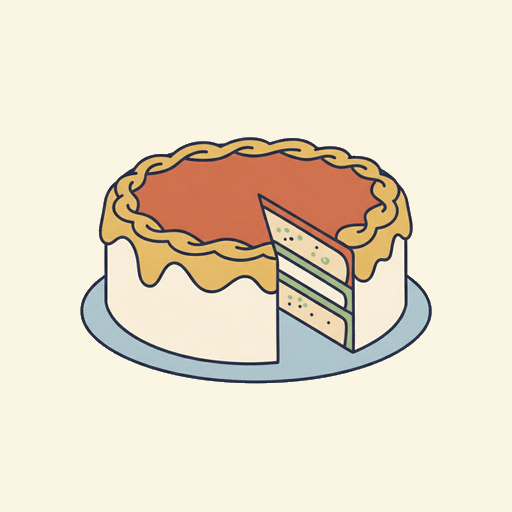 der Kuchen no plural cake
- die Torte pl. -n layer cake
- die Sahne no plural cream
- der Kaffee no plural coffee
- der Tee pl. -s tea
 die Tasse pl. -n cup
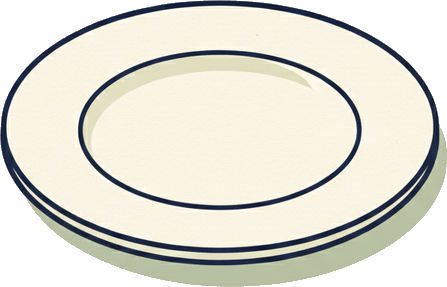 der Teller no plural plate
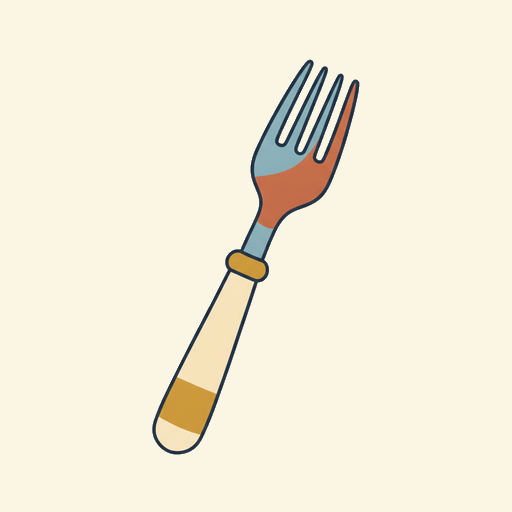 die Gabel pl. -n fork
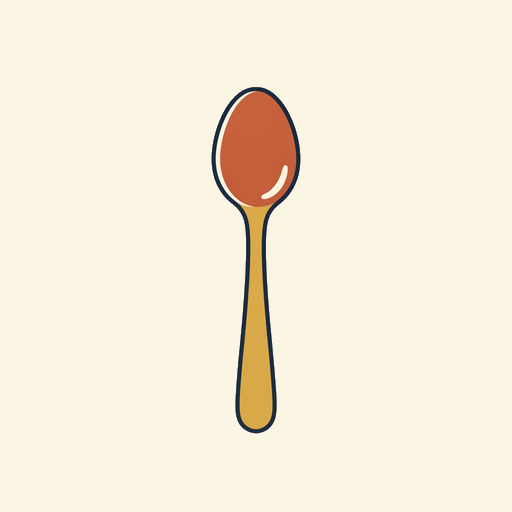 der Löffel no plural spoon
- die Kerze pl. -n candle
- das Geschenk pl. -e present
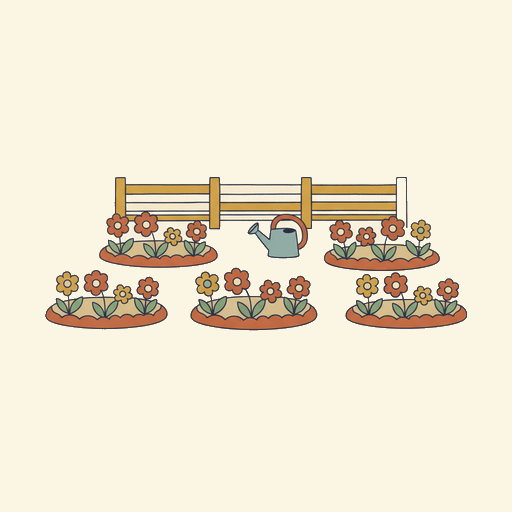 der Garten die Gärten garden
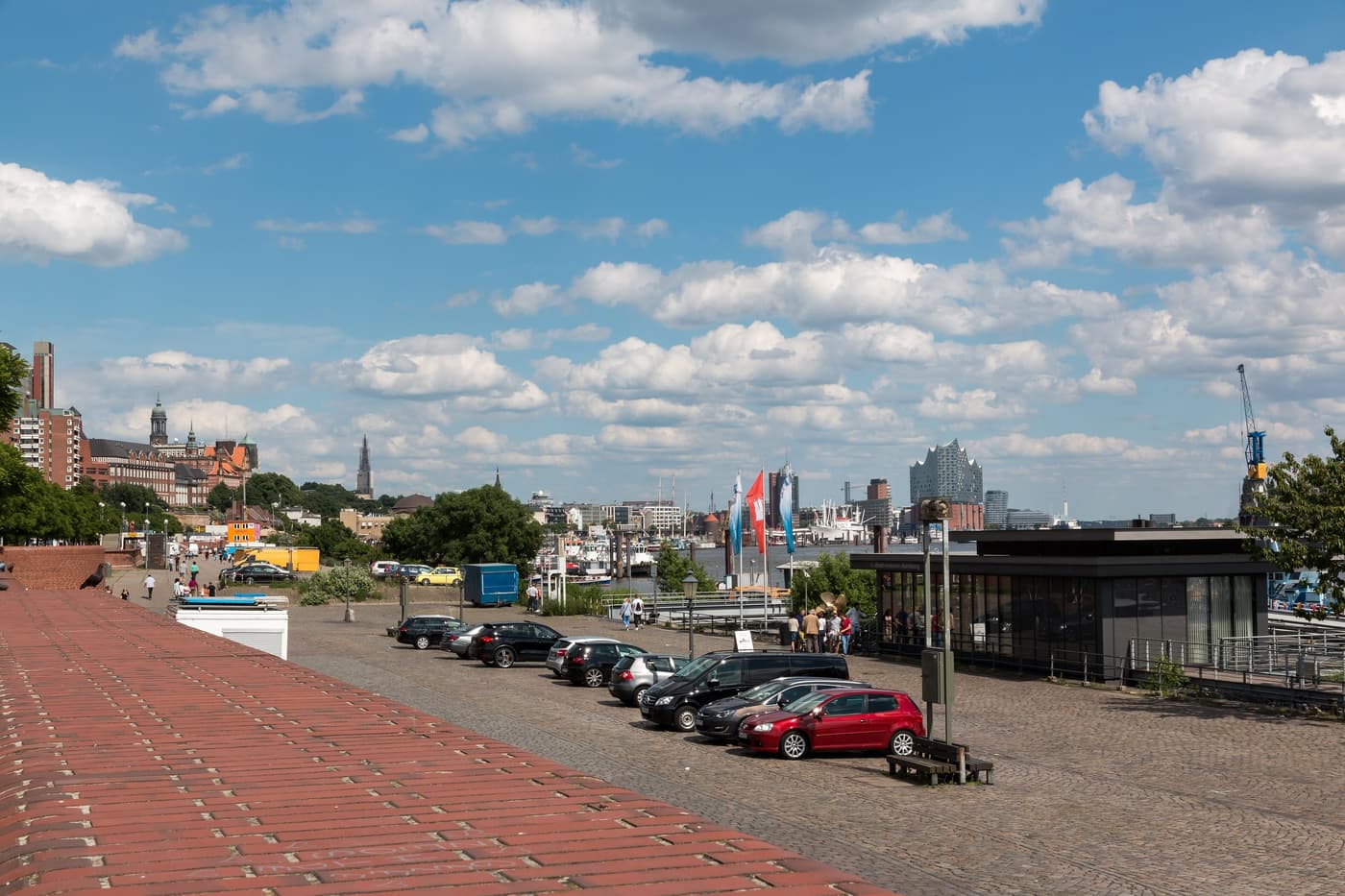
Ein Tag in Hamburg
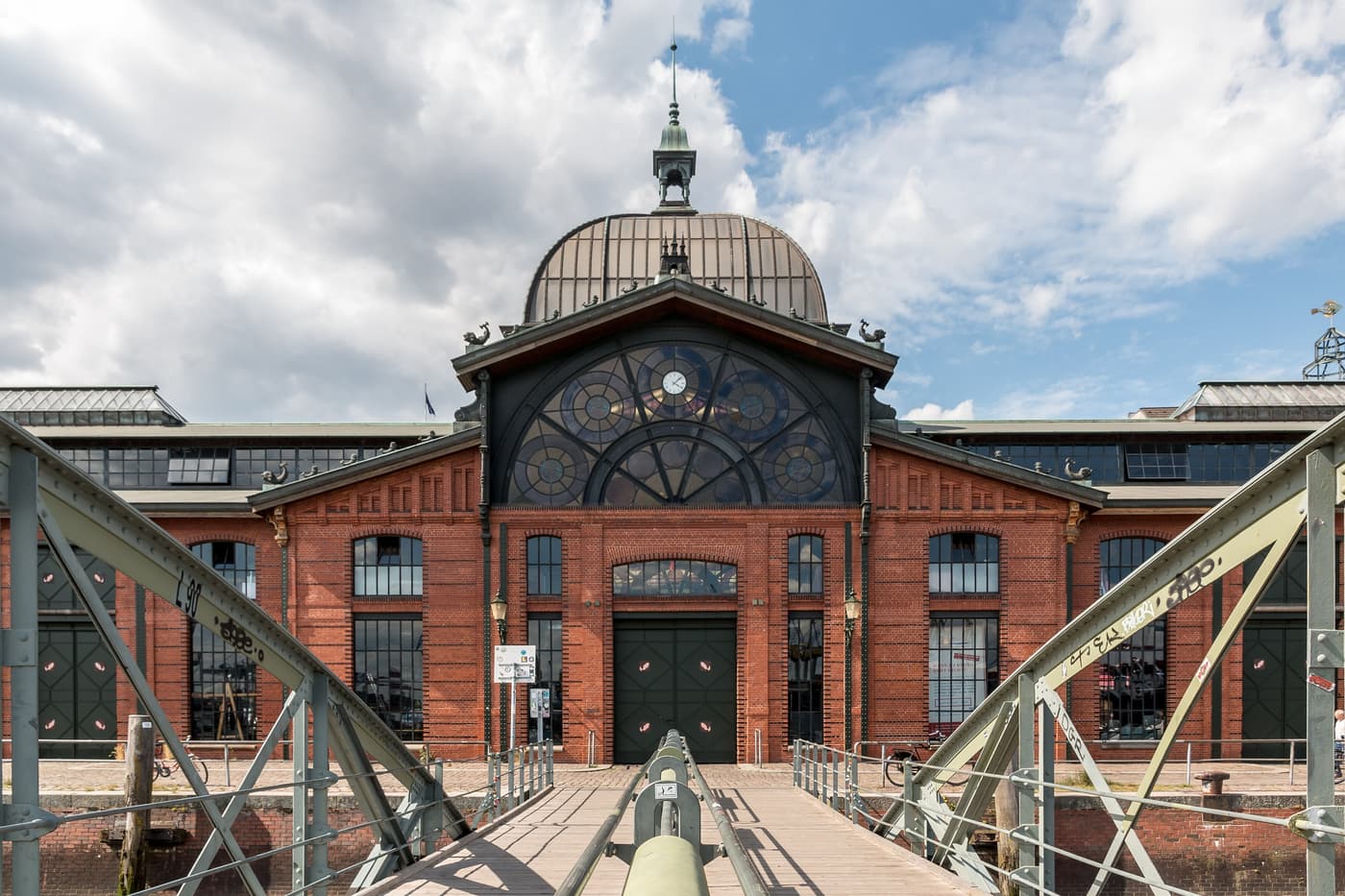
Hamburg: Fischmarkt, Elbe, Hafen
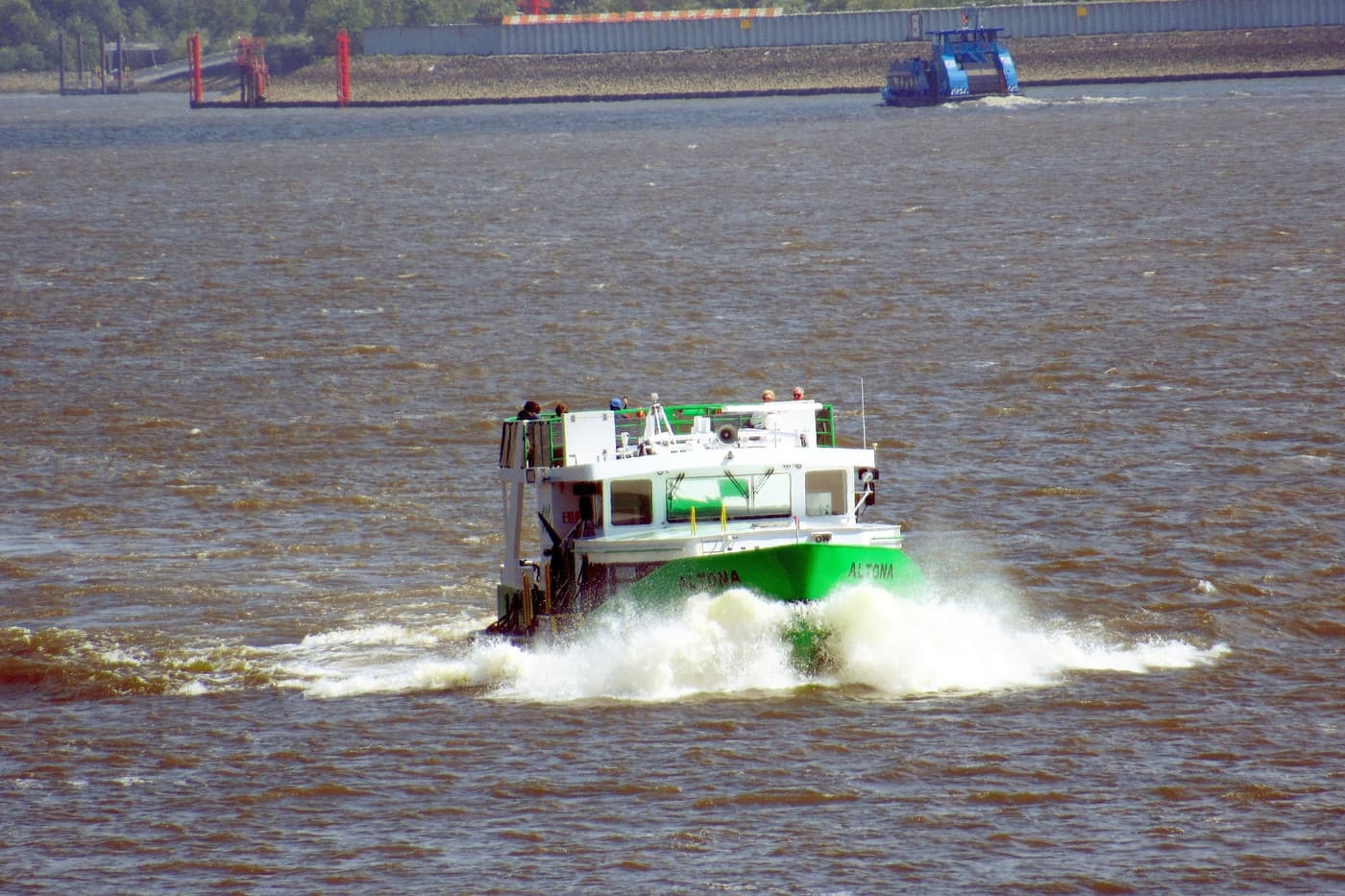
Der Hamburger Hafen vom Fischmarkt aus. Hinten: die Elbphilharmonie.
- Was siehst du: ein Schiff, einen Kran, ein Auto?
- Ist es Morgen oder Abend?
- Was machst du am Sonntag um fünf Uhr morgens?
Auch in Hamburg · also in Hamburg
 der Morgen no plural morning
 das Frühstück pl. -e breakfast
 das Brötchen no plural bread roll
 die Arbeit pl. -en work
 das Büro pl. -s office
 das Mittagessen no plural lunch
 der Abend pl. -e evening
 das Abendessen no plural dinner
 die Nacht die Nächte night
 der Wecker no plural alarm clock
 die Dusche pl. -n shower
 die Freizeit no plural free time
 die Fähre pl. -n ferry
 der Fisch pl. -e fish
 der Markt die Märkte market
 der Bus pl. -se bus
 der Zug die Züge train
 das Fahrrad die Fahrräder bicycle
 die Musik no plural music
 der Fußball die Fußbälle football
 das Buch die Bücher book
 der Park pl. -s park
Wörter zuerst · words first
Lesen · reading
Max und der Fischmarkt
Max, Lena's friend from England, lives in Hamburg. On Sunday he does something strange: he gets up at half past four.
Max wohnt in Hamburg und arbeitet im Büro. Am Montag ist der Tag normal: Der Wecker klingelt um sieben. Max duscht, trinkt Kaffee und isst ein Brötchen. Dann fährt er mit dem Fahrrad zur Arbeit. Er arbeitet von neun bis fünf. Am Abend kocht er Pasta, hört Musik und liest ein Buch. Um elf schläft er.
Am Sonntag ist alles anders. Der Wecker klingelt um halb fünf. Max fährt mit dem Bus zum Fischmarkt. Der Markt öffnet um fünf. Es ist dunkel, aber da sind schon tausend Leute. Sie kaufen Fisch, Obst und Blumen. In der Halle spielt eine Band, und die Leute trinken Bier. Um sechs Uhr morgens!
Max kauft ein Fischbrötchen und sieht die Schiffe. Dann nimmt er die Fähre über die Elbe. Um neun ist er wieder zu Hause. Er schläft bis zwölf. „Der Fischmarkt“, sagt Max, „ist mein Sonntag.“
English · Max lives in Hamburg and works in an office. On Monday the day is normal: the alarm rings at seven. Max showers, drinks coffee and eats a roll. Then he rides his bike to work. He works from nine to five. In the evening he cooks pasta, listens to music and reads a book. At eleven he sleeps. · On Sunday everything is different. The alarm rings at half past four. Max takes the bus to the fish market. The market opens at five. It is dark, but there are already a thousand people. They buy fish, fruit and flowers. In the hall a band plays, and people drink beer. At six in the morning! · Max buys a fish roll and watches the ships. Then he takes the ferry across the Elbe. At nine he is home again. He sleeps till twelve. “The fish market,” says Max, “is my Sunday.”
Montag oder Sonntag?
Circle the day.
- Der Wecker klingelt um sieben: Montag/Sonntag
- Max fährt mit dem Bus: Montag/Sonntag
- Max kocht Pasta: Montag/Sonntag
- Max nimmt die Fähre: Montag/Sonntag
- Max schläft bis zwölf: Montag/Sonntag
- Max fährt Fahrrad: Montag/Sonntag
Was macht Max?
Find the verb in the text and write the sentence.
- am Morgen, Kaffee →
- am Abend, ein Buch →
- am Sonntag, ein Fischbrötchen →
Schreib mit! · your turn
Copy the two sentences of the text you want to remember, then write one of your own in the same shape.
Grammatik · 1 of 2
Verben im Präsens
Stem plus ending: one pattern for almost every verb
Stem + endingwohnen → wohn- → wohne. wir and sie always look like the infinitive.
| who | ending | wohnen | kommen | machen |
|---|---|---|---|---|
| ich | -e | wohne | komme | mache |
| du | -st | wohnst | kommst | machst |
| er · sie · es | -t | wohnt | kommt | macht |
| wir | -en | wohnen | kommen | machen |
| ihr | -t | wohnt | kommt | macht |
| sie · Sie | -en | wohnen | kommen | machen |
Stem + endingAfter -t or -d an e slips in.
| wohne | = | wohne | ich |
| wohnst | = | wohnst | du |
| wohnt | = | wohnt | er · sie · es |
| arbeitest | = | arbeitest | du — with an extra e |
Mini-Check
Circle the right word.
- du wohnst/wohnt
- er arbeitet/arbeitt
- wir lernen/lernt
- ich koche/kocht
- ihr spielt/spielen
- du arbeitest/arbeitst
Schreib mit! · your turn
Write three sentences of your own with the rule of this page. Use words from the word page.
Grammatik · 2 of 2
du fährst, er isst
Eight verbs that change their vowel, only for du and er
Only du and er changeThe endings are the usual ones. Only the vowel moves.
| fährst | = | du fährst | fahren: a → ä |
| sprichst | = | du sprichst | sprechen: e → i |
| liest | = | du liest | lesen: e → ie |
| fahren | = | wir fahren | wir, ihr, sie: no change |
The eight verbsa → ä · e → i · e → ie
| in English | verb | du | er · sie · es |
|---|---|---|---|
| to drive, ride | fahren | fährst | fährt |
| to sleep | schlafen | schläfst | schläft |
| to speak | sprechen | sprichst | spricht |
| to eat | essen | isst | isst |
| to take | nehmen | nimmst | nimmt |
| to give | geben | gibst | gibt |
| to read | lesen | liest | liest |
| to see | sehen | siehst | sieht |
Mini-Check
Circle the right word.
- Max fährt/fahrt Bus.
- Du isst/esst Brot.
- Ihr lest/liest viel.
- Er schläft/schlaft viel.
- Sie liest/lest ein Buch.
- Wir essen/isst Brot.
Schreib mit! · your turn
Write three sentences of your own with the rule of this page. Use words from the word page.
Lesen im Alltag · reading the real thing
Die Fischauktionshalle am Sonntagmorgen. Was machen die Leute?
A real Sunday at six in the morning. Look at the people and say what they do, with the verbs of this chapter.
Was machen sie?
Circle the verb that fits the photo.
- Die Leute sitzen/schlafen an Tischen.
- Sie trinken/lesen Bier und Kaffee.
- Die Band spielt/kocht Musik.
- Ein Mann isst/fährt ein Fischbrötchen.
Und du?
Answer with ich.
- Was trinkst du am Morgen? – Ich trinke .
- Was isst du am Sonntag? – Ich esse .
- Wann schläfst du? – Ich schlafe um .
Mein Sonntag
Write three things you do on Sunday, with a time of day.
- Am Morgen .
- Am Nachmittag .
- Am Abend .
Schreib mit! · your turn
Write down every German word you can read on the photo, with its article if it is a noun.
Übungen · practise 1 of 2
Ein Tag in Hamburg
The right ending
Write the verb with its ending.
- ich (lernen)
- du (spielen)
- er (kochen)
- wir (hören)
- ihr (kaufen)
- sie (trinken)
- du (arbeiten)
- er (arbeiten)
Complete the sentences
Use the verb in brackets.
- Ich in Berlin. (wohnen)
- Was du heute? (machen)
- Lena gern Fußball. (spielen)
- Wir Deutsch. (lernen)
- ihr Kaffee? (trinken)
- Max Musik. (hören)
Who is cooking?
Draw a line from each person to the right form.
- ich
- du
- er
- wir
- kochst
- kochen
- koche
- kocht
du changes
Write the du-form.
- fahren
- schlafen
- sprechen
- essen
- nehmen
- geben
- lesen
- sehen
Schreib mit! · your turn
Pick five words from this chapter and write one sentence with each.
Übungen · practise 2 of 2
Ein Tag in Hamburg
Complete the sentences
Use the verb in brackets. Careful: not every form changes.
- Max gern Bus. (fahren)
- Was du? (lesen)
- Lena Deutsch und Englisch. (sprechen)
- Er viel. (essen)
- Ich das Buch. (nehmen)
- Wir gern. (lesen)
Which form?
Circle the right word.
- Du fährst/fahrst Fahrrad.
- Er nimmt/nehmt das Buch.
- Ich lese/lies gern.
- Ihr esst/isst Brot.
- Sie schläft/schlaft viel.
- Wir sprechen/sprichen Deutsch.
Your week
Write about yourself.
- Ich lerne .
- Ich spiele gern .
- Ich trinke gern .
Bilder-Check
Write each word with der, die or das. No peeking at the word page.
Schreib mit! · your turn
Write what you got wrong on these two pages, correctly, once each.
Hören, sprechen, können
Ein Tag in Hamburg
Lena's text about herself, read aloud, and every line of Max's day. Listen, then tell your own Monday out loud, verb by verb.
languagequiz.org/b/a1-14Open the code and tell the tutor your day: when you get up, what you eat, where you work, what you do in the evening. It asks what Max does, with du. Three minutes.
languagequiz.org/b/a1-31The chapter's exercise with instant correction and the medal ladder.
languagequiz.org/b/a1-16Ich kann … · I can
- say what I do in the morning, at noon and in the evening
- put the right ending on any regular verb
- use the eight vowel-change verbs with du and er
- read a short text about someone's day and say what they do
Done? Tick what you can, circle what you got wrong on the practice pages, and come back to those in a week. The answers are on page 124.
Meine Notizen · my notes
Bildwörterbuch · picture dictionary
Ein Tag in Hamburg
Every pictured word of this chapter on one page. Cover the words, say them from the pictures; cover the pictures, draw them from the words.
- der Morgen no plural morning
- das Frühstück pl. -e breakfast
- das Brötchen no plural bread roll
- die Arbeit pl. -en work
- das Büro pl. -s office
- das Mittagessen no plural lunch
- der Abend pl. -e evening
- das Abendessen no plural dinner
- die Nacht die Nächte night
- der Wecker no plural alarm clock
- die Dusche pl. -n shower
- die Freizeit no plural free time
 der Hafen die Häfen harbour
 das Schiff pl. -e ship
- die Fähre pl. -n ferry
- der Fisch pl. -e fish
- der Markt die Märkte market
- der Bus pl. -se bus
- der Zug die Züge train
- das Fahrrad die Fahrräder bicycle
- die Musik no plural music
- der Fußball die Fußbälle football
- das Buch die Bücher book
- der Park pl. -s park
Wo bist du?
Köln: Dom, Rhein, Kölsch
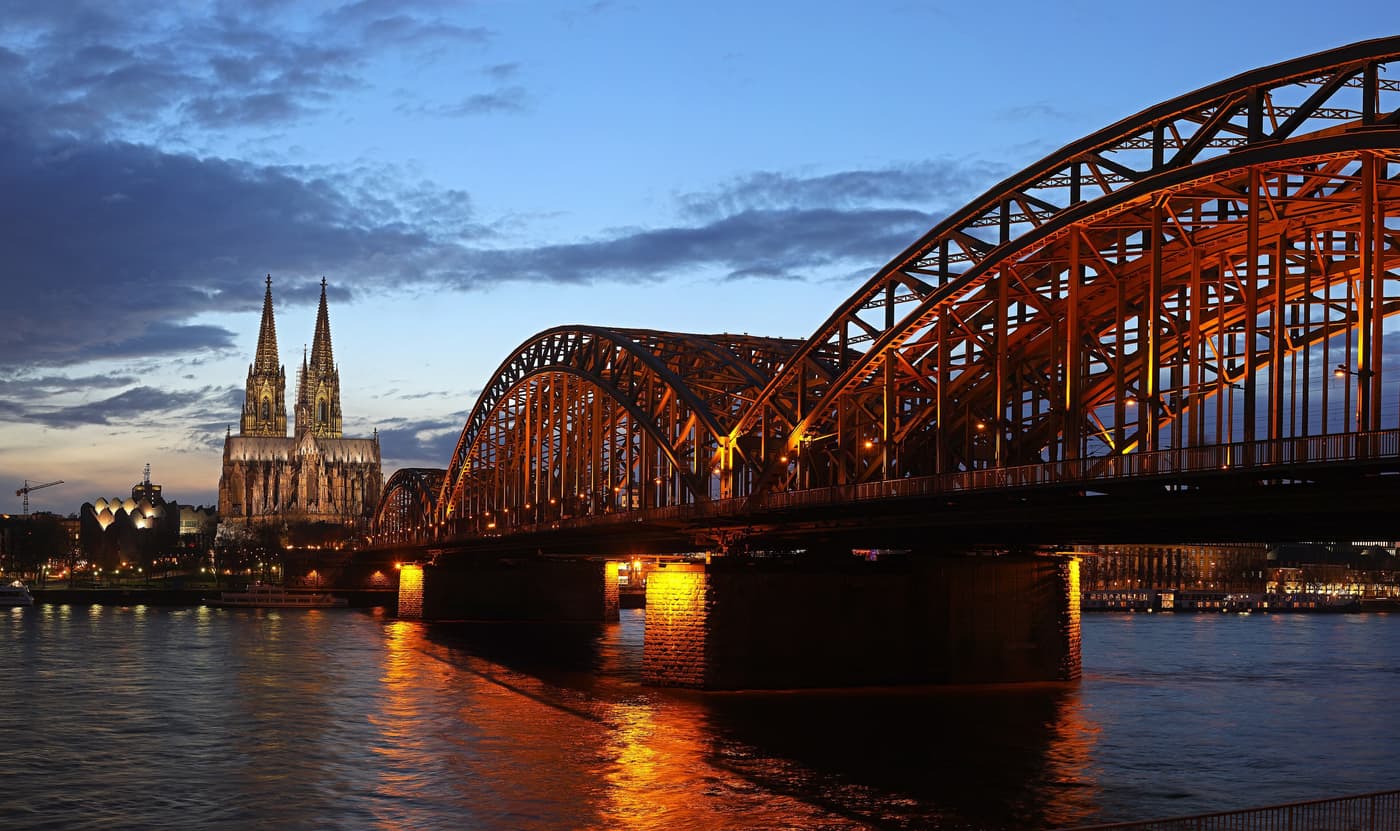
Die Hohenzollernbrücke am Abend. Hinter der Brücke: der Dom. Unter der Brücke: der Rhein.
- Was ist das: eine Brücke, ein Turm, ein Bahnhof?
- Ist es Tag oder Nacht?
- Wo bist du jetzt? Zu Hause, im Café, im Zug?
Auch in der Stadt · also in the city
- die Stadt die Städte city
 das Zentrum die Zentren centre
 der Platz die Plätze square
 der Dom pl. -e cathedral
 die Kirche pl. -n church
 der Turm die Türme tower
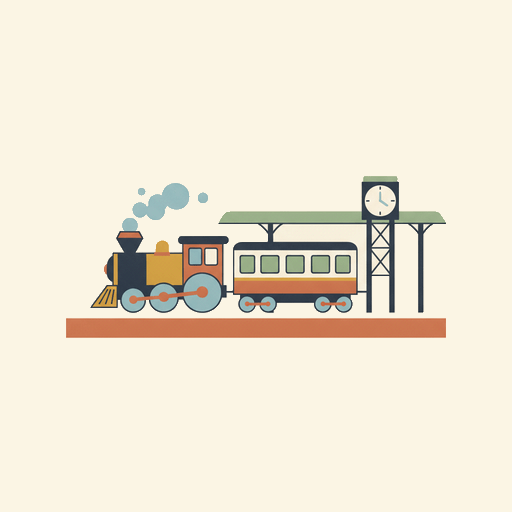 der Bahnhof die Bahnhöfe station
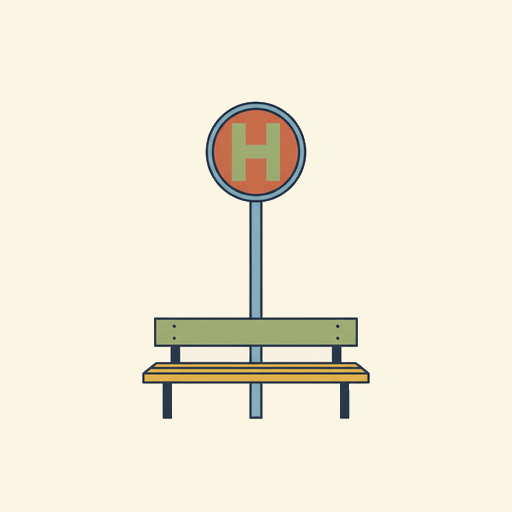 die Haltestelle pl. -n stop
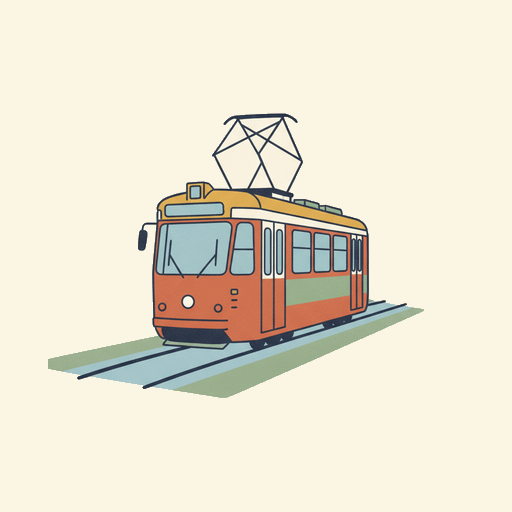 die Straßenbahn pl. -en tram
 die U-Bahn pl. -en underground
 das Museum die Museen museum
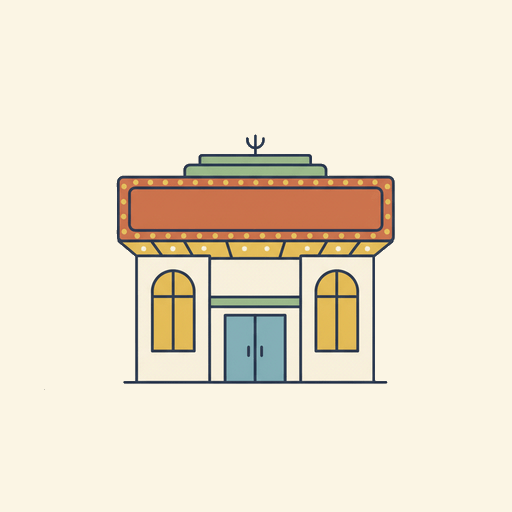 das Kino pl. -s cinema
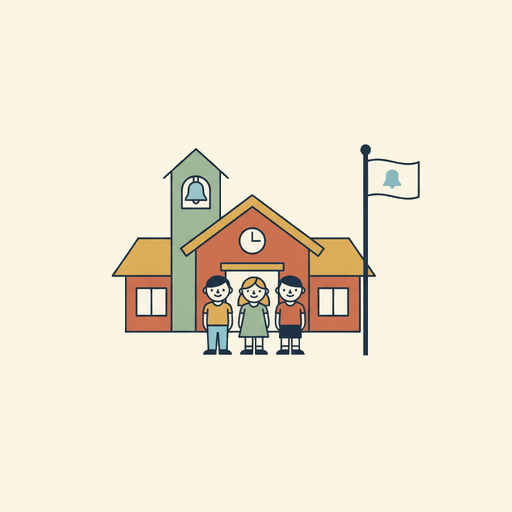 die Schule pl. -n school
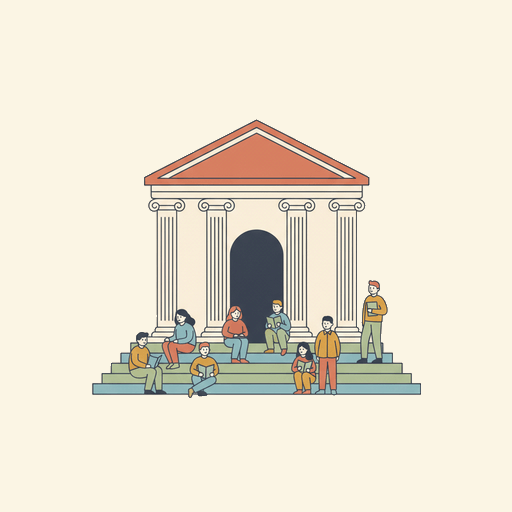 die Uni pl. -s university
- das Büro pl. -s office
 der Arzt die Ärzte doctor
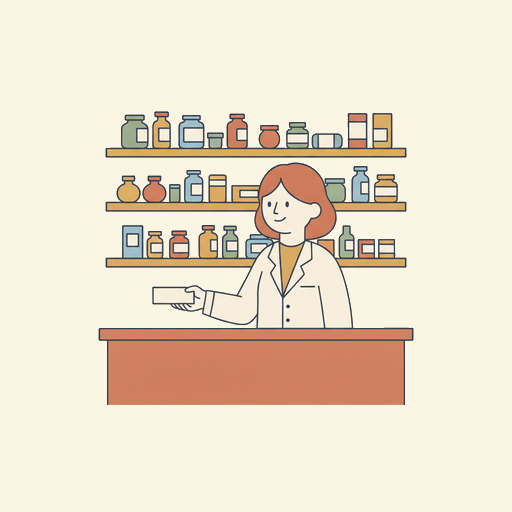 die Apotheke pl. -n pharmacy
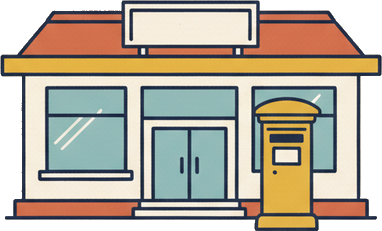 die Post no plural post office
 die Bank pl. -en bank
 das Hotel pl. -s hotel
 das Restaurant pl. -s restaurant
 der Supermarkt die Supermärkte supermarket
- der Park pl. -s park
 das Ticket pl. -s ticket
 der Stadtplan die Stadtpläne city map
Wörter zuerst · words first
Lesen · reading
Ein Tag in Köln
Maya takes the train to Cologne for a day. Lena has written her a list: four places, in order. Maya loses the list at the station.
Maya Entschuldigung, wo ist der Dom?
Frau Der Dom? Sie sind am Bahnhof. Der Dom ist direkt hier, hinter dem Bahnhof. Sehen Sie die Türme?
Maya Oh. Ja. Danke! Und die Brücke mit den Schlössern?
Frau Die Hohenzollernbrücke. Die ist neben dem Dom, am Rhein. Fünf Minuten.
Maya Und ein Brauhaus? Lena sagt, ich muss Kölsch trinken.
Frau Die Brauhäuser sind in der Altstadt, am Fluss. Gehen Sie über die Brücke und dann links. Sind Sie aus England?
Maya Aus Kanada. Ich wohne in Berlin.
Frau Berlin! Dann wissen Sie: In Köln ist das Bier klein, aber die Leute sind groß.
Maya Wie bitte?
Frau Ein Witz. Das Glas hat nur 0,2 Liter. Viel Spaß in Köln!
Am Abend schreibt Maya an Lena: „Ich bin im Brauhaus. Der Dom ist groß, die Brücke ist voll, und das Bier ist wirklich klein. Das dritte Glas ist auf dem Tisch. Oder das vierte.“
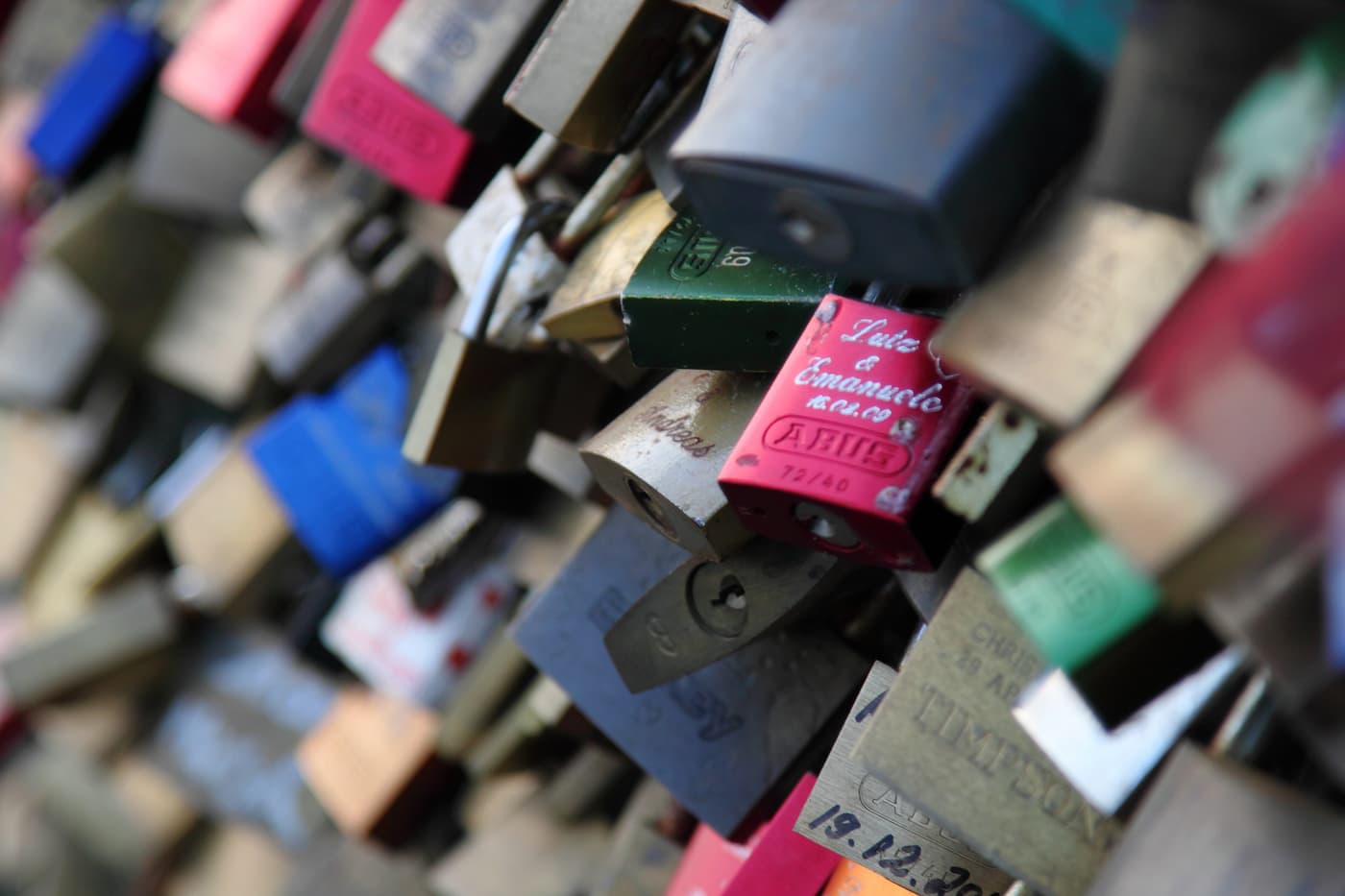
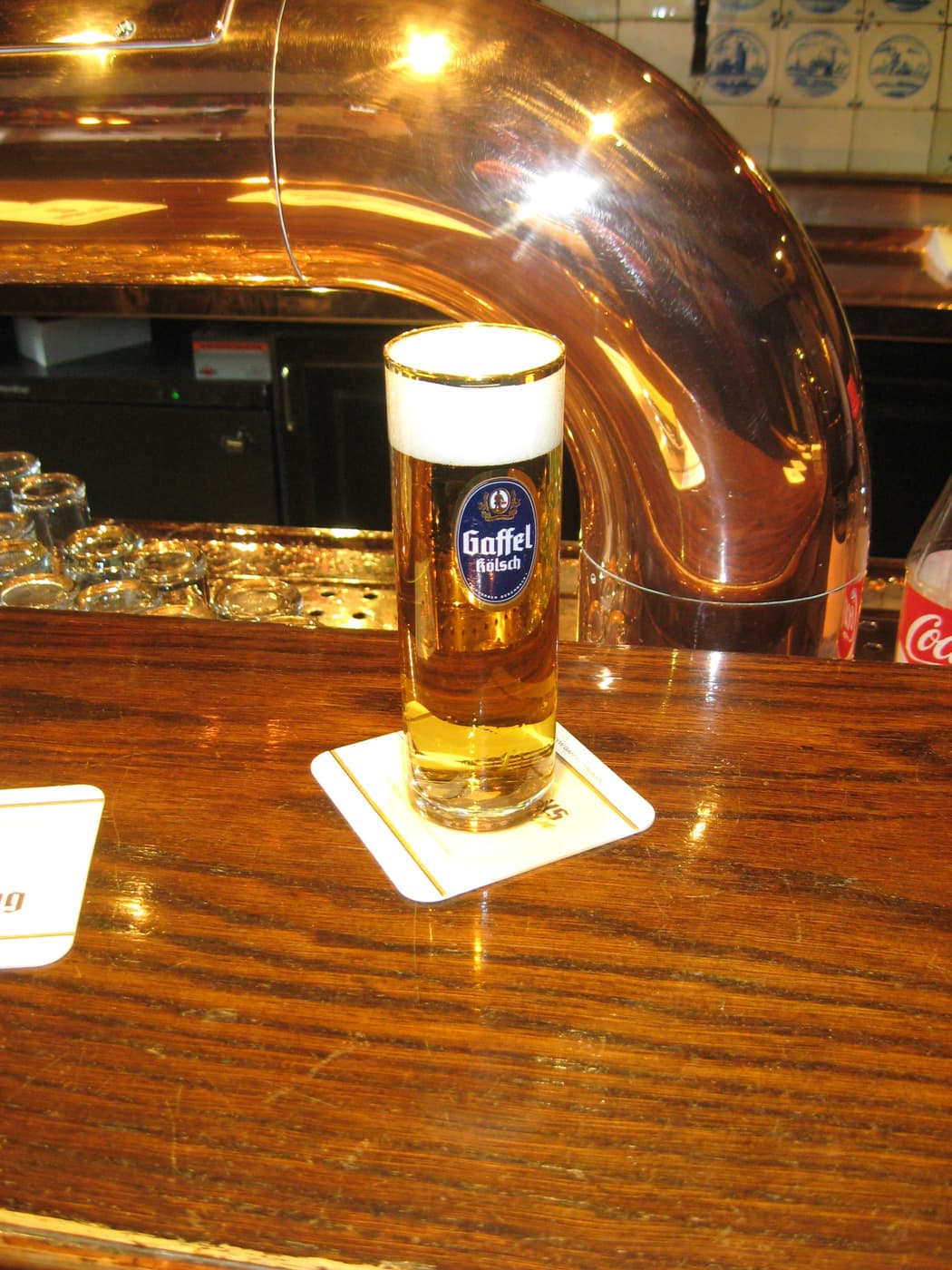
English · Maya: Excuse me, where is the cathedral? · Woman: The cathedral? You're at the station. The cathedral is right here, behind the station. Do you see the towers? · Maya: Oh. Yes. Thanks! And the bridge with the padlocks? · Woman: The Hohenzollern Bridge. It's next to the cathedral, on the Rhine. Five minutes. · Maya: And a brewery pub? Lena says I have to drink Kölsch. · Woman: The brewery pubs are in the old town, by the river. Go over the bridge and then left. Are you from England? · Maya: From Canada. I live in Berlin. · Woman: Berlin! Then you know: in Cologne the beer is small, but the people are big. · Maya: Pardon? · Woman: A joke. The glass holds only 0.2 litres. Have fun in Cologne! · In the evening Maya writes to Lena: “I'm in the brewery pub. The cathedral is big, the bridge is full, and the beer really is small. The third glass is on the table. Or the fourth.”
Wo ist das?
Circle what the woman says.
- Der Dom ist hinter dem Bahnhof/neben der Brücke .
- Die Brücke ist am Rhein/in der Altstadt .
- Die Brauhäuser sind im Bahnhof/in der Altstadt .
- Am Abend ist Maya im Brauhaus/im Dom .
Fragen
Answer in a few words.
- Woher kommt Maya?
- Wie groß ist ein Kölsch?
- Wie viele Gläser hat Maya am Abend?
Schreib mit! · your turn
Copy the two sentences of the text you want to remember, then write one of your own in the same shape.
Grammatik · 1 of 2
im, in der, am, beim
Where you are: in, an, bei, and the little word that follows
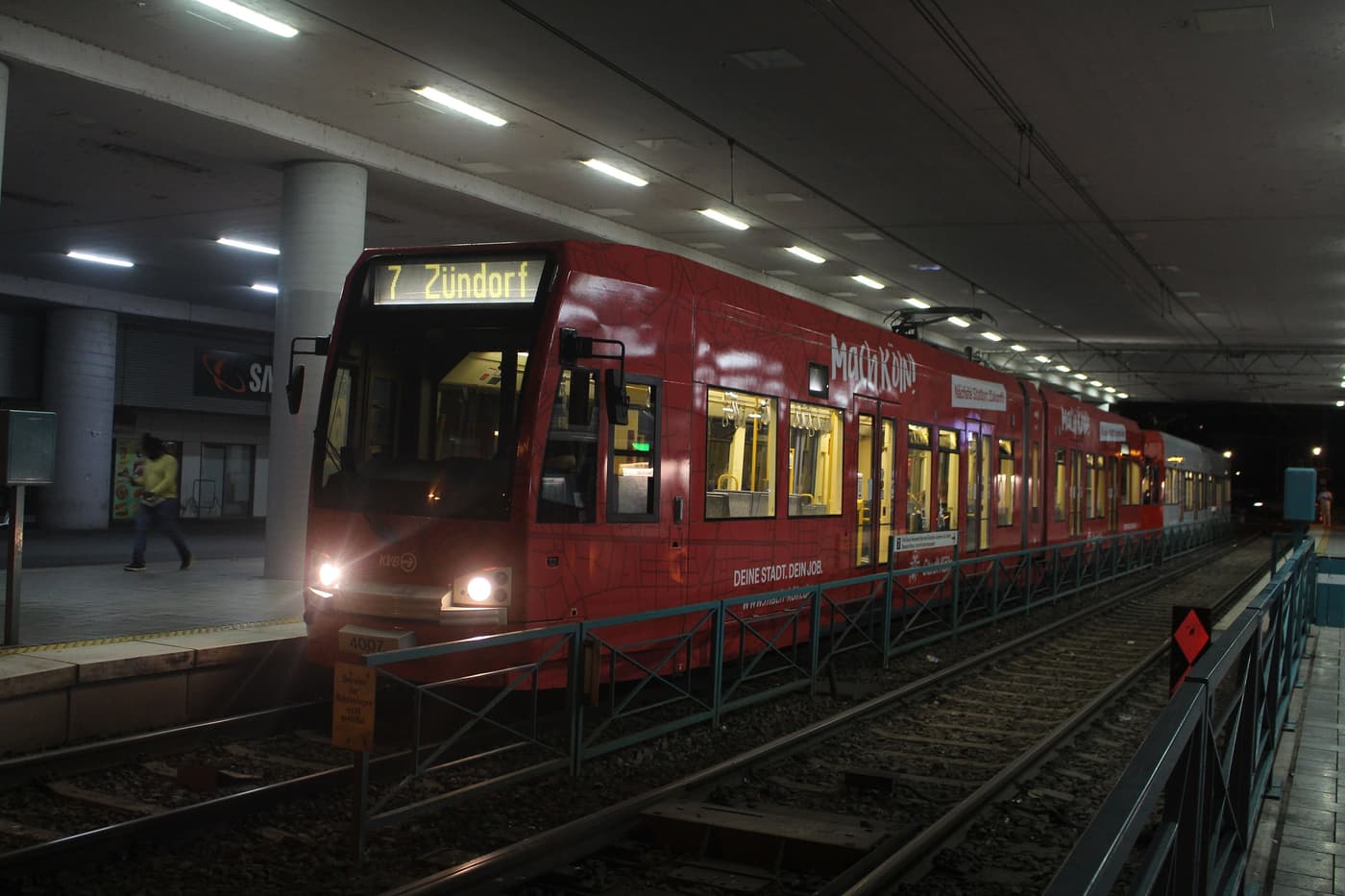
Where are you?im = in dem · am = an dem · beim = bei dem.
| der · das word | die word | |
|---|---|---|
| in (inside) | im Park · im Büro · im Kino | in der Schule · in der Stadt |
| an (at) | am Bahnhof | an der Uni |
| bei (at someone’s) | beim Arzt | bei Lena (a person) |
| towns, countries | in Berlin · in Spanien |
Hear an -m? That’s demSo it goes with a der- or das-word.
| indem | = | im | im Park |
| andem | = | am | am Bahnhof |
| beidem | = | beim | beim Arzt |
Mini-Check
Circle the right word.
- Ich bin im/in der Park.
- Lena ist im/in der Stadt.
- Max ist am/beim Arzt.
- Wir sind im/in der Kino.
- Ich bin am/an der Uni.
- Sie ist bei/beim Lena.
Schreib mit! · your turn
Write three sentences of your own with the rule of this page. Use words from the word page.
Grammatik · 2 of 2
Wo? Woher? Wohin?
Three kinds of where, and the directions
Three questions, three answerswo = a place you are in; woher = the place you come from; wohin = the place you are going to.
| question | answer | the word |
|---|---|---|
| Wo bist du? | In Köln. Im Park. Am Rhein. | in · an · bei |
| Woher kommst du? | Aus Kanada. Aus Berlin. | aus |
| Wohin fährst du? | Nach Köln. Nach Hause. | nach |
Nach dem Weg fragen · asking the way
- Entschuldigung, wo ist …?
- Excuse me, where is …?
- Gehen Sie geradeaus.
- Go straight on.
- Dann links. · Dann rechts.
- Then left. · Then right.
- über die Brücke
- over the bridge
- Das ist fünf Minuten.
- It's five minutes.
- Vielen Dank!
- Thanks a lot!
Mini-Check
Circle the right word.
- Wo/Woher kommst du?
- Ich fahre nach/in Köln.
- Gehen Sie geradeaus/gerade .
- Wohin/Wo wohnst du?
- Ich komme aus/nach Berlin.
- Dann rechts/rechte .
Schreib mit! · your turn
Write three sentences of your own with the rule of this page. Use words from the word page.
Lesen im Alltag · reading the real thing
Das S-Bahn-Netz Köln. Wo ist der Hauptbahnhof? Wo ist der Flughafen?
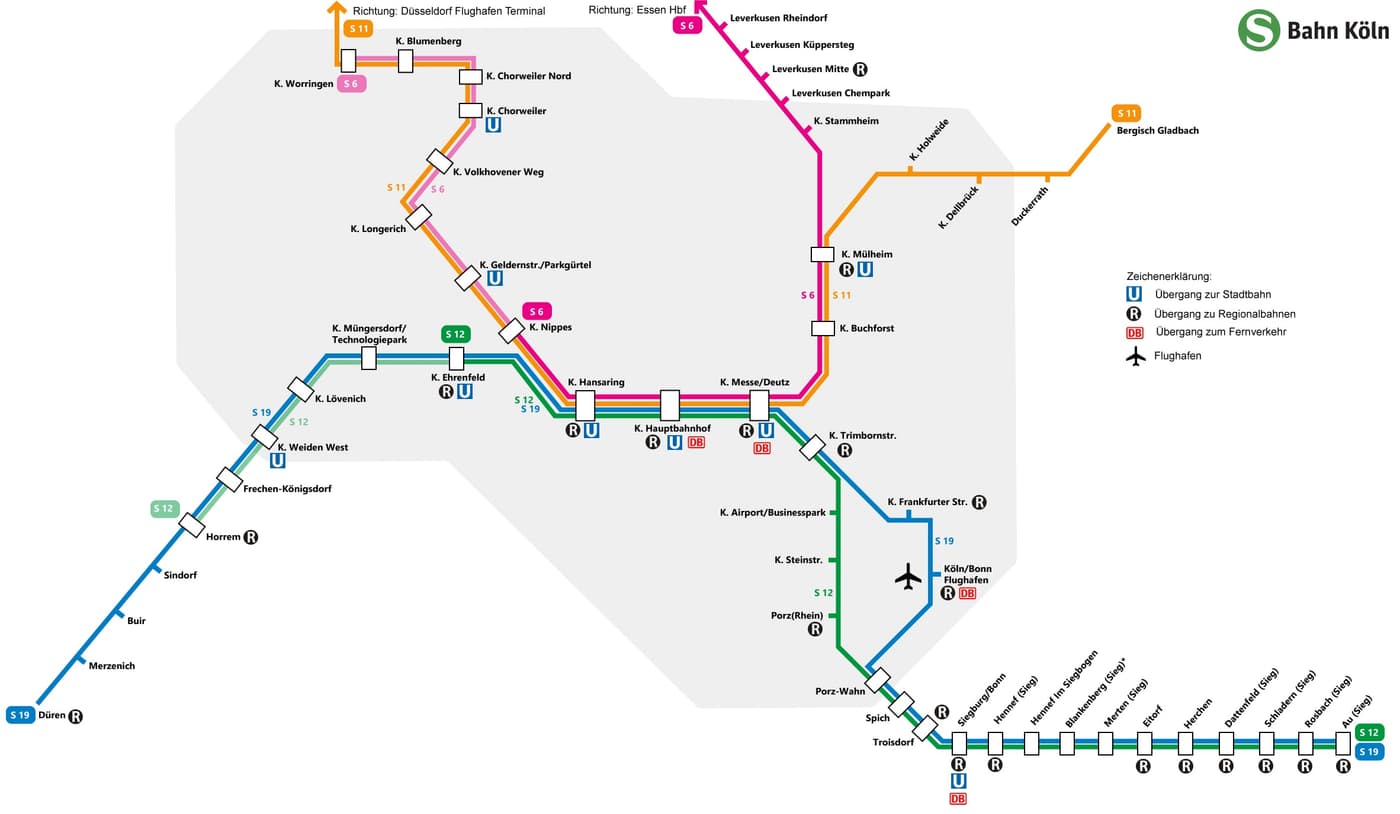
A real network map. Find the main station, the airport and the line between them. The legend (Zeichenerklärung) says what the symbols mean.
Lies den Plan
Find it on the map.
- Welche Linie fährt zum Flughafen Köln/Bonn?
- Welche Linie fährt nach Düsseldorf Flughafen?
- Die Station zwischen Hauptbahnhof und Messe/Deutz:
- Wie viele S-Bahn-Linien gibt es?
Was bedeutet das Symbol?
Read the legend. Circle the right meaning.
- Das blaue U: Übergang zur Stadtbahn/Universität
- Das Flugzeug: Flughafen/Fluss
- DB: Fernverkehr/Dom
Deine Fahrt
You are at the Hauptbahnhof and want to go to the airport. Write the line and the direction.
- Ich nehme die Richtung Flughafen.
- Ich steige aus an der Station .
Schreib mit! · your turn
Write down every German word you can read on the photo, with its article if it is a noun.
Übungen · practise 1 of 2
Wo bist du?
im or in der?
Circle the right words.
- Ich bin im/in der Büro.
- Lena ist im/in der Schule.
- Wir sind im/in der Kino.
- Er wohnt in/im Berlin.
- Ich bin am/an der Bahnhof.
- Max ist beim/bei der Arzt.
Question and answer
Draw a line from each question to its answer.
- Wie alt bist du?
- Wann kommt der Bus?
- Wer ist das?
- Was liest du?
- Wie viel kostet das?
- Das ist Lena.
- Zwei Euro.
- Ich bin zwanzig.
- Um acht.
- Ein Buch.
Wo bist du?
Write where you are, with im, in der, am or beim.
- at the cinema
- at school
- at the station
- at the doctor's
- in the park
- at the university
wo, woher oder wohin?
Circle the question word.
- Wo/Woher/Wohin bist du? – Im Büro.
- Wo/Woher/Wohin fährst du? – Nach Köln.
- Wo/Woher/Wohin kommt Maya? – Aus Kanada.
- Wo/Woher/Wohin ist der Dom? – Am Bahnhof.
Schreib mit! · your turn
Pick five words from this chapter and write one sentence with each.
Übungen · practise 2 of 2
Wo bist du?
Find the mistake
One word is wrong in each sentence. Write the sentence correctly.
- Ich bin in der Büro.
- Lena ist im Schule.
- Max ist am Arzt.
Say it in German
Write it in German.
- The cat is under the table.
- The ball is on the sofa.
Your day
Where are you?
- Am Morgen bin ich .
- Am Abend bin ich .
Bilder-Check
Write each word with der, die or das. No peeking at the word page.
Schreib mit! · your turn
Write what you got wrong on these two pages, correctly, once each.
Hören, sprechen, können
Wo bist du?
The market seller's prices and every line of Maya's day in Cologne, read aloud. Listen to the directions, then say them back: über die Brücke, dann links.
languagequiz.org/b/a1-22Open the code and tell the tutor where you are right now and where you were today: five places, with im, in der, am, beim. Then ask it the way to the station.
languagequiz.org/b/a1-15The chapter's exercise with instant correction and the medal ladder.
languagequiz.org/b/a1-29Ich kann … · I can
- name twenty places in a city
- say where I am with im, in der, am and beim
- tell wo, woher and wohin apart
- read a transport map and find my line
Done? Tick what you can, circle what you got wrong on the practice pages, and come back to those in a week. The answers are on page 124.
Meine Notizen · my notes
Bildwörterbuch · picture dictionary
Wo bist du?
Every pictured word of this chapter on one page. Cover the words, say them from the pictures; cover the pictures, draw them from the words.
- die Stadt die Städte city
- das Zentrum die Zentren centre
- der Platz die Plätze square
- der Dom pl. -e cathedral
- die Kirche pl. -n church
 die Brücke pl. -n bridge
 der Fluss die Flüsse river
- der Turm die Türme tower
- der Bahnhof die Bahnhöfe station
- die Haltestelle pl. -n stop
- die Straßenbahn pl. -en tram
- die U-Bahn pl. -en underground
- das Museum die Museen museum
- das Kino pl. -s cinema
- die Schule pl. -n school
- die Uni pl. -s university
- das Büro pl. -s office
- der Arzt die Ärzte doctor
- die Apotheke pl. -n pharmacy
- die Post no plural post office
- die Bank pl. -en bank
- das Hotel pl. -s hotel
- das Restaurant pl. -s restaurant
- der Supermarkt die Supermärkte supermarket
- der Park pl. -s park
- das Ticket pl. -s ticket
- der Stadtplan die Stadtpläne city map
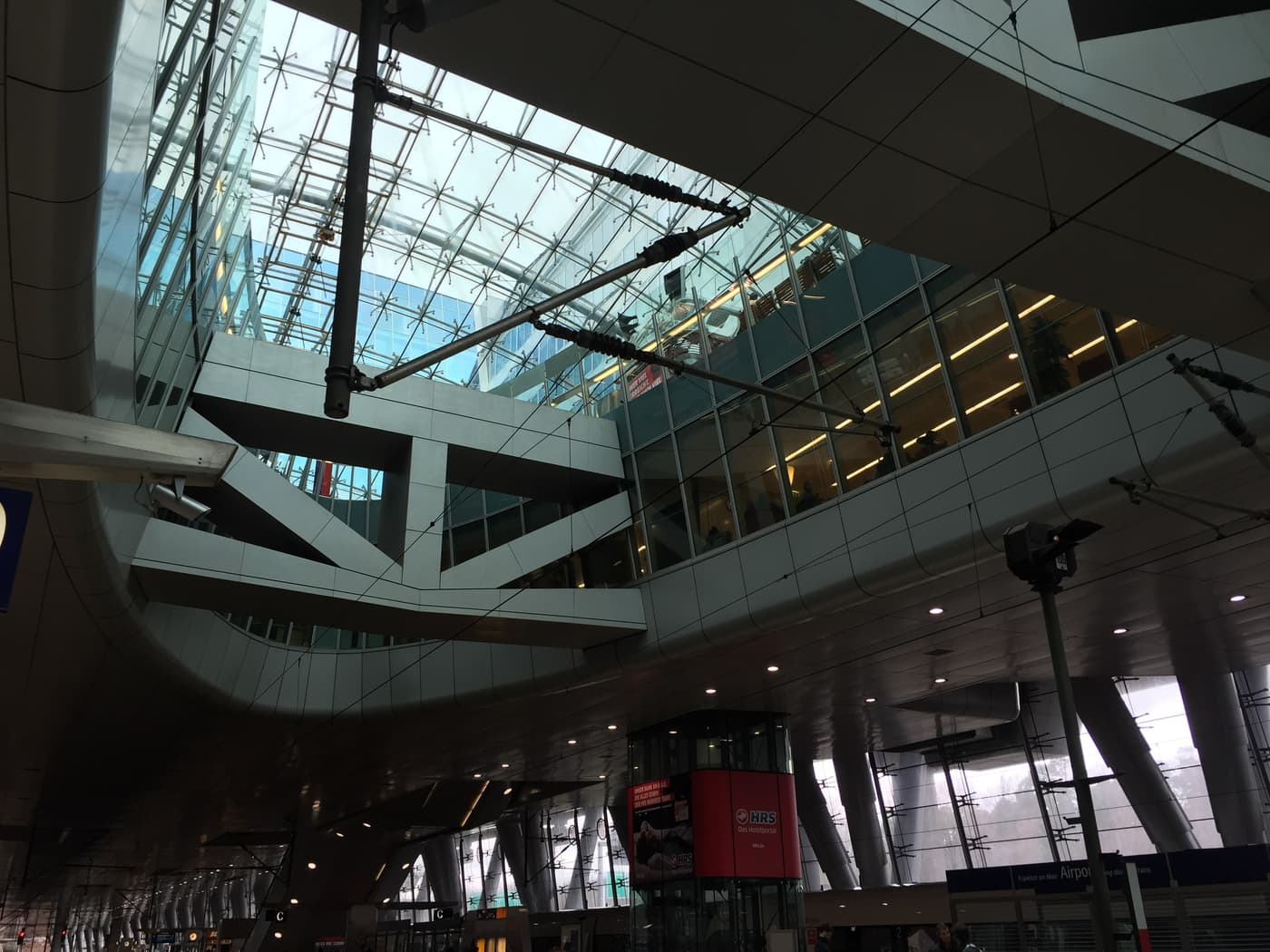
Länder und Sprachen
Flughafen Frankfurt
Der Fernbahnhof am Flughafen Frankfurt: Züge nach ganz Deutschland, Flüge in die ganze Welt.
- Ist das ein Bahnhof oder ein Flughafen?
- Was siehst du: Glas, Licht, Züge?
- Wohin fliegst du gern?
Auch am Flughafen · also at the airport
- das Land die Länder country
 die Welt pl. -en world
 die Grenze pl. -n border
 die Landkarte pl. -n map
 die Flagge pl. -n flag
 die Sprache pl. -n language
 der Norden no plural north
 der Süden no plural south
 der Osten no plural east
 der Westen no plural west
 das Meer pl. -e sea
 der Berg pl. -e mountain
 die Insel pl. -n island
 der Flughafen die Flughäfen airport
 das Flugzeug pl. -e aeroplane
 der Koffer no plural suitcase
 der Pass die Pässe passport
- das Ticket pl. -s ticket
- der Zug die Züge train
 die Bahn pl. -en railway
 der Weg pl. -e way
- die Autobahn pl. -en motorway
Wörter zuerst · words first
Lesen · reading
Am Gate B 42
Maya flies home for two weeks. At the gate she sits next to a man with a very large suitcase, and the flight is late.
Mann Entschuldigung, ist das Flug 877 nach Toronto?
Maya Ja. Aber er hat eine Stunde Verspätung.
Mann Eine Stunde! Typisch. Sind Sie aus Kanada?
Maya Ja, aus Vancouver. Aber ich wohne in Berlin. Und Sie?
Mann Ich bin aus der Türkei, aus Izmir. Ich wohne in Frankfurt, seit zwanzig Jahren. Ich fliege zu meiner Tochter. Sie wohnt in Toronto.
Maya Sprechen Sie Englisch?
Mann Ein bisschen. Türkisch, Deutsch, ein bisschen Englisch. Meine Tochter spricht vier Sprachen. Und Sie?
Maya Englisch, Französisch und ein bisschen Deutsch.
Mann Ihr Deutsch ist gut! Woher wissen Sie das: eine Stunde Verspätung?
Maya Die Tafel. Da: Toronto, 17:10, jetzt 18:10.
Mann Ah. Ich habe keine Brille. Dann trinken wir einen Kaffee. Der Kaffee hier ist aus Italien. Alles hier ist aus einem anderen Land.
Maya Auch wir.
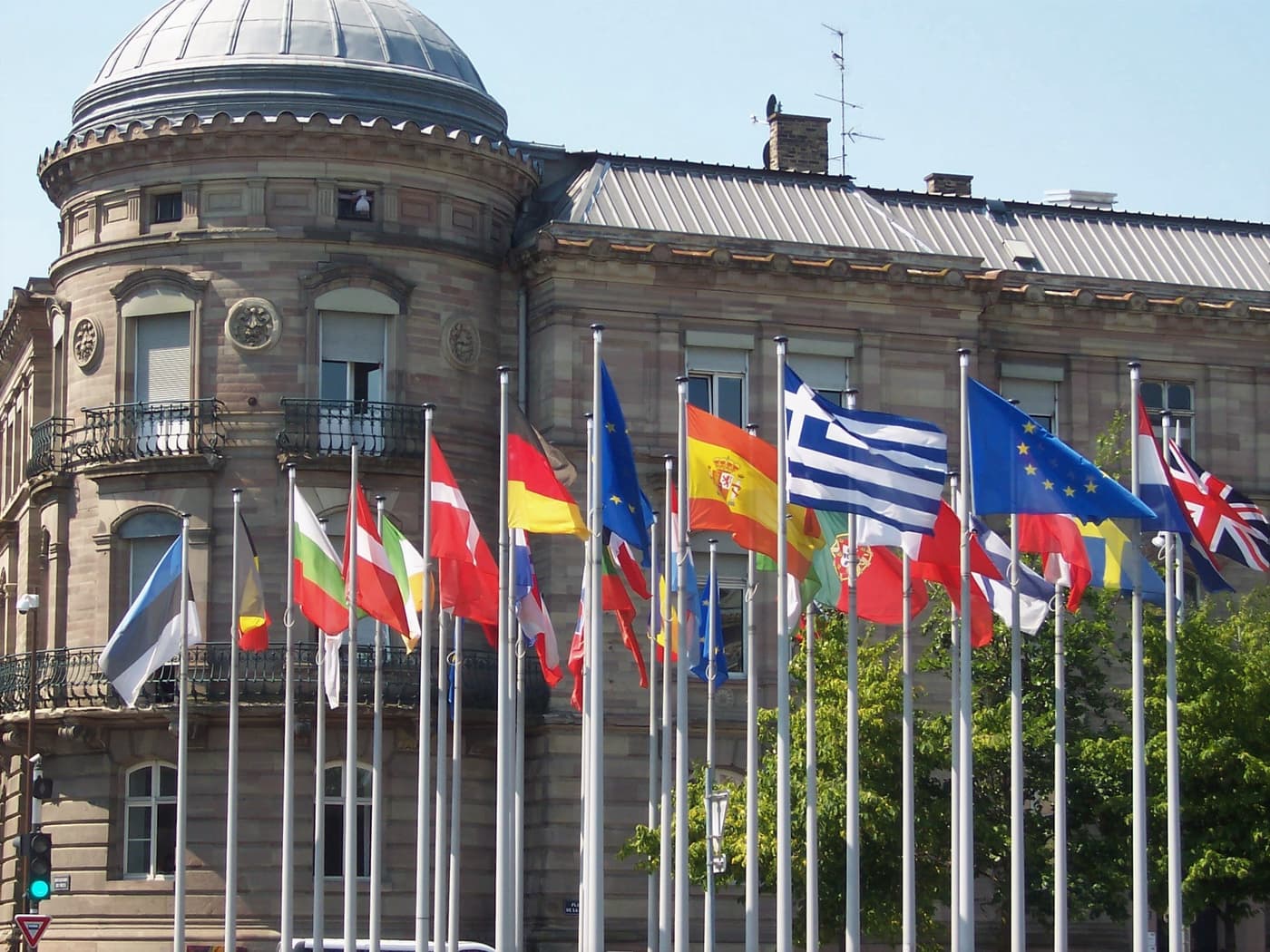
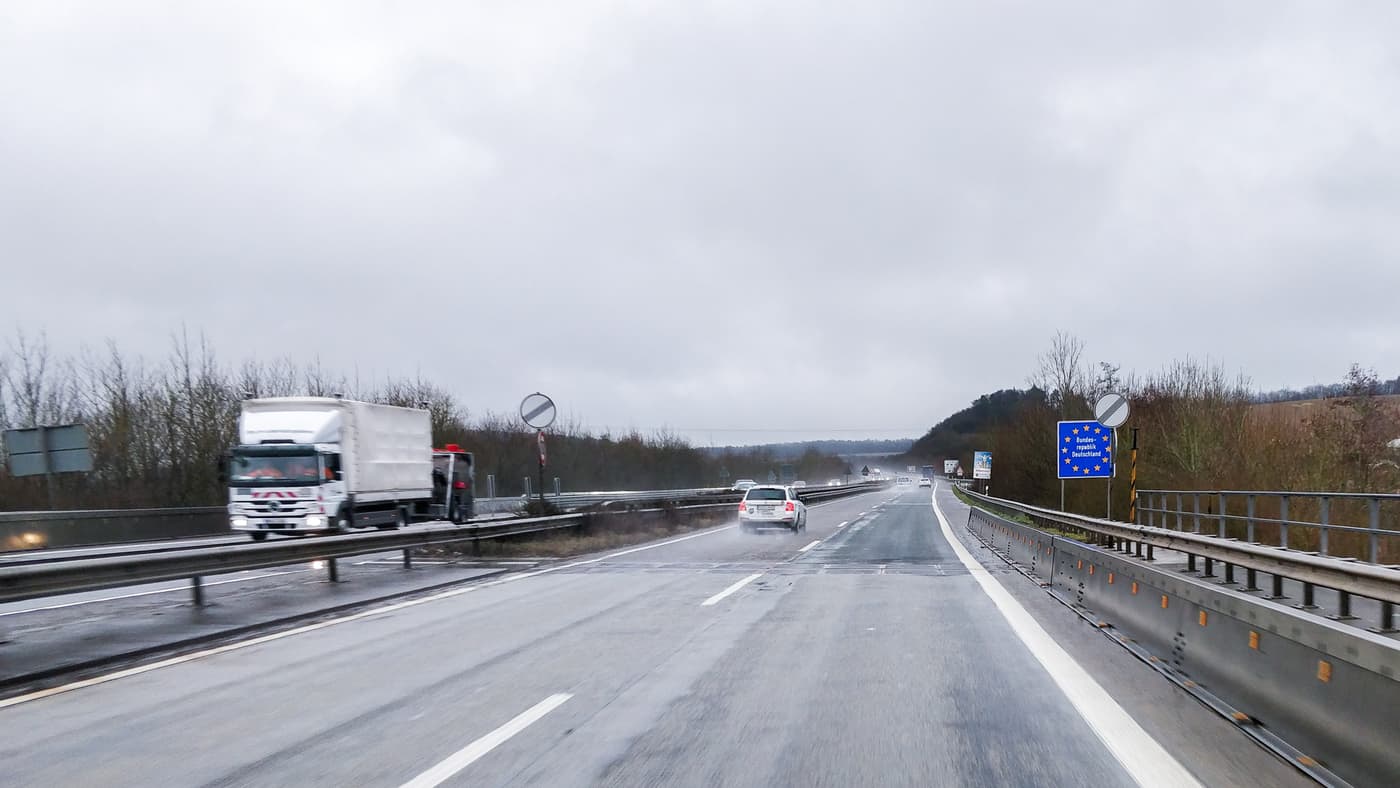
English · Man: Excuse me, is this flight 877 to Toronto? · Maya: Yes. But it's an hour late. · Man: An hour! Typical. Are you from Canada? · Maya: Yes, from Vancouver. But I live in Berlin. And you? · Man: I'm from Turkey, from Izmir. I've lived in Frankfurt for twenty years. I'm flying to my daughter. She lives in Toronto. · Maya: Do you speak English? · Man: A little. Turkish, German, a bit of English. My daughter speaks four languages. And you? · Maya: English, French and a bit of German. · Man: Your German is good! How do you know: an hour late? · Maya: The board. There: Toronto, 17:10, now 18:10. · Man: Ah. I don't have my glasses. Then let's have a coffee. The coffee here is from Italy. Everything here is from another country. · Maya: So are we.
Wer ist das?
Maya or the man? Write M or the man's country.
- Kommt aus Vancouver: Maya/der Mann
- Wohnt in Frankfurt: Maya/der Mann
- Spricht Türkisch: Maya/der Mann
- Spricht Französisch: Maya/der Mann
- Hat keine Brille: Maya/der Mann
Woher?
Write the country with aus.
- Maya kommt
- Der Mann kommt
- Der Kaffee kommt
- Die Tochter wohnt
Schreib mit! · your turn
Copy the two sentences of the text you want to remember, then write one of your own in the same shape.
Grammatik · 1 of 2
Land, Sprache, Leute
The country, its language and its people
Land, Sprache, LeuteWomen mostly add -in.
| country | language | he is … | she is … |
|---|---|---|---|
| Deutschland | Deutsch | Deutscher | Deutsche |
| Österreich | Deutsch | Österreicher | Österreicherin |
| die Schweiz | Deutsch, Französisch, Italienisch | Schweizer | Schweizerin |
| England | Englisch | Engländer | Engländerin |
| Spanien | Spanisch | Spanier | Spanierin |
| Frankreich | Französisch | Franzose | Französin |
| Italien | Italienisch | Italiener | Italienerin |
| die Türkei | Türkisch | Türke | Türkin |
| die USA | Englisch | Amerikaner | Amerikanerin |
Mini-Check
Circle the right word.
- Ich komme aus Spanien/der Spanien .
- Er kommt aus der/die Schweiz.
- Sie ist Italienerin/eine Italienerin .
- Ich spreche Deutsch/deutsch .
- Wir kommen aus den/der USA.
- Er ist Franzose/Französisch .
Schreib mit! · your turn
Write three sentences of your own with the rule of this page. Use words from the word page.
Grammatik · 2 of 2
Norden, Süden, Osten, Westen
The compass, and where things lie
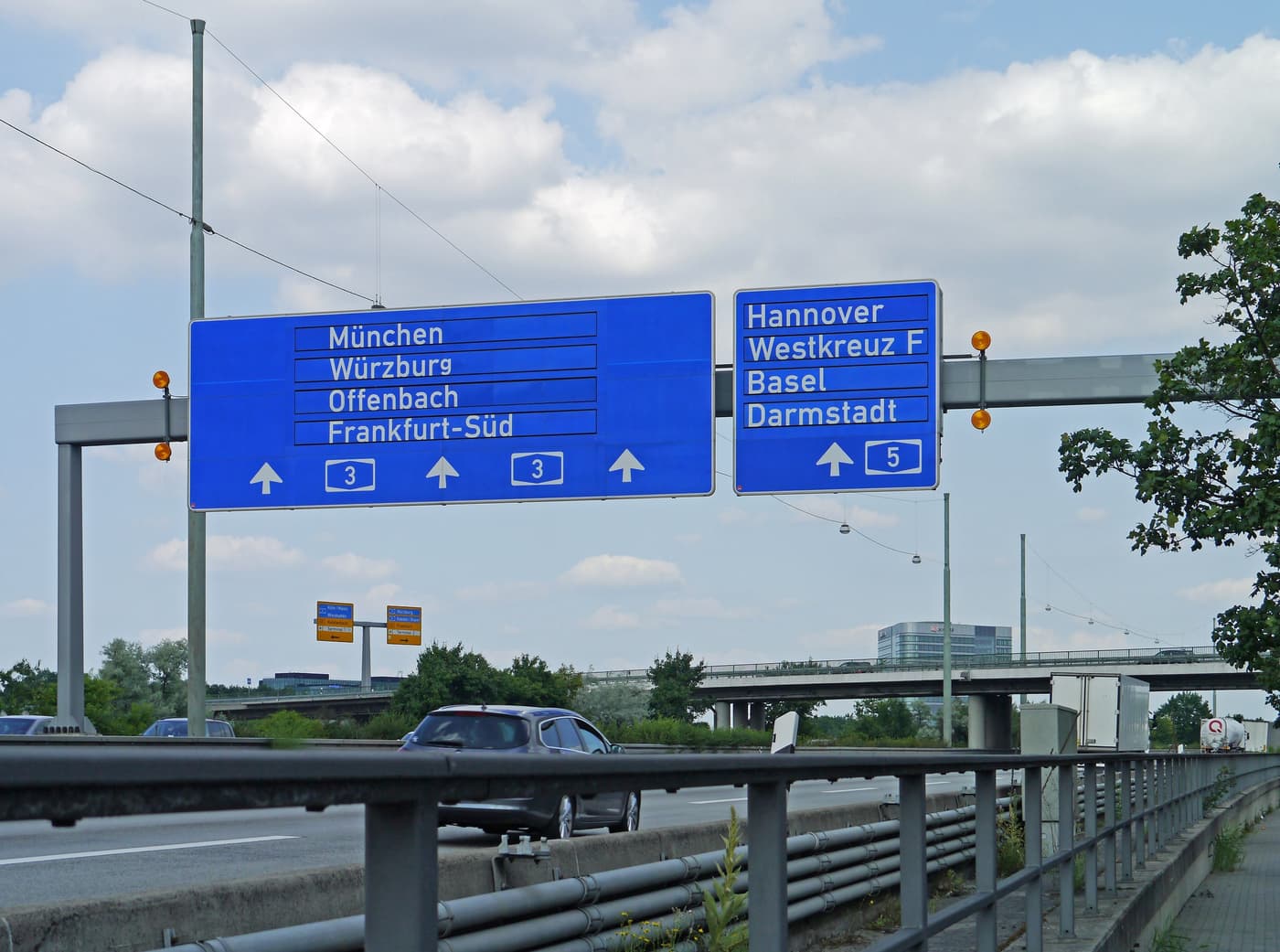
Die HimmelsrichtungenAll four are der-nouns, always with im. Two join: im Südwesten, im Nordosten.
| the noun | where | example | |
|---|---|---|---|
| N | der Norden | im Norden | Hamburg ist im Norden. |
| S | der Süden | im Süden | München ist im Süden. |
| O | der Osten | im Osten | Dresden ist im Osten. |
| W | der Westen | im Westen | Köln ist im Westen. |
Von Deutschland aus · seen from Germany
- Dänemark liegt im Norden.
- Denmark lies to the north.
- Polen liegt im Osten.
- Poland lies to the east.
- Österreich liegt im Süden.
- Austria lies to the south.
- Frankreich liegt im Westen.
- France lies to the west.
- Spanien liegt im Südwesten.
- Spain lies to the south-west.
- Die Türkei liegt im Südosten.
- Turkey lies to the south-east.
Mini-Check
Circle the right word.
- Hamburg liegt im Norden/Süden .
- München liegt im Norden/Süden .
- Polen liegt im Osten/Westen .
- Frankreich liegt im Osten/Westen .
- im Nord/Norden
- Berlin liegt/ist im Osten.
Schreib mit! · your turn
Write three sentences of your own with the rule of this page. Use words from the word page.
Lesen im Alltag · reading the real thing
Die Anzeigetafel am Flughafen Frankfurt: Wohin fliegen die Flugzeuge?
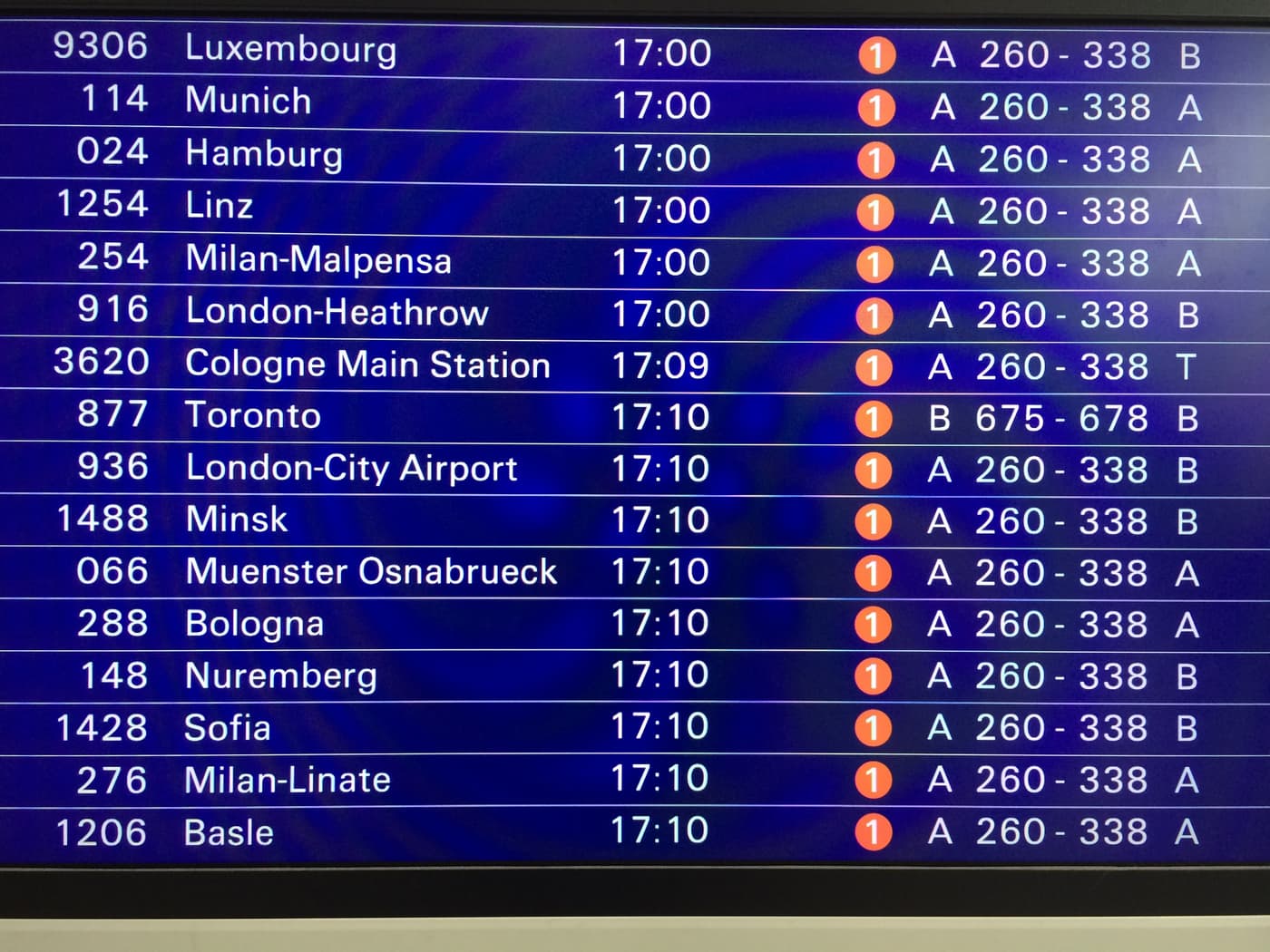
A real departures board. Find the cities, the times and the gates. The board is in English, but the cities are the same words you say in German.
Lies die Tafel
Find it on the board.
- Der Flug nach Toronto geht um Uhr.
- Der Flug nach München hat die Nummer .
- Wie viele Flüge gehen um 17:00?
- Der Flug nach Toronto geht von Gate .
In welchem Land?
Circle the country of the city.
- Luxembourg: Luxemburg/Frankreich
- Bologna: Spanien/Italien
- Linz: Österreich/Schweiz
- Basle: Schweiz/Belgien
- Sofia: Bulgarien/Polen
- Minsk: Belarus/Russland
Deutsch oder Englisch?
The board writes city names in English. Write the German name.
- Munich
- Cologne
- Nuremberg
- Basle
Schreib mit! · your turn
Write down every German word you can read on the photo, with its article if it is a noun.
Übungen · practise 1 of 2
Länder und Sprachen
What do they speak?
Write the language.
- Frankreich
- Spanien
- Italien
- die Türkei
- England
- Österreich
aus …
Circle the right words.
- Ich komme aus Schweiz/der Schweiz .
- Er kommt aus Spanien/der Spanien .
- Sie kommt aus den USA/USA .
- Wir kommen aus der Türkei/Türkei .
Who is what?
Write the nationality.
- Paul kommt aus England. Er ist .
- Lena kommt aus Österreich. Sie ist .
- Marco kommt aus Italien. Er ist .
- Sophie kommt aus Frankreich. Sie ist .
Wo ist das?
Circle the direction.
- Hamburg ist im Norden/Süden .
- München ist im Norden/Süden .
- Frankreich ist im Osten/Westen .
- Österreich ist im Norden/Süden .
Schreib mit! · your turn
Pick five words from this chapter and write one sentence with each.
Übungen · practise 2 of 2
Länder und Sprachen
Welche Sprache?
Write the language they speak.
- In Brasilien spricht man .
- In Mexiko spricht man .
- In der Schweiz spricht man Deutsch, und Italienisch.
- In den USA spricht man .
And you?
Write about yourself.
- Ich komme aus .
- Ich bin .
- Ich spreche und ein bisschen Deutsch.
Bilder-Check
Write each word with der, die or das. No peeking at the word page.
Schreib mit! · your turn
Write what you got wrong on these two pages, correctly, once each.
Hören, sprechen, können
Länder und Sprachen
Max introduces himself, and every line at gate B 42 is read aloud. Listen for the countries and languages, then say your own: Ich komme aus …, ich spreche …
languagequiz.org/b/a1-10Open the code and tell the tutor where you are from, what you speak and where your city lies. Then it names a country and you say the language. Three minutes.
languagequiz.org/b/a1-04The chapter's exercise with instant correction and the medal ladder.
languagequiz.org/b/a1-28Ich kann … · I can
- say where I come from, with aus and the right article
- name the language and the nationality of ten countries
- say where a city lies: im Norden, im Süden …
- read a departures board
Done? Tick what you can, circle what you got wrong on the practice pages, and come back to those in a week. The answers are on page 124.
Meine Notizen · my notes
Bildwörterbuch · picture dictionary
Länder und Sprachen
Every pictured word of this chapter on one page. Cover the words, say them from the pictures; cover the pictures, draw them from the words.
- das Land die Länder country
- die Welt pl. -en world
- die Grenze pl. -n border
- die Landkarte pl. -n map
- die Flagge pl. -n flag
- die Sprache pl. -n language
- der Norden no plural north
- der Süden no plural south
- der Osten no plural east
- der Westen no plural west
- das Meer pl. -e sea
- der Berg pl. -e mountain
- die Insel pl. -n island
- der Flughafen die Flughäfen airport
- das Flugzeug pl. -e aeroplane
- der Koffer no plural suitcase
- der Pass die Pässe passport
- das Ticket pl. -s ticket
- der Zug die Züge train
- die Bahn pl. -en railway
- der Weg pl. -e way
- die Autobahn pl. -en motorway
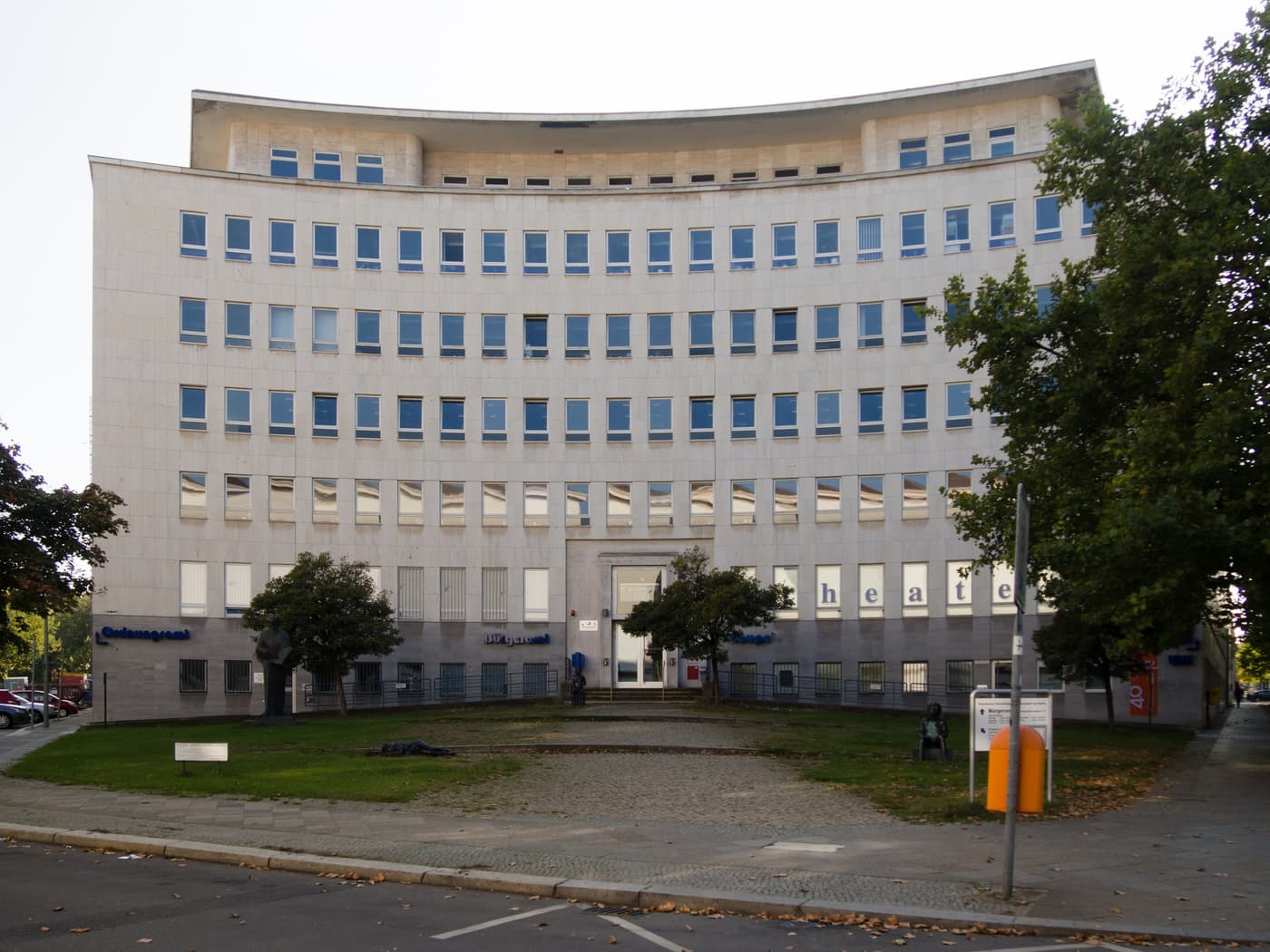
Das Alphabet und ein Formular
Das Bürgeramt
Das Bürgeramt Hohenzollerndamm in Berlin. Ein Termin? In sechs Wochen.
- Ist das Haus alt oder neu?
- Wie viele Fenster hat es? Rate!
- Was brauchst du im Amt: einen Pass, ein Foto, Geduld?
Auch im Amt · also at the office
 das Formular pl. -e form
 die Anmeldung pl. -en registration
 die Nummer pl. -n number
 das Wartezimmer no plural waiting room
 die Beamtin pl. -nen official (f)
 der Stempel no plural stamp
 die Unterschrift pl. -en signature
- der Pass die Pässe passport
 der Ausweis pl. -e ID card
 die Adresse pl. -n address
 der Brief pl. -e letter
 der Umschlag die Umschläge envelope
- der Name pl. -n name
 der Buchstabe pl. -n letter (A, B, C)
 das Alphabet pl. -e alphabet
- die Hausnummer pl. -n house number
- die Stadt die Städte city
- das Land die Länder country
- der Geburtstag pl. -e birthday
- die Telefonnummer pl. -n phone number
 das Foto pl. -s photo
Wörter zuerst · words first
Lesen · reading
Nummer 248
Maya has lived in Berlin for three weeks. Today she registers her address, which Germans call the Anmeldung. Lena comes along, because the form has words.
Lena Wir haben Nummer 248. Jetzt ist 201 dran. Also: eine Stunde.
Maya Eine Stunde! Gut, dann das Formular. „Familienname“?
Lena Dein Nachname. Und „Vorname“ ist Maya.
Maya „Geburtsdatum“: der Tag, der Monat, das Jahr. Und „Staatsangehörigkeit“?
Lena Dein Land: kanadisch. Das Wort hat 20 Buchstaben, keine Angst.
Beamtin Nummer 248, Platz 3, bitte!
Maya Guten Tag. Ich möchte mich anmelden.
Beamtin Pass, bitte. Und den Mietvertrag. Wie heißen Sie?
Maya Maya Tremblay.
Beamtin Buchstabieren Sie bitte.
Maya Te – Er – E – Em – Be – El – A – Ypsilon.
Beamtin Danke. Unterschrift hier, bitte. So. Stempel. Fertig. Willkommen in Berlin!
Maya Das war alles? Nach einer Stunde, zwei Minuten?
Lena Das ist Deutschland: lange warten, dann sehr schnell.
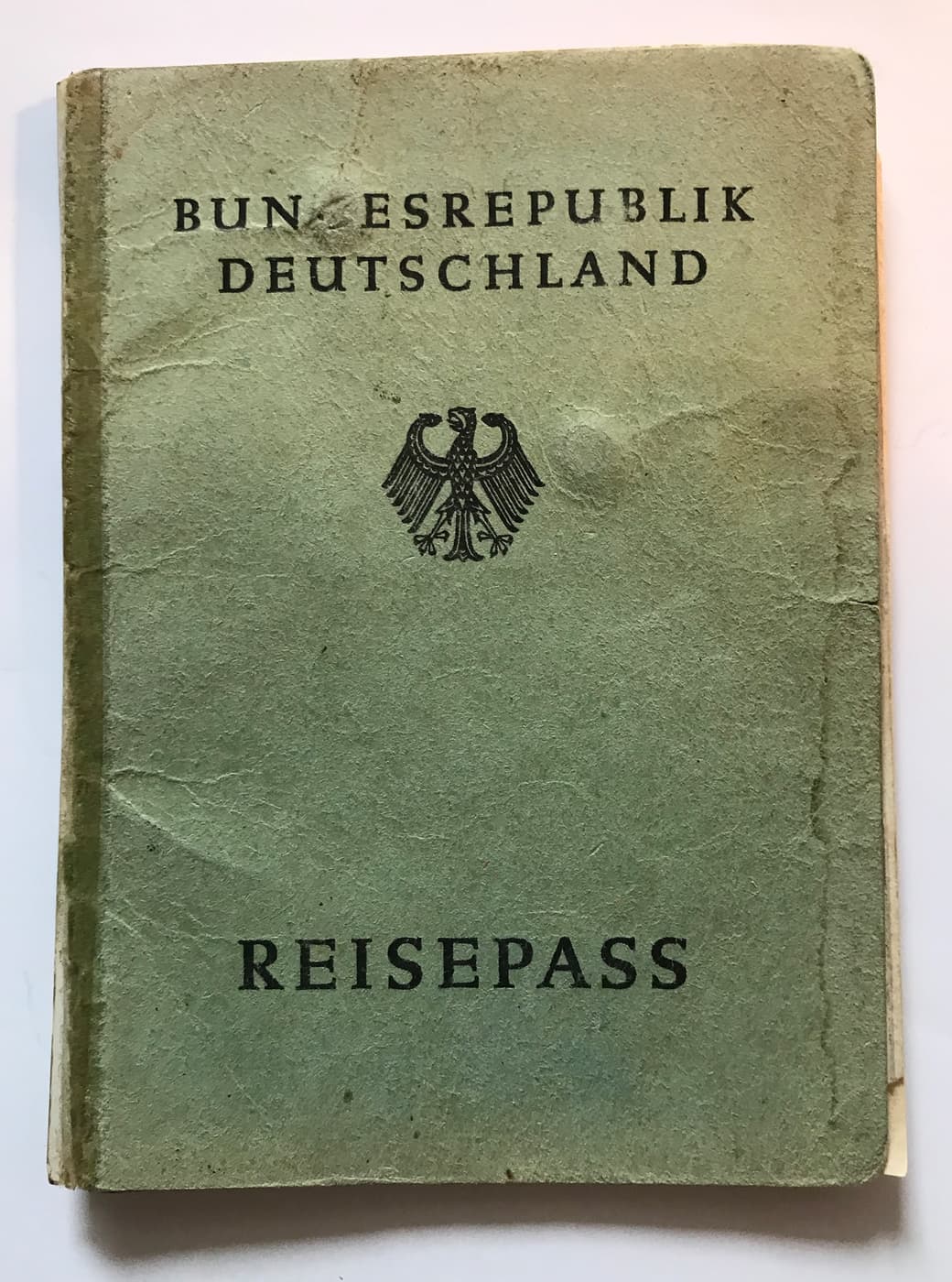
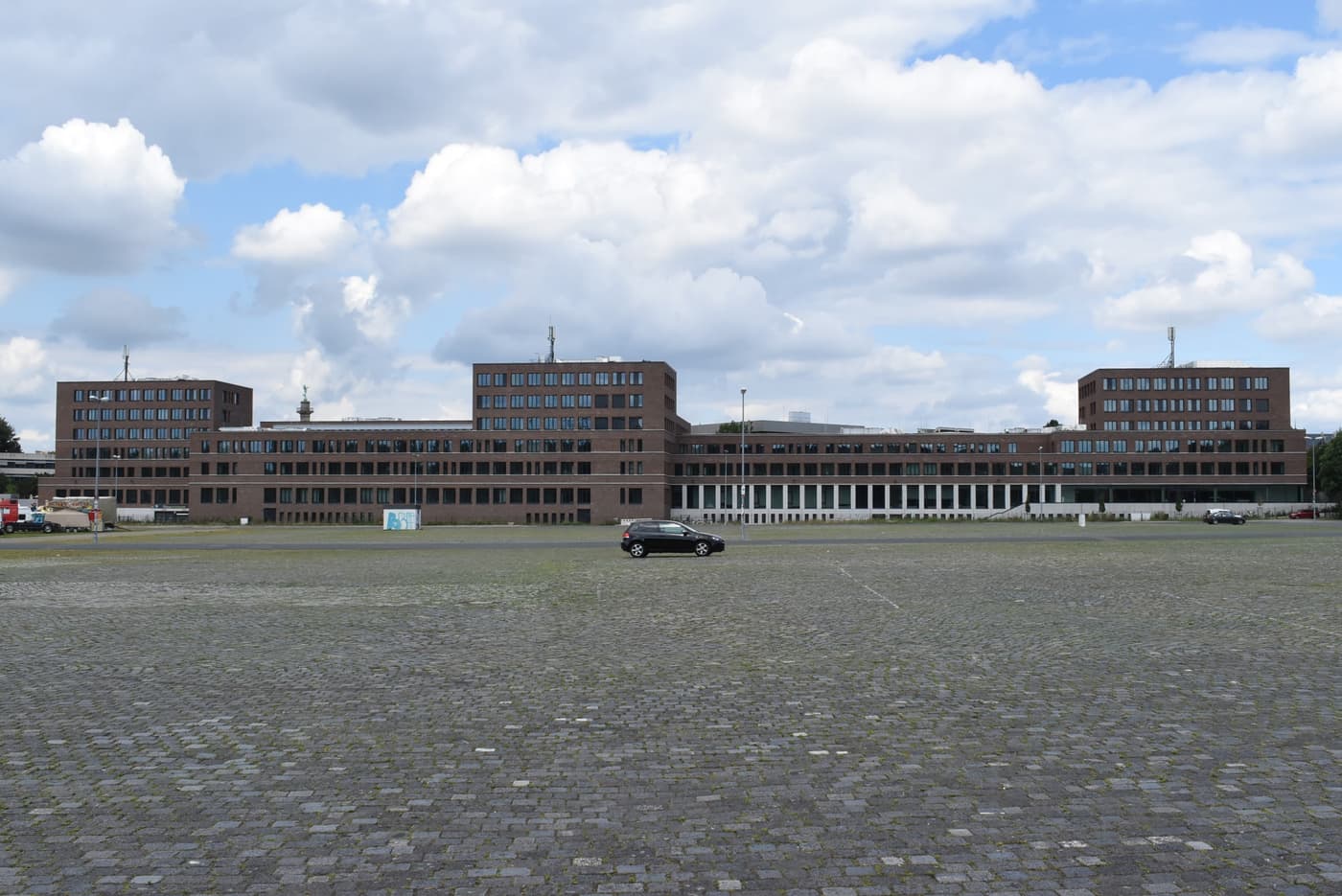
English · Lena: We have number 248. It's 201 now. So: an hour. · Maya: An hour! Fine, then the form. “Familienname”? · Lena: Your surname. And “Vorname” is Maya. · Maya: “Geburtsdatum”: the day, the month, the year. And “Staatsangehörigkeit”? · Lena: Your country: Canadian. The word has 20 letters, don't panic. · Official: Number 248, desk 3, please! · Maya: Hello. I'd like to register. · Official: Passport, please. And the rental contract. What's your name? · Maya: Maya Tremblay. · Official: Spell it, please. · Maya: T-R-E-M-B-L-A-Y. · Official: Thanks. Signature here, please. There. Stamp. Done. Welcome to Berlin! · Maya: That was all? After an hour, two minutes? · Lena: That's Germany: a long wait, then very fast.
Richtig oder falsch?
Circle what the text says.
- Maya hat Nummer 248/201 .
- Sie wartet eine Stunde/zwei Minuten .
- Mayas Familienname ist Tremblay/Maya .
- Die Beamtin möchte den Pass/Koffer .
- Am Ende sagt die Beamtin Willkommen/Auf Wiedersehen .
Das Formular
Which German word on the form means it? Write it.
- surname
- first name
- date of birth
- nationality
Schreib mit! · your turn
Copy the two sentences of the text you want to remember, then write one of your own in the same shape.
Grammatik · 1 of 2
Das Alphabet
Thirty letters, six of them in disguise
Das AlphabetThe six marked letters are the ones English speakers get wrong.
- A A “ah”
- B Be “bay”
- C Ce “tsay”
- D De “day”
- E E “ay”
- F Ef “eff”
- G Ge “gay”
- H Ha “hah”
- I I “ee”
- J Jott “yot”
- K Ka “kah”
- L El “ell”
- M Em “em”
- N En “en”
- O O “oh”
- P Pe “pay”
- Q Ku “koo”
- R Er “air”
- S Es “ess”
- T Te “tay”
- U U “oo”
- V Vau “fow”
- W We “vay”
- X Ix “iks”
- Y Ypsilon “üp-si-lon”
- Z Zett “tset”
- Ä A-Umlaut “eh”
- Ö O-Umlaut
- Ü U-Umlaut
- ß Eszett “ess-tset”
Mini-Check
Circle the right word.
- V heißt Vau/Wi
- W heißt We/Dabbelju
- J heißt Jott/Jay
- Z heißt Zett/Zed
- E klingt wie englisch A/E
- I klingt wie englisch E/I
Schreib mit! · your turn
Write three sentences of your own with the rule of this page. Use words from the word page.
Grammatik · 2 of 2
Buchstabieren und Umlaute
Spelling on the phone, and the dots
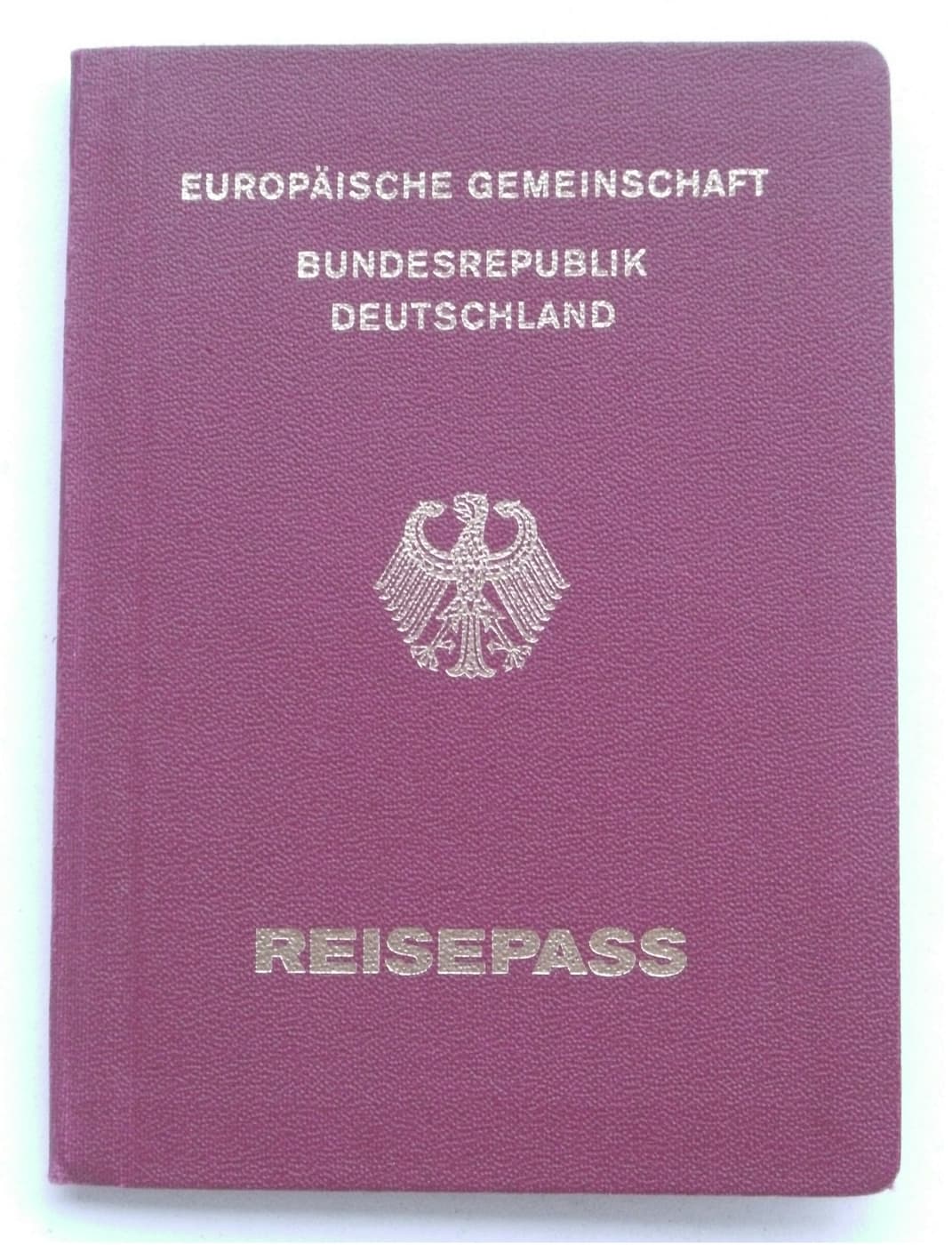
Spelling
- Wie schreibt man das?
- How do you write that?
- Können Sie das buchstabieren?
- Can you spell that?
- Ich buchstabiere: M – A – X.
- I’ll spell it: M – A – X.
- groß · klein
- capital · small letter
- Doppel-L
- double L
- A wie Anton
- A as in Anton
A wie Anton: the spelling alphabetOn the phone, say the word, not the letter: M wie München. Both lists are understood.
| letter | old (1950) | new (2022) |
|---|---|---|
| A | Anton | Aachen |
| B | Berta | Berlin |
| M | Martha | München |
| S | Samuel | Stuttgart |
| Z | Zacharias | Zwickau |
Mini-Check
Circle the right word.
- Tsch _ ss: ü/u
- gro _: ß/ss
- M wie München/Maya
- ä klingt wie bed/bad (English)
- Muenchen = München/Munchen
- A-Umlaut: Ä/A
Schreib mit! · your turn
Write three sentences of your own with the rule of this page. Use words from the word page.
Lesen im Alltag · reading the real thing
Der Reisepass. Welche Wörter stehen drauf?
The cover of a German passport. Read the three lines and the big word at the bottom, then fill in your own details as the form would ask for them.
Lies den Pass
Write the words from the cover.
- Das Land:
- Das Dokument heißt:
- Das Tier auf dem Pass:
- Die Farbe:
Dein Formular
Fill in the form for yourself, in capitals, as the office wants it.
- Familienname:
- Vorname:
- Geburtsdatum:
- Staatsangehörigkeit:
- Straße, Hausnummer:
- Unterschrift:
Schreib mit! · your turn
Write down every German word you can read on the photo, with its article if it is a noun.
Übungen · practise 1 of 2
Das Alphabet und ein Formular
Letters in disguise
Write the German name of each letter.
- E
- I
- J
- V
- W
- Z
- Y
- ß
Say it in letters
Germans say these as letters. Write how they sound.
- VW
- BMW
- USA
- ZDF
Read the spelling
Someone spells a word for you. Write the word.
- Em – A – Ix
- We – I – E – En
- Be – E – Er – El – I – En
- Te – Es – Ce – Ha – U-Umlaut – Es – Es
Dots or no dots?
Write the missing letter: ä, ö, ü or ß.
- Tsch _ ss
- M _ nchen
- _ sterreich
- hei _ en
- gro _
Schreib mit! · your turn
Pick five words from this chapter and write one sentence with each.
Übungen · practise 2 of 2
Das Alphabet und ein Formular
Am Telefon
Spell each name the phone way, with the new city list (Aachen, Berlin, Chemnitz, Düsseldorf, Essen, Frankfurt, Hamburg, Köln, Leipzig, München, Nürnberg, Rostock, Stuttgart, Unna).
- LENA
- MAX
- KURT
Your name, the German way
Spell your first name in letters, then the phone way.
- Ich heiße .
- Ich buchstabiere: .
- A wie Anton …
Bilder-Check
Write each word with der, die or das. No peeking at the word page.
Schreib mit! · your turn
Write what you got wrong on these two pages, correctly, once each.
Hören, sprechen, können
Das Alphabet und ein Formular
A dictation: twelve sentences about a person, read slowly, and every line of the Bürgeramt scene. Write the sentences, then check them against the key.
languagequiz.org/b/a1-20Open the code and spell your name, your street and your city to the tutor, letter by letter and then the phone way. It spells a name back and you write it.
languagequiz.org/b/a1-15The chapter's exercise with instant correction and the medal ladder.
languagequiz.org/b/a1-33Ich kann … · I can
- say the German alphabet, including the six letters in disguise
- spell my name and my street, plain and the phone way
- write ä, ö, ü, ß, and ae, oe, ue, ss when I can't
- fill in a German form: Familienname, Vorname, Geburtsdatum
Done? Tick what you can, circle what you got wrong on the practice pages, and come back to those in a week. The answers are on page 124.
Meine Notizen · my notes
Bildwörterbuch · picture dictionary
Das Alphabet und ein Formular
Every pictured word of this chapter on one page. Cover the words, say them from the pictures; cover the pictures, draw them from the words.
 das Amt die Ämter office (public)
- das Formular pl. -e form
- die Anmeldung pl. -en registration
- die Nummer pl. -n number
- das Wartezimmer no plural waiting room
- die Beamtin pl. -nen official (f)
- der Stempel no plural stamp
- die Unterschrift pl. -en signature
- der Pass die Pässe passport
- der Ausweis pl. -e ID card
- die Adresse pl. -n address
- der Brief pl. -e letter
- der Umschlag die Umschläge envelope
- der Name pl. -n name
- der Buchstabe pl. -n letter (A, B, C)
- das Alphabet pl. -e alphabet
- die Straße pl. -n street
- die Hausnummer pl. -n house number
- die Stadt die Städte city
- das Land die Länder country
- der Geburtstag pl. -e birthday
- die Telefonnummer pl. -n phone number
- das Foto pl. -s photo
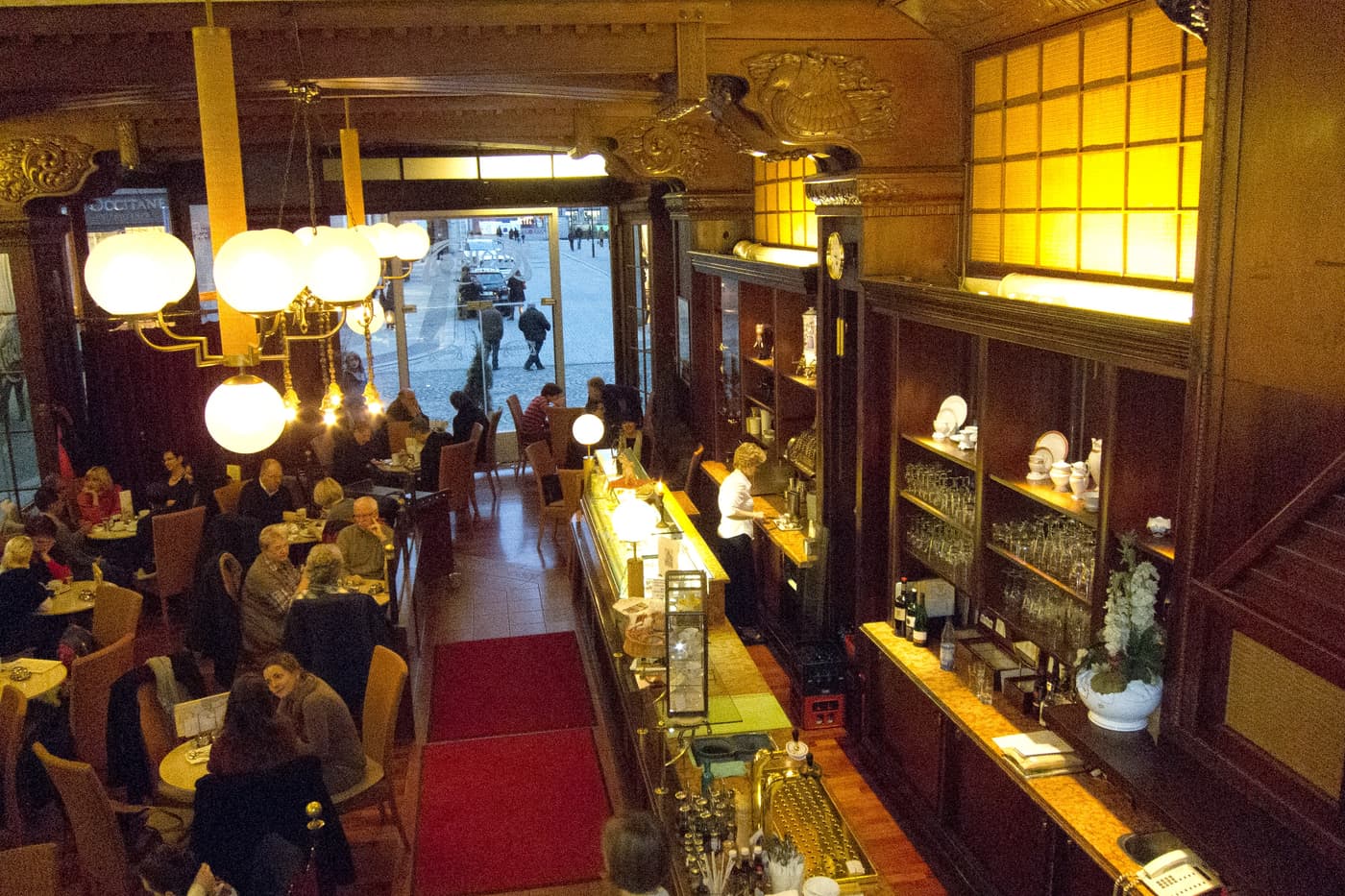
Im Café
Ein Kaffeehaus in Leipzig
Das Café Riquet in Leipzig: Jugendstil, Kuchen und Kaffee seit 1908.
- Was trinken die Leute?
- Wie viele Lampen siehst du?
- Was möchtest du: Kaffee, Tee oder Kakao?
Auch im Café · also in the café
- der Kaffee pl. -s coffee
- der Tee pl. -s tea
 der Kakao no plural hot chocolate
 die Limonade pl. -n lemonade
- das Wasser no plural water
- die Milch no plural milk
 der Zucker no plural sugar
- der Kuchen no plural cake
- die Torte pl. -n layer cake
 das Croissant pl. -s croissant
- das Brötchen no plural bread roll
 die Butter no plural butter
 die Marmelade pl. -n jam
 der Honig no plural honey
 das Ei pl. -er egg
 die Suppe pl. -n soup
 der Salat pl. -e salad
 der Kellner no plural waiter
 die Speisekarte pl. -n menu
 die Rechnung pl. -en bill
 das Trinkgeld pl. -er tip
- der Tisch pl. -e table
- die Zeitung pl. -en newspaper
Wörter zuerst · words first
Lesen · reading
Zwei Kaffee, eine Torte, ein Problem
Maya is in Leipzig for the day. In the oldest café in town she meets the one thing nobody warned her about: the cake counter.
Kellner Guten Tag. Ist hier noch frei? Ja? Bitte sehr. Was möchten Sie?
Maya Einen Kaffee, bitte. Mit Milch, ohne Zucker.
Kellner Einen Milchkaffee. Und etwas zu essen? Die Torten sind vorne an der Theke.
Maya Ich sehe sie. Zwölf Torten. Ich habe ein Problem.
Kellner Das Problem haben alle. Mein Tipp: die Käsetorte. Oder die Schokoladentorte. Oder beide.
Maya Ein Stück Käsetorte, bitte. Und ein Glas Wasser.
Kellner Gern. Das Wasser kostet nichts, das ist Leipzig.
Zwanzig Minuten später.
Maya Zahlen, bitte!
Kellner Ein Milchkaffee, drei fünfzig. Ein Stück Käsetorte, drei fünfzig. Das macht sieben Euro.
Maya Acht, bitte. Stimmt so.
Kellner Vielen Dank! Und? Die Torte?
Maya Sehr gut. Ich komme morgen wieder. Für die Schokoladentorte.
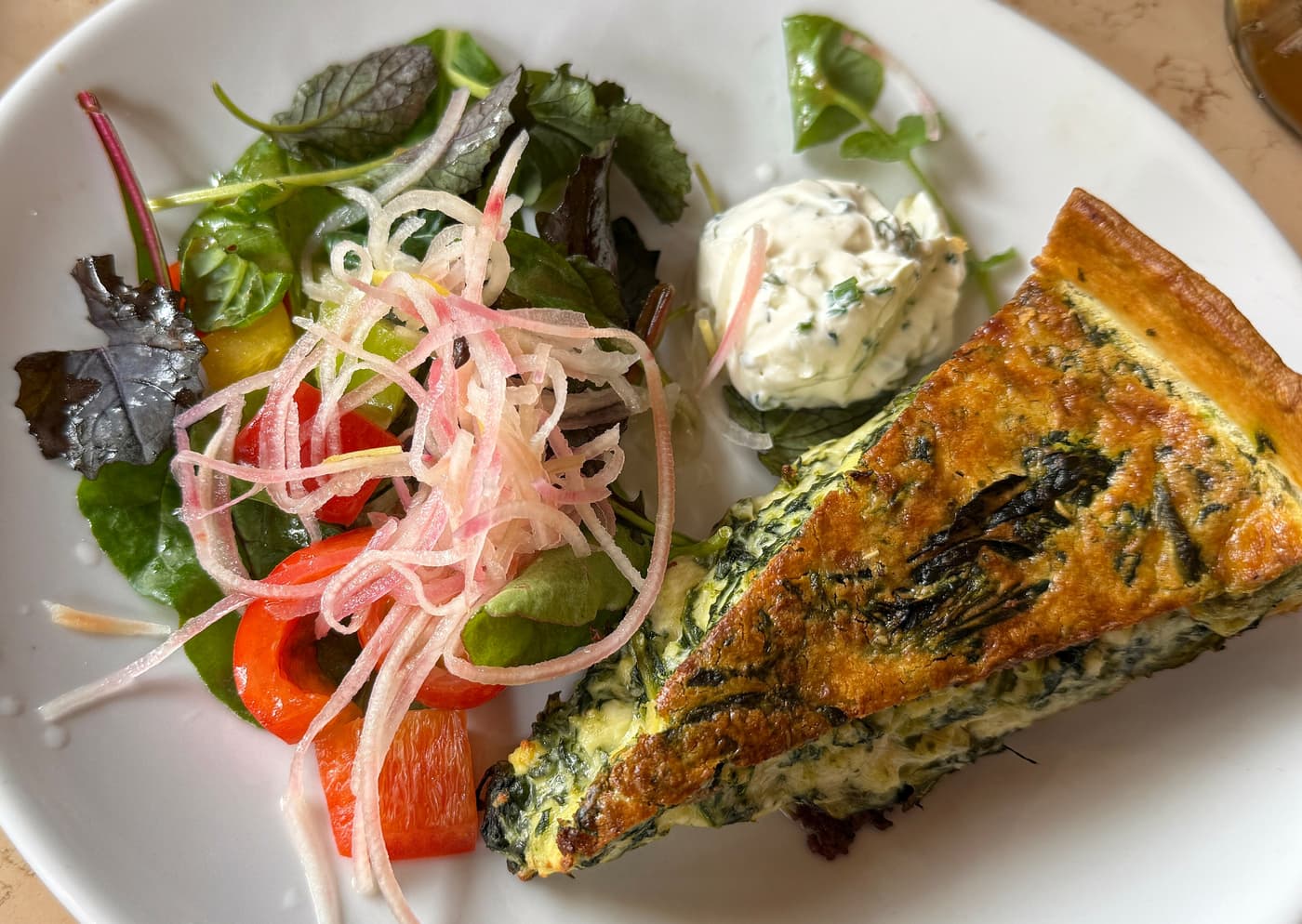
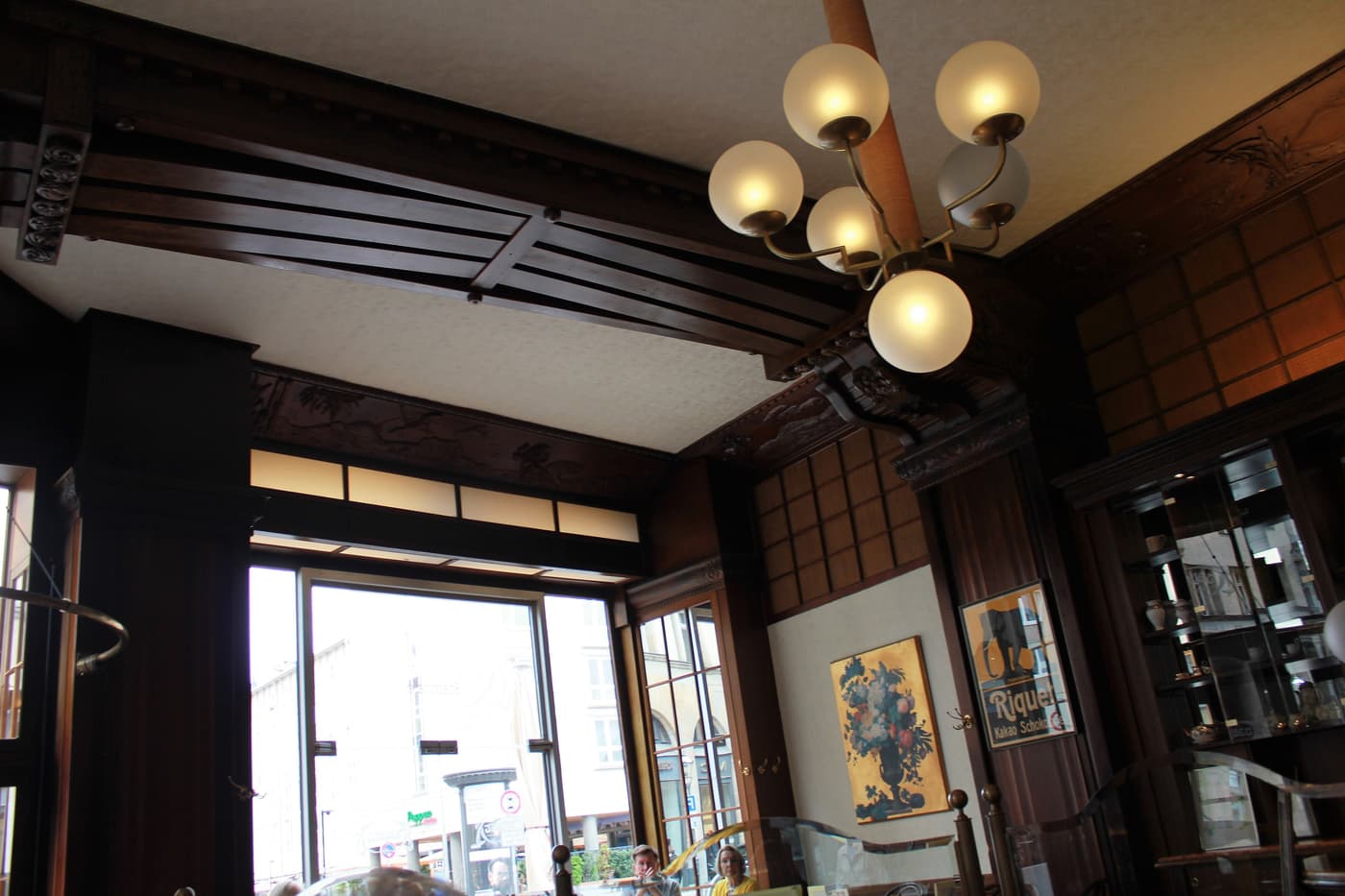
English · Waiter: Hello. Is this seat free? Yes? Here you are. What would you like? · Maya: A coffee, please. With milk, no sugar. · Waiter: A Milchkaffee. And something to eat? The cakes are at the front, at the counter. · Maya: I see them. Twelve cakes. I have a problem. · Waiter: Everyone has that problem. My tip: the cheesecake. Or the chocolate cake. Or both. · Maya: A slice of cheesecake, please. And a glass of water. · Waiter: Certainly. The water costs nothing, this is Leipzig. · Twenty minutes later. · Maya: The bill, please! · Waiter: One Milchkaffee, three fifty. One slice of cheesecake, three fifty. That comes to seven euros. · Maya: Eight, please. Keep the change. · Waiter: Thank you! And? The cake? · Maya: Very good. I'll come back tomorrow. For the chocolate cake.
Richtig oder falsch?
Circle what the text says.
- Maya möchte Kaffee mit Milch/mit Zucker .
- Das Café hat zwölf/zwei Torten.
- Maya nimmt die Käsetorte/Schokoladentorte .
- Das Wasser kostet nichts/ein Euro .
- Maya zahlt sieben/acht Euro.
Die Rechnung
Write the prices in figures.
- ein Milchkaffee
- ein Stück Käsetorte
- zusammen
- Trinkgeld
Schreib mit! · your turn
Copy the two sentences of the text you want to remember, then write one of your own in the same shape.
Grammatik · 1 of 2
Bestellen und bezahlen
The sentences of a café visit, from sitting down to the tip
Order in three wordsNo verb needed: the thing, bitte.
What the waiter says, and what you answereinen Kaffee, einen Tee (der-words after möchten take -en); eine Limonade; ein Wasser, ein Stück.
| waiter | you |
|---|---|
| Was möchten Sie? | Einen Kaffee, bitte. |
| Mit Milch? | Ja, bitte. / Nein, danke. |
| Sonst noch etwas? | Nein, danke. Das ist alles. |
| Zusammen oder getrennt? | Zusammen. / Getrennt. |
| Das macht sieben Euro. | Acht, bitte. Stimmt so. |
Mini-Check
Circle the right word.
- Einen/Ein Kaffee, bitte.
- Eine/Ein Limonade, bitte.
- Sonst noch etwas/alles ?
- Die Rechnung/Rechnen , bitte.
- Stimmt so/zu .
- Zusammen oder getrennt/allein ?
Schreib mit! · your turn
Write three sentences of your own with the rule of this page. Use words from the word page.
Grammatik · 2 of 2
sein, haben, möchte
The three verbs that carry a café conversation
sein and habensein has no pattern at all. haben is regular, except that du hast and er hat lose the b. möchte (would like) is the polite way to order or ask — and ich and er share one form.
| who | sein · to be | haben · to have | möchte · would like |
|---|---|---|---|
| ich | bin | habe | möchte |
| du | bist | hast | möchtest |
| er · sie · es | ist | hat | möchte |
| wir | sind | haben | möchten |
| ihr | seid | habt | möchtet |
| sie · Sie | sind | haben | möchten |
Mini-Check
Circle the right word.
- Ich habe/bin Durst.
- Wir möchten/möchte zahlen.
- Ist/Hat hier noch frei?
- Du hast/bist Hunger.
- Was möchtest/möchten du?
- Die Torte ist/hat gut.
Schreib mit! · your turn
Write three sentences of your own with the rule of this page. Use words from the word page.
Lesen im Alltag · reading the real thing
Die Speisekarte eines Cafés in Berlin. Was kostet ein Milchkaffee?
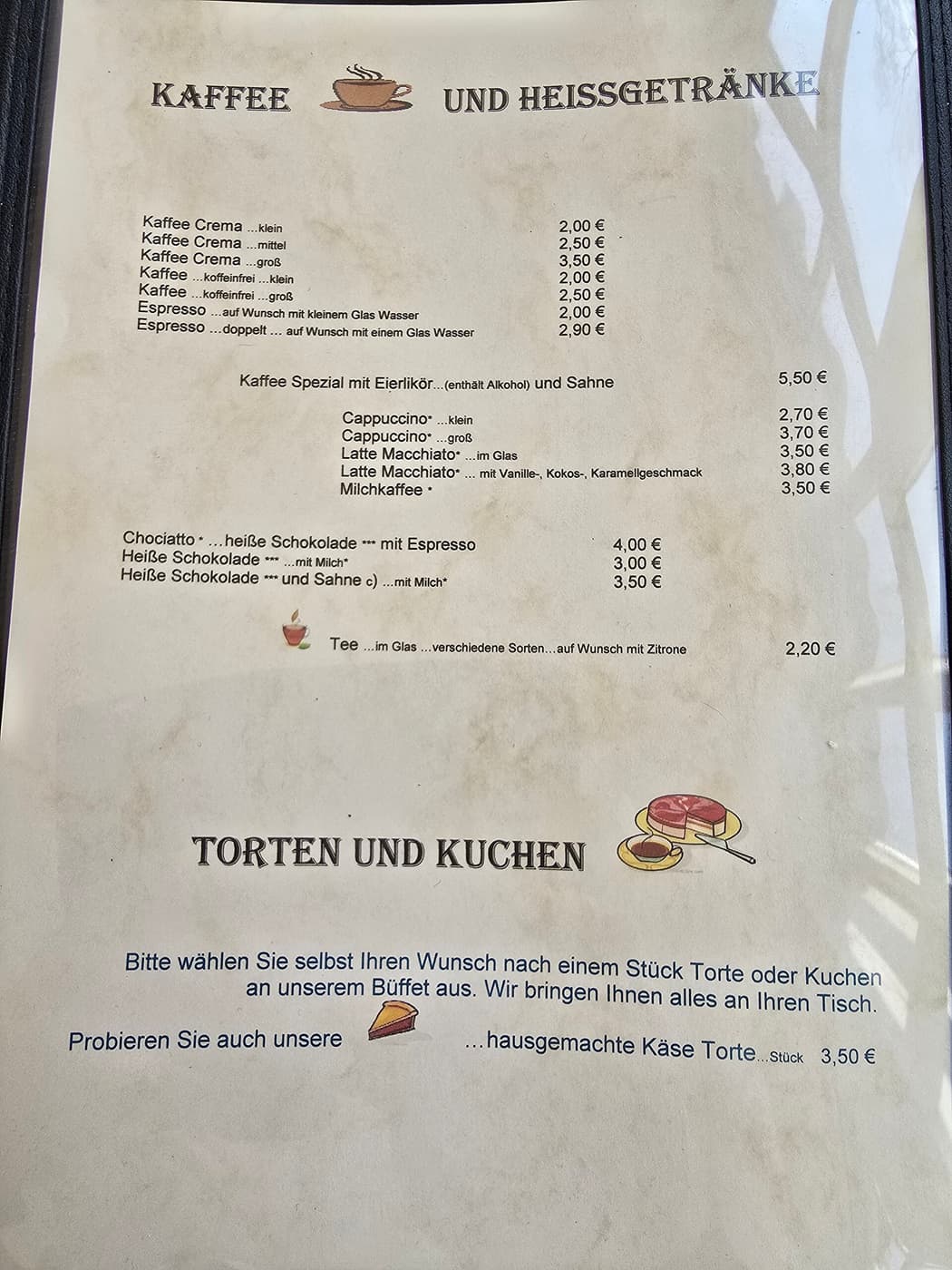
A real menu. Find the drinks and their prices; the bottom tells you how the cake works.
Lies die Karte
Find the price.
- Ein Milchkaffee kostet €.
- Ein kleiner Cappuccino kostet €.
- Ein Tee kostet €.
- Ein Stück Käsetorte kostet €.
- Heiße Schokolade mit Sahne kostet €.
Was bedeutet das?
Circle the meaning.
- koffeinfrei: without caffeine/with cream
- hausgemacht: home-made/expensive
- auf Wunsch mit Zitrone: with lemon if you want/always with lemon
- Bitte wählen Sie selbst … am Büffet aus: choose your cake at the counter/the waiter chooses
Deine Bestellung
You have 7 euros. Order a drink and a cake from this menu, and write what it costs.
- Ich möchte , bitte.
- Das macht Euro.
Schreib mit! · your turn
Write down every German word you can read on the photo, with its article if it is a noun.
Übungen · practise 1 of 2
Im Café
sein
Write the right form of sein.
- Ich müde.
- Du Student.
- Paul zwanzig.
- Wir in Wien.
- Ihr müde.
- Lena und Max in München.
haben
Write the right form of haben.
- Ich Hunger.
- du Zeit?
- Er ein Auto.
- Wir Durst.
- ihr ein Handy?
- Die Kinder Hunger.
sein, haben or möchte?
Circle the right word.
- Ich bin/habe Hunger.
- Ich bin/habe zwanzig.
- Er ist/hat müde.
- Wir sind/möchten Kaffee.
- Bist/Hast du Angst?
- Lena ist/möchte ein Handy.
Im Café
Put the conversation in order: write 1 to 6.
- 1
- 2
- 3
- 4
- 5
- 6
- Das macht vier Euro zwanzig.
- Guten Tag, was möchten Sie?
- Nein, danke. Zahlen, bitte.
- Einen Tee mit Zitrone, bitte.
- Fünf, bitte. Stimmt so.
- Gern. Sonst noch etwas?
Schreib mit! · your turn
Pick five words from this chapter and write one sentence with each.
Übungen · practise 2 of 2
Im Café
Sag es höflich
Write the order in German.
- A coffee with milk, please.
- A slice of cake and a glass of water, please.
- The bill, please. Together.
Finde den Fehler
One word is wrong in each sentence. Write the sentence correctly.
- Ein Kaffee mit Milch, bitte.
- Ich bin Hunger.
- Was möchtest Sie?
And you, today?
Write two true sentences about yourself.
- Ich bin .
- Ich habe .
Bilder-Check
Write each word with der, die or das. No peeking at the word page.
Schreib mit! · your turn
Write what you got wrong on these two pages, correctly, once each.
Hören, sprechen, können
Im Café
A café order, line by line, and every sentence of Maya's afternoon in Leipzig. Listen, then order out loud: a drink, a cake, the bill.
languagequiz.org/b/a1-43Open the code and order from the tutor: it is the waiter, you are the guest. Then swap. Three minutes, and say the tip the German way.
languagequiz.org/b/a1-31The chapter's exercise with instant correction and the medal ladder.
languagequiz.org/b/a1-11Ich kann … · I can
- order a drink and a cake politely
- understand Sonst noch etwas? and Zusammen oder getrennt?
- ask for the bill and tip the German way
- read a café menu and find a price
Done? Tick what you can, circle what you got wrong on the practice pages, and come back to those in a week. The answers are on page 124.
Meine Notizen · my notes
Bildwörterbuch · picture dictionary
Im Café
Every pictured word of this chapter on one page. Cover the words, say them from the pictures; cover the pictures, draw them from the words.
- der Kaffee pl. -s coffee
- der Tee pl. -s tea
- der Kakao no plural hot chocolate
- die Limonade pl. -n lemonade
- das Wasser no plural water
- die Milch no plural milk
- der Zucker no plural sugar
- der Kuchen no plural cake
- die Torte pl. -n layer cake
- das Croissant pl. -s croissant
- das Brötchen no plural bread roll
- die Butter no plural butter
- die Marmelade pl. -n jam
- der Honig no plural honey
- das Ei pl. -er egg
- die Suppe pl. -n soup
- der Salat pl. -e salad
- der Kellner no plural waiter
- die Speisekarte pl. -n menu
- die Tasse pl. -n cup
 das Glas die Gläser glass
- die Rechnung pl. -en bill
- das Trinkgeld pl. -er tip
- der Tisch pl. -e table
- die Zeitung pl. -en newspaper
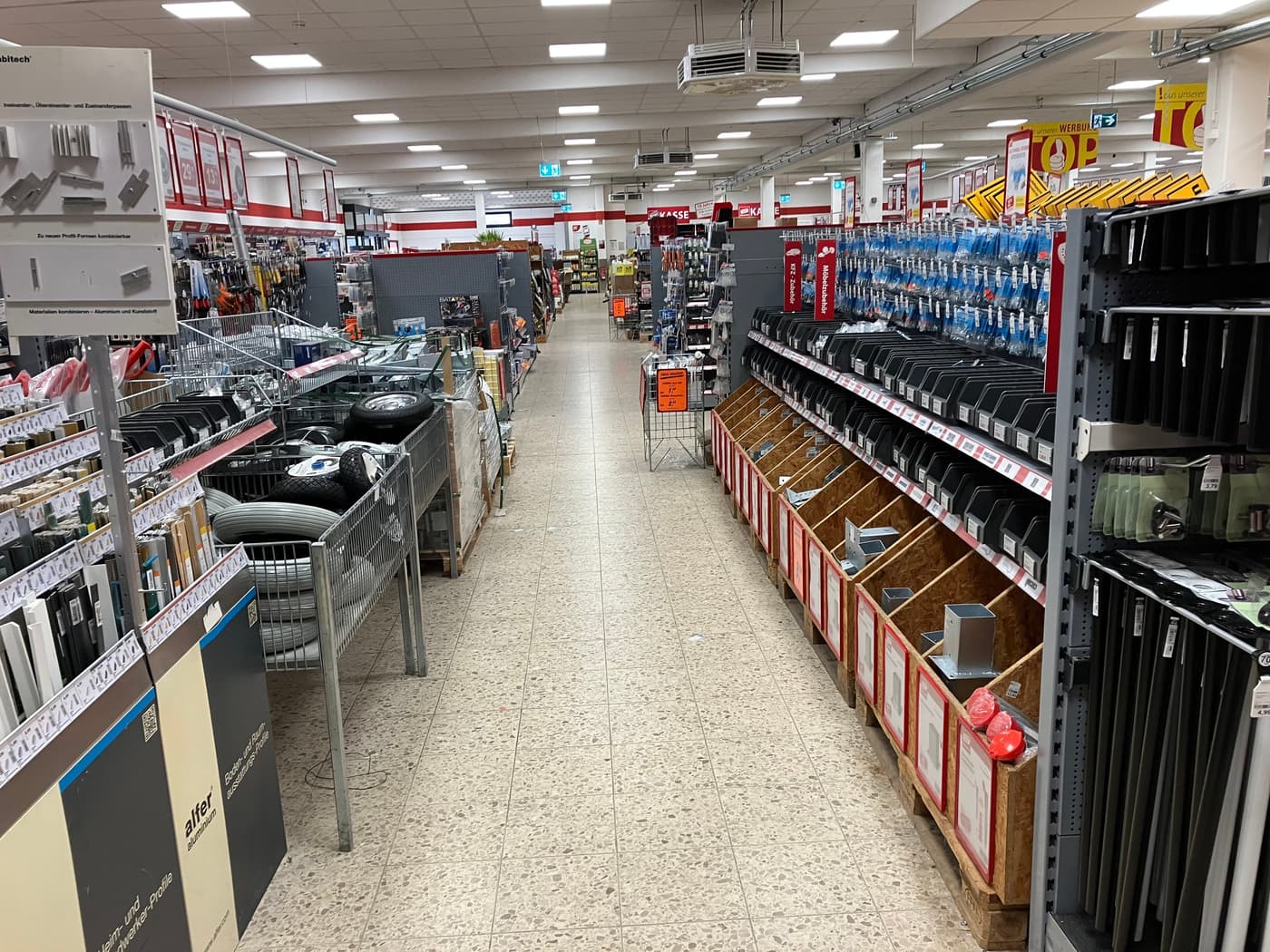
Wörter bauen
Im Baumarkt
Ein Baumarkt: Schrauben, Nägel, Werkzeug, und ein Schild für alles.
- Was ist das: ein Supermarkt, ein Baumarkt, ein Café?
- Was siehst du im Regal?
- Was brauchst du für ein Bild an der Wand?
Auch im Baumarkt · also at the DIY store
 das Werkzeug pl. -e tool
 der Hammer die Hämmer hammer
 die Säge pl. -n saw
 der Nagel die Nägel nail
 die Leiter pl. -n ladder
 die Farbe pl. -n paint, colour
 der Pinsel no plural brush
 der Schraubenzieher no plural screwdriver (Schraube + Zieher)
 die Waschmaschine pl. -n washing machine (waschen + Maschine)
- der Kühlschrank die Kühlschränke fridge (kühl + Schrank)
 der Gartenschlauch die Gartenschläuche garden hose (Garten + Schlauch)
 die Haustür pl. -en front door (Haus + Tür)
 das Kinderzimmer no plural children's room (Kinder + Zimmer)
 der Apfelkuchen no plural apple cake (Apfel + Kuchen)
 der Käsekuchen no plural cheesecake (Käse + Kuchen)
 das Bananenbrot pl. -e banana bread (Banane + Brot)
- die Telefonnummer pl. -n phone number (Telefon + Nummer)
Wörter zuerst · words first
Lesen · reading
Ein Regal für Maya
Maya's new room has books on the floor. Lena says: a shelf, a Saturday, a Baumarkt. The Baumarkt has four thousand things and one word for each.
Maya Lena, das ist nicht ein Laden. Das ist eine Stadt.
Lena Das ist ein Baumarkt. Bau plus Markt. Alles für das Haus. Was brauchst du?
Maya Ein Regal. Für Bücher. Ein Bücherregal!
Lena Sehr gut! Bücher plus Regal. Und für das Regal brauchst du Schrauben und einen Schraubenzieher.
Maya Schrauben-zieher. Das Ding zieht die Schraube?
Lena Genau. Und für das Bild an der Wand brauchst du einen Nagel und einen Hammer.
Maya Entschuldigung, wo finde ich Schrauben?
Verkäuferin Gang zwölf, links. Welche Größe?
Maya Äh. Für ein Bücherregal.
Verkäuferin Dann vier mal vierzig. Die Packung kostet zwei neunzig.
Maya Lena, was ist das: Handwerkerin?
Lena Handwerker ist ein Mann, der mit den Händen arbeitet. Handwerkerin ist die Frau. Heute bist du Handwerkerin.
Maya Mit einem Schraubenzieher und zwei neunzig. Deutschland ist einfach.
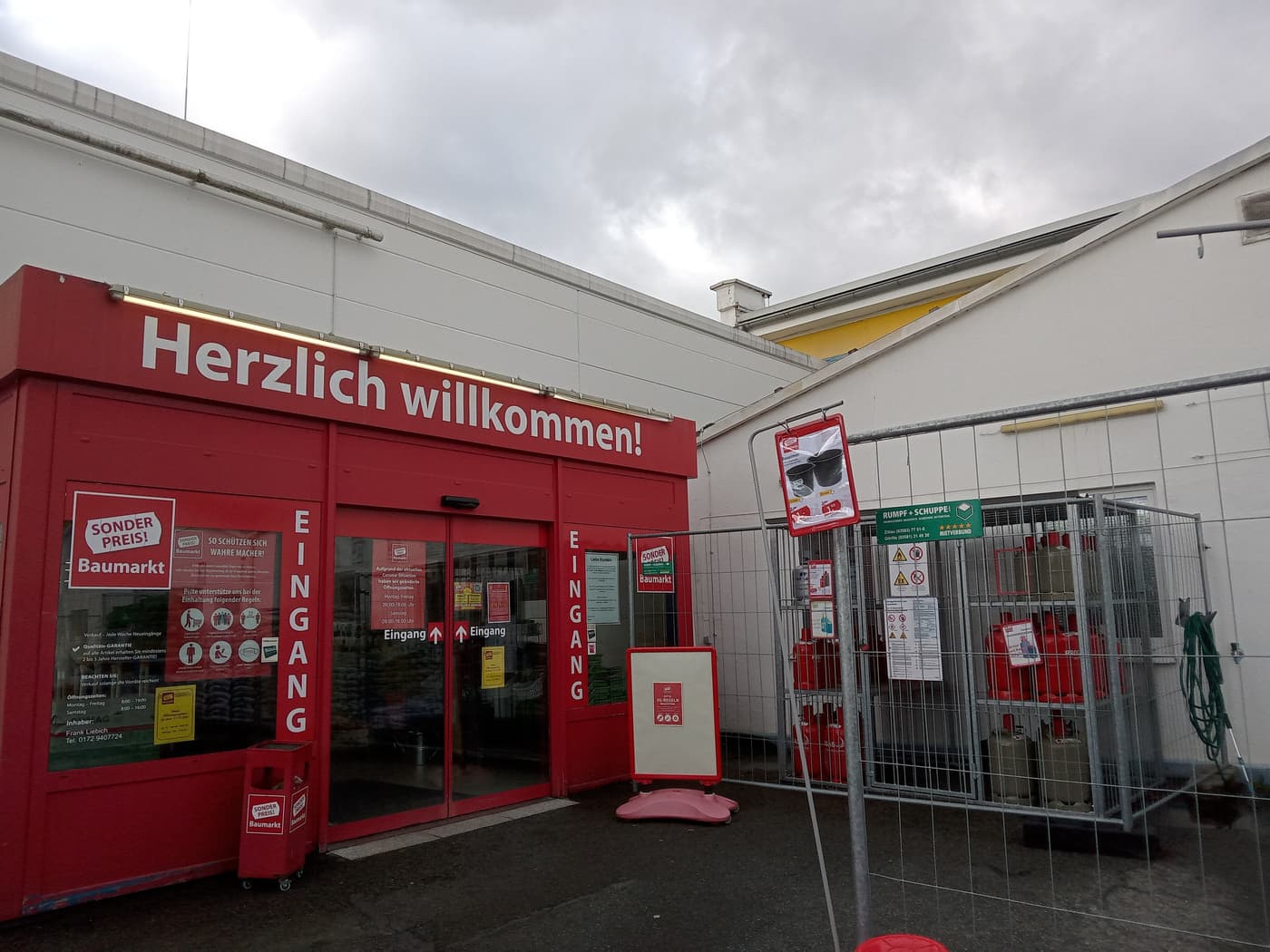
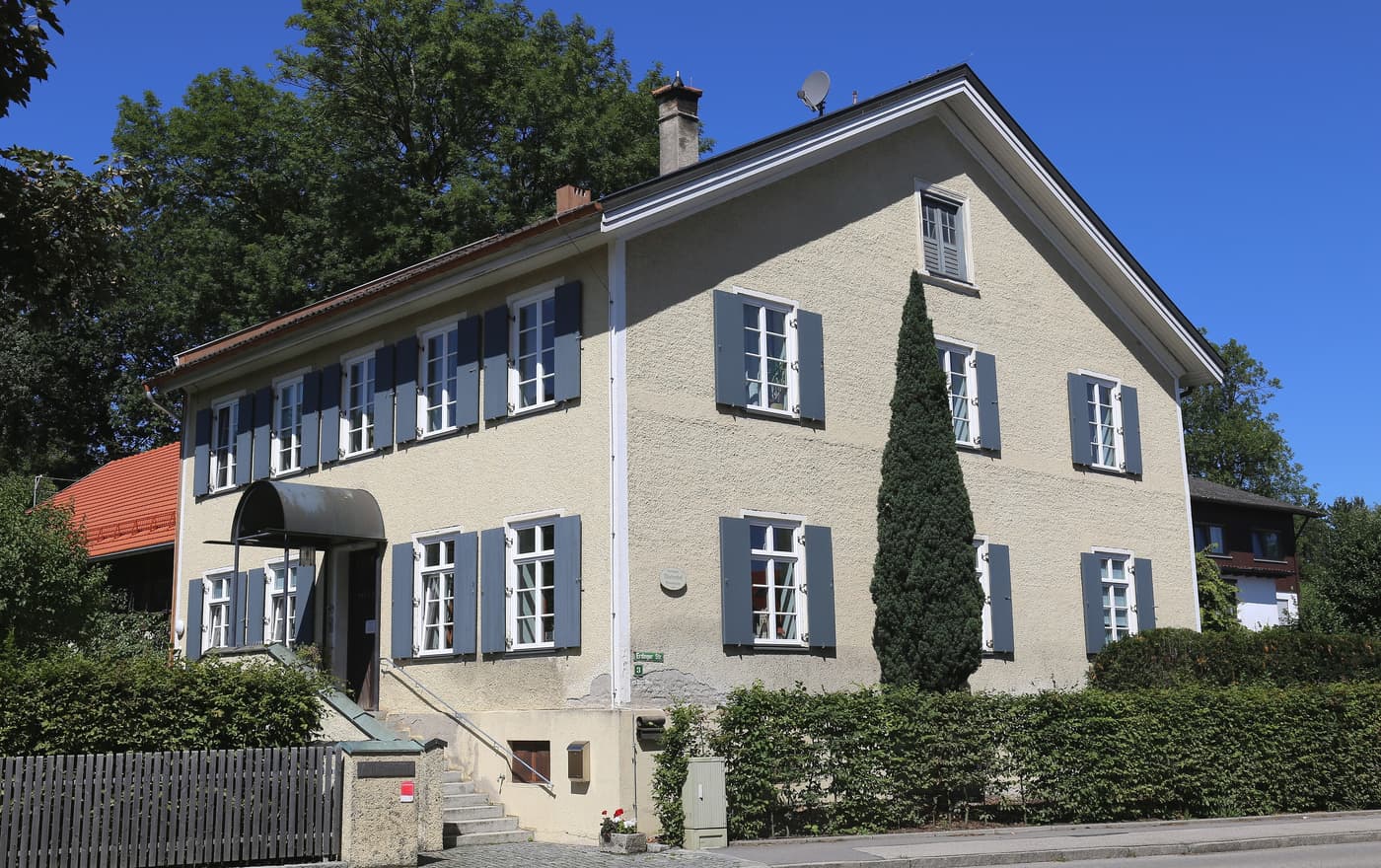
English · Maya: Lena, this is not a shop. This is a city. · Lena: This is a Baumarkt. Bau plus Markt. Everything for the house. What do you need? · Maya: A shelf. For books. A Bücherregal! · Lena: Very good! Bücher plus Regal. And for the shelf you need screws and a screwdriver. · Maya: Schrauben-zieher. The thing pulls the screw? · Lena: Exactly. And for the picture on the wall you need a nail and a hammer. · Maya: Excuse me, where do I find screws? · Assistant: Aisle twelve, on the left. Which size? · Maya: Er. For a bookshelf. · Assistant: Then four by forty. The pack costs two ninety. · Maya: Lena, what is that: Handwerkerin? · Lena: A Handwerker is a man who works with his hands. Handwerkerin is the woman. Today you are a Handwerkerin. · Maya: With a screwdriver and two ninety. Germany is easy.
Was braucht Maya?
Circle what the text says.
- Für das Regal: Schrauben/Nägel
- Für das Bild: einen Nagel/eine Schraube
- Die Schrauben sind in Gang zwölf/zwei .
- Die Packung kostet 2,90 €/4,40 € .
Zwei Wörter, ein Wort
Split the long word into its two parts.
- Baumarkt
- Bücherregal
- Schraubenzieher
- Handwerkerin
Schreib mit! · your turn
Copy the two sentences of the text you want to remember, then write one of your own in the same shape.
Grammatik · 1 of 2
-in macht eine Frau
One ending, and every job and nationality has a female form
-in makes a womanAlways die. More than one: -innen.
| Lehrerin | = | die Lehrerin | teacher |
| Studentin | = | die Studentin | student |
| Freundin | = | die Freundin | friend |
| Ärztin | = | die Ärztin | doctor (with dots) |
| Köchin | = | die Köchin | cook (with dots) |
The pattern, with and without dotsPlural: -innen. die Lehrerinnen.
| der | die | English |
|---|---|---|
| der Lehrer | die Lehrerin | teacher |
| der Verkäufer | die Verkäuferin | shop assistant |
| der Kellner | die Kellnerin | waiter / waitress |
| der Handwerker | die Handwerkerin | craftsman / -woman |
| der Arzt | die Ärztin | doctor |
| der Koch | die Kö*chin | cook |
| der Kanadier | die Kanadierin | Canadian |
Mini-Check
Circle the right word.
- der Student → die Studentin/Studentine
- der Arzt → die Ärztin/Arztin
- der Koch → die Köchin/Kochin
- zwei Lehrerinnen/Lehrerins
- Maya ist Lehrerin/Lehrer .
- Max ist Engländer/Engländerin .
Schreib mit! · your turn
Write three sentences of your own with the rule of this page. Use words from the word page.
Grammatik · 2 of 2
Wort + Wort = neues Wort
Compounds: read from the back, and the last word owns the article
Word + word = new wordThe last word decides what it is — and its article.
| das Hausdie Tür | = | die Haustür | front door |
| der Apfelder Kuchen | = | der Apfelkuchen | apple cake |
| die Kinderdas Zimmer | = | das Kinderzimmer | children’s room |
| die Schokoladender Kuchen | = | der Schokoladenkuchen | chocolate cake |
Mini-Check
Circle the right word.
- die/das Haustür
- der/das Apfelkuchen
- das/die Kinderzimmer
- Schokolade + Kuchen = Schokoladenkuchen/Schokoladekuchen
- Kinderzimmer: a room for children/of a child
- die/der Telefonnummer
Schreib mit! · your turn
Write three sentences of your own with the rule of this page. Use words from the word page.
Lesen im Alltag · reading the real thing
Eine Eisenwarenhandlung in Anzing, Bayern. Wie viele Fenster, wie viele Wörter?
An old hardware shop. Count what you see, then take the long word on its sign apart.
Zähle
Count and write the number as a word.
- Fenster mit Fensterläden (shutters), vorne:
- Türen:
- Bäume:
Lange Wörter
Build the word and write it with its article.
- Fenster + Laden
- Haus + Tür
- Garten + Zaun
- Brief + Kasten
- Eisen + Waren + Handlung
- Dach + Fenster
Dein Haus
Write three long words for things in your own home, with the article.
- 1.
- 2.
- 3.
Schreib mit! · your turn
Write down every German word you can read on the photo, with its article if it is a noun.
Übungen · practise 1 of 2
Wörter bauen
Now a woman
Write the female form.
- der Lehrer
- der Student
- der Freund
- der Arzt
- der Koch
- der Spanier
Build the word
Glue them together, with the right article.
- das Haus + die Tür
- der Apfel + der Kuchen
- die Kinder + das Zimmer
- der Käse + der Kuchen
- die Banane + das Brot
Which article?
The last word decides. Circle it.
- der/die/das Haustür
- der/die/das Apfelkuchen
- der/die/das Kinderzimmer
- der/die/das Telefonnummer
Find the mistake
One word is wrong in each sentence. Write the sentence correctly.
- Der Haustür ist rot.
- Lena ist Lehrer.
- Das Apfelkuchen ist gut.
Schreib mit! · your turn
Pick five words from this chapter and write one sentence with each.
Übungen · practise 2 of 2
Wörter bauen
Im Baumarkt
What do you need? Write the tool with its article.
- for a nail
- for a screw
- for a wall
- for the high shelf
Say it in German
Write it in German.
- My friend (a woman) is a doctor.
- The children’s room is green.
- Is that a cake?
Bilder-Check
Write each word with der, die or das. No peeking at the word page.
Schreib mit! · your turn
Write what you got wrong on these two pages, correctly, once each.
Hören, sprechen, können
Wörter bauen
Lena's text, and every line of the Baumarkt. Listen for the long words and say them back in their two halves.
languagequiz.org/b/a1-14Open the code and tell the tutor what you need for three jobs at home. Then it says a long word and you take it apart.
languagequiz.org/b/a1-04The chapter's exercise with instant correction and the medal ladder.
languagequiz.org/b/a1-30Ich kann … · I can
- make the female form of a job or a nationality
- split a long German word into its parts and guess its meaning
- give a compound its article from its last word
- ask where to find something in a shop
Done? Tick what you can, circle what you got wrong on the practice pages, and come back to those in a week. The answers are on page 124.
Meine Notizen · my notes
Bildwörterbuch · picture dictionary
Wörter bauen
Every pictured word of this chapter on one page. Cover the words, say them from the pictures; cover the pictures, draw them from the words.
- das Werkzeug pl. -e tool
- der Hammer die Hämmer hammer
- die Säge pl. -n saw
 die Schraube pl. -n screw
- der Nagel die Nägel nail
- die Leiter pl. -n ladder
- die Farbe pl. -n paint, colour
- der Pinsel no plural brush
- die Lampe pl. -n lamp
- das Regal pl. -e shelf
- der Schraubenzieher no plural screwdriver (Schraube + Zieher)
- die Waschmaschine pl. -n washing machine (waschen + Maschine)
- der Kühlschrank die Kühlschränke fridge (kühl + Schrank)
- der Gartenschlauch die Gartenschläuche garden hose (Garten + Schlauch)
- die Haustür pl. -en front door (Haus + Tür)
- das Kinderzimmer no plural children's room (Kinder + Zimmer)
- der Apfelkuchen no plural apple cake (Apfel + Kuchen)
- der Käsekuchen no plural cheesecake (Käse + Kuchen)
- das Bananenbrot pl. -e banana bread (Banane + Brot)
- die Telefonnummer pl. -n phone number (Telefon + Nummer)
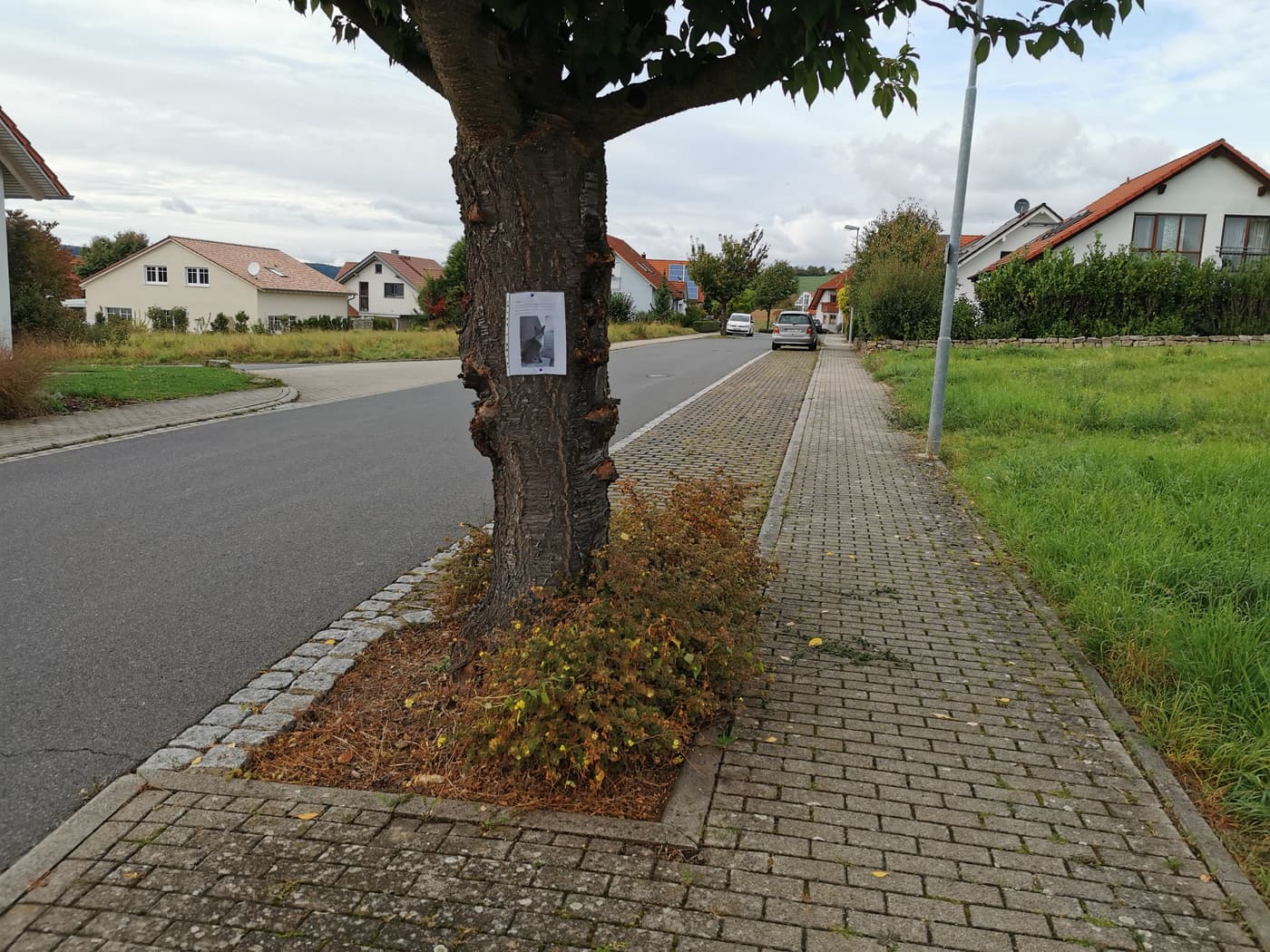
Steckbrief
Die Pinnwand
Ein Steckbrief am Baum: eine Katze wird vermisst. Name, Foto, Telefonnummer.
- Was hängt am Baum?
- Ist die Straße in der Stadt oder im Dorf?
- Hast du ein Haustier? Wie heißt es?
Auch auf dem Steckbrief · also on the profile
- der Name pl. -n name
- das Foto pl. -s photo
- das Alter no plural age
- die Stadt die Städte city
- das Land die Länder country
- die Sprache pl. -n language
- die Familie pl. -n family
 das Hobby pl. -s hobby
 das Lieblingsessen no plural favourite food
 die Lieblingsfarbe pl. -n favourite colour
 das Haustier pl. -e pet
- die Arbeit pl. -en work
 die Pinnwand die Pinnwände pin board
 der Zettel no plural note
 die Reißzwecke pl. -n drawing pin
 der Stift pl. -e pen
 das Papier pl. -e paper
- der Brief pl. -e letter
 die Katze pl. -n cat
- der Hund pl. -e dog
Wörter zuerst · words first
Lesen · reading
Vermisst: Mimi
Lena's cat has not come home for two days. Maya writes the Steckbrief, Lena pins it to every tree in the Kiez. It is the first German text Maya has written on her own.
VERMISST! Unsere Katze Mimi. Mimi ist drei Jahre alt, klein und grau. Sie hat grüne Augen und einen weißen Fuß. Sie ist sehr freundlich, aber sie hat Angst vor Hunden. Mimi wohnt in der Husemannstraße 12, vierter Stock. Sie ist seit Montag weg. Ihr Lieblingsessen ist Fisch. Haben Sie Mimi gesehen? Bitte melden: Lena, 0176 23 18 90. Danke!
Nachbar Hallo, ich bin Herr Ziegler, zweiter Stock. Eine graue Katze mit grünen Augen? Die ist in meiner Küche. Seit Montag. Sie isst meinen Fisch.
Lena Mimi! Herr Ziegler, vielen, vielen Dank!
Herr Ziegler Gern. Aber ich habe auch eine Frage. Wer ist Maya? Der Zettel ist sehr gut geschrieben. Deutsch ist nicht ihre Sprache, oder?
Maya Nein. Ich komme aus Kanada. Ich lerne Deutsch, seit zwölf Wochen.
Herr Ziegler Zwölf Wochen! Und schon ein Steckbrief. Mein Englisch nach zwölf Jahren Schule: „The cat is on the table.“ Das ist alles.
Maya Die Katze ist auf dem Tisch. Das kann ich auch.
Lena Und unter dem Sofa. Und im Bett. Und in Herrn Zieglers Küche.
English · MISSING! Our cat Mimi. Mimi is three years old, small and grey. She has green eyes and one white paw. She is very friendly, but she is afraid of dogs. Mimi lives at Husemannstraße 12, fourth floor. She has been gone since Monday. Her favourite food is fish. Have you seen Mimi? Please get in touch: Lena, 0176 23 18 90. Thank you! · Neighbour: Hello, I'm Mr Ziegler, second floor. A grey cat with green eyes? She is in my kitchen. Since Monday. She's eating my fish. · Lena: Mimi! Mr Ziegler, thank you so much! · Mr Ziegler: You're welcome. But I have a question too. Who is Maya? The note is very well written. German isn't her language, is it? · Maya: No. I come from Canada. I've been learning German for twelve weeks. · Mr Ziegler: Twelve weeks! And already a Steckbrief. My English after twelve years of school: “The cat is on the table.” That's all. · Maya: The cat is on the table. I can do that too. · Lena: And under the sofa. And in the bed. And in Mr Ziegler's kitchen.
Mimis Steckbrief
Fill in from the text.
- Alter:
- Farbe:
- Augen:
- Lieblingsessen:
- Wohnt in:
- Weg seit:
Wo ist Mimi?
Answer in a few words.
- Wo ist Mimi?
- Was isst sie?
- Wie lange lernt Maya Deutsch?
Schreib mit! · your turn
Copy the two sentences of the text you want to remember, then write one of your own in the same shape.
Grammatik · 1 of 2
Das bin ich: alles auf einer Seite
The sentences of the book, in the order a profile uses them
Ein Steckbrief, Satz für SatzEvery line is a sentence you have already written once in this book.
| the line | the sentence | chapter |
|---|---|---|
| Name | Ich heiße Maya Tremblay. | 1 |
| Alter | Ich bin 29 Jahre alt. | 2 |
| Land, Stadt | Ich komme aus Kanada. Ich wohne in Berlin. | 8 |
| Sprachen | Ich spreche Englisch, Französisch und Deutsch. | 8 |
| Wohnung | Meine Wohnung hat zwei Zimmer. | 4 |
| Familie | Ich habe eine Schwester. Sie heißt Claire. | 5 |
| Arbeit | Ich bin Lehrerin. | 11 |
| Tag | Am Morgen trinke ich Kaffee. Am Abend lese ich. | 6 |
| Hobby | Ich spiele gern Fußball. Ich höre gern Musik. | 6 |
| Lieblings… | Mein Lieblingsessen ist Käsetorte. Meine Lieblingsfarbe ist grün. | 10 |
| Haustier | Ich habe keine Katze. Lena hat eine. | 12 |
Mini-Check
Circle the right word.
- Ich bin/habe 29 Jahre alt.
- Ich komme/wohne aus Kanada.
- Meine Wohnung hat/ist zwei Zimmer.
- Mein Lieblingsessen/Lieblingessen ist Pizza.
- Ich spiele gern/gut Fußball.
- Ich habe keine/kein Katze.
Schreib mit! · your turn
Write three sentences of your own with the rule of this page. Use words from the word page.
Grammatik · 2 of 2
Die Grammatik von A1.1
Everything in two tables: the verbs and the little words
Die Verben
| who | sein | haben | möchte | wohnen | fahren |
|---|---|---|---|---|---|
| ich | bin | habe | möchte | wohne | fahre |
| du | bist | hast | möchtest | wohnst | fährst |
| er · sie · es | ist | hat | möchte | wohnt | fährt |
| wir | sind | haben | möchten | wohnen | fahren |
| ihr | seid | habt | möchtet | wohnt | fahrt |
| sie · Sie | sind | haben | möchten | wohnen | fahren |
Die kleinen WörterThe question words: wer, was, wo, woher, wohin, wann, wie, warum, wie viel, wie alt.
| der | die | das | plural | |
|---|---|---|---|---|
| the | der Tisch | die Lampe | das Buch | die Bücher |
| a / not a | ein / kein | eine / keine | ein / kein | – / keine |
| my | mein | meine | mein | meine |
| where? in | im Park | in der Stadt | im Büro | in den Bergen |
| where? on | auf dem Tisch | auf der Bank | auf dem Sofa |
Mini-Check
Circle the right word.
- ihr seid/sind
- du fährst/fahrst
- keine/kein Lampe
- mein/meine Buch
- im/in der Park
- Woher/Wo kommst du?
Schreib mit! · your turn
Write three sentences of your own with the rule of this page. Use words from the word page.
Lesen im Alltag · reading the real thing
Der Zettel am Baum. Was steht drauf? Was fehlt?
A real lost-cat notice, pinned to a tree in a village in Baden-Württemberg. You cannot read the small print, so write the notice the way it should be, with the words of this chapter.
Der Zettel
A lost-cat notice needs these six things. Write the German word for each.
- the big word at the top
- a photo
- the name
- the colour
- the street
- a phone number
Schreib den Zettel
Write the notice for a lost animal of your own: five sentences, with the words of chapter 12.
- VERMISST:
- Das Tier ist (Alter, Farbe).
- Es hat .
- Es wohnt in .
- Bitte melden: .
Schreib mit! · your turn
Write down every German word you can read on the photo, with its article if it is a noun.
Übungen · practise 1 of 2
Steckbrief
Which form?
Circle the right word.
- Woher kommst/kommt du?
- Wir sind/seid müde.
- Lena hat/habt ein Handy.
- Ich heiße/heißt Max.
- Ihr spielt/spielen Fußball.
- Das Brot kostet/kosten zwei Euro.
Which form?
Circle the right word.
- Du liest/lest gern.
- Er fährt/fahrt Bus.
- Ihr esst/isst Brot.
- Lena spricht/sprecht Englisch.
More than one
Write the plural with die.
- das Kind
- die Frau
- der Hund
- das Auto
der, die or das?
Write each word in its column.
HaustürKuchenZimmerSchwesterBruderKindSonneBaumBild
Ask the question
Here is the answer. Write the question.
- Ich wohne in Wien.
- Das ist Paul.
- Ich komme aus der Schweiz.
Schreib mit! · your turn
Pick five words from this chapter and write one sentence with each.
Übungen · practise 2 of 2
Steckbrief
du or Sie?
Write each question the other way.
- Wie heißt du?
- Wo wohnen Sie?
- Hast du Zeit?
Where?
Circle the right words.
- Ich bin im/am Büro.
- Er ist am/im Bahnhof.
- Wir sind in der/im Schule.
Mein Steckbrief
The last exercise of the book: your profile, in full sentences. Pin it somewhere you will see it.
- Name:
- Alter:
- Land und Stadt:
- Sprachen:
- Familie:
- Arbeit:
- Hobby:
- Lieblingsessen:
- Lieblingsfarbe:
- Haustier:
Bilder-Check
Write each word with der, die or das. No peeking at the word page.
Schreib mit! · your turn
Write what you got wrong on these two pages, correctly, once each.
Hören, sprechen, können
Steckbrief
A dictation of twelve profile sentences, and the whole lost-cat story read aloud. Write the dictation, then read your own Steckbrief to the mirror.
languagequiz.org/b/a1-20Open the code for the closing conversation: seven minutes with the tutor about you, from your name to your favourite food. Everything in this book, out loud.
languagequiz.org/b/a1-31The chapter's exercise with instant correction and the medal ladder.
languagequiz.org/b/a1-35Ich kann … · I can
- write a profile of myself in ten sentences
- describe an animal or a person: age, colour, what it likes
- read a notice on a tree and know what it asks
- use every verb form and every article of A1.1
Done? Tick what you can, circle what you got wrong on the practice pages, and come back to those in a week. The answers are on page 124.
Meine Notizen · my notes
Bildwörterbuch · picture dictionary
Steckbrief
Every pictured word of this chapter on one page. Cover the words, say them from the pictures; cover the pictures, draw them from the words.
- der Name pl. -n name
- das Foto pl. -s photo
- das Alter no plural age
- die Stadt die Städte city
- das Land die Länder country
- die Sprache pl. -n language
- die Familie pl. -n family
- das Hobby pl. -s hobby
- das Lieblingsessen no plural favourite food
- die Lieblingsfarbe pl. -n favourite colour
- das Haustier pl. -e pet
- die Arbeit pl. -en work
- die Pinnwand die Pinnwände pin board
- der Zettel no plural note
- die Reißzwecke pl. -n drawing pin
- der Stift pl. -e pen
- das Papier pl. -e paper
- der Brief pl. -e letter
- die Katze pl. -n cat
- der Hund pl. -e dog
Lösungen · the key
Answers · 1 of 6
1 Hallo! Das bin ich
Lesen
1 Richtig oder falsch? · Kanada · Berlin · Studentin · Musik · Sie
2 Wer sagt das? · „Ist der Stuhl frei?“ Lena · „Ich bin Lehrerin.“ Maya · „Was möchten Sie?“ der Kellner · „Dein Deutsch ist gut!“ Lena
Grammatik
1 Mini-Check · Wie heißen · komme · Wo · heiße · wohnst · Wie
2 Mini-Check · Wer · Wohin · Hast · Was · Kommst · Woher
Lesen im Alltag
1 Lies das Schild · zehn · Beimer · Brooks · Schildknecht
2 Wer ist das? · Wie heißen Sie? · Wo wohnen Sie? · Wie geht’s?
3 Dein Klingelschild · Your own names.
Übungen
1 du or Sie? · a child du · a doctor Sie · your best friend du · a shop assistant Sie
2 Question and answer · Wie heißt du? Ich heiße Paul. · Woher kommst du? Ich komme aus Österreich. · Wo wohnst du? Ich wohne in Wien. · Was sprichst du? Ich spreche Deutsch und Englisch. · Wie geht’s? Gut, danke!
3 Max stellt sich vor · England · München · zwanzig · Rocky
4 Now say it politely · Wie heißt du? Wie heißen Sie? · Woher kommst du? Woher kommen Sie? · Wo wohnst du? Wo wohnen Sie? · Wie alt bist du? Wie alt sind Sie?
5 Which question word? · Woher · Wer · Wie · Wo · Was · Wohin
6 Ask the question · Ich heiße Max. Wie heißt du? · Ich komme aus England. Woher kommst du? · Ich wohne in München. Wo wohnst du? · Ich fahre nach Berlin. Wohin fährst du?
7 Verb first · du / Zeit / haben Hast du Zeit? · ihr / Fußball / spielen Spielt ihr Fußball? · Lena / Deutsch / sprechen Spricht Lena Deutsch?
8 Das bin ich · About you — check each sentence against the table on the left page.
9 Bilder-Check · der Mann · der Freund · der Student · der Lehrer · die Familie · das Café · der Späti · das Haus · die Straße · der Tisch · das Fenster · das Land
2 Zahlen und Preise
Lesen
1 Richtig oder falsch? · 1,50 € · 25 Cent · Chips und Eis · sechs Euro · 0176
2 Was kostet das? · eine Flasche Wasser 1,50 € · das Pfand 0,25 € · die Chips 2,10 € · ein Eis 1,20 € · alles zusammen 6,00 € · Mayas Telefonnummer (in Ziffern) 0176 23 18 90
Grammatik
1 Mini-Check · 16 · 17 · Kind · 12 · zwei · 13
2 Mini-Check · siebenundvierzig · zwei Euro fünfzig · ein Euro zwanzig · neunzig · achtzig Cent · sechsundsechzig
Lesen im Alltag
1 Lies das Schild · coffee Kaffee · cold drinks Kalte Getränke · sweets Süßwaren · cash machine Geldautomat · coffee to take away Kaffee to go · to copy Kopieren
2 Was gibt es, was gibt es nicht? · ja · nein · ja · nein · ja · ja
3 Im Späti um Mitternacht · Your own choice; the sum must be five euros or less.
Übungen
1 Write it in words · 3 drei · 7 sieben · 11 elf · 12 zwölf · 15 fünfzehn · 16 sechzehn · 17 siebzehn · 20 zwanzig
2 Twins · 2 zwei · 12 zwölf · 6 sechs · 16 sechzehn · 7 sieben · 17 siebzehn
3 Write it in words · 21 einundzwanzig · 30 dreißig · 47 siebenundvierzig · 58 achtundfünfzig · 61 einundsechzig · 76 sechsundsiebzig · 85 fünfundachtzig · 99 neunundneunzig
4 Sixes and sevens · 17 siebzehn · 70 siebzig · 76 sechsundsiebzig · 67 siebenundsechzig · 16 sechzehn · 60 sechzig
5 Phone numbers · 0 1 7 6 null – eins – sieben – sechs · 0 8 9 2 null – acht – neun – zwei (or zwo)
6 Rechnen auf Deutsch · sieben plus acht = fünfzehn · zwanzig minus elf = neun · drei mal sechs = achtzehn · zwölf minus zwölf = null
7 Prices · 3,50 € drei Euro fünfzig · 1,20 € ein Euro zwanzig · 0,90 € neunzig Cent · 12,99 € zwölf Euro neunundneunzig
8 Your numbers · Your own numbers — check the spelling against the left page.
9 Bilder-Check · der Späti · die Flasche · das Wasser · der Saft · der Wein · die Schokolade · der Kaugummi · das Geld · der Cent · der Schein · die Karte · der Preis
Lösungen · the key
Answers · 2 of 6
3 Auf dem Markt
Lesen
1 Richtig oder falsch? · Äpfel · 2,90 € · zehn · eine Brezel · zehn Cent
2 Was kostet das? · ein Kilo Äpfel 2,90 € · ein Pfund Kirschen 3,70 € · zehn Kirschen 1,00 € · eine Brezel 1,10 € · alles zusammen, mit Tüte 5,10 € · Mayas Rest von 20 Euro 14,90 €
Grammatik
1 Mini-Check · Äpfel · sieben Euro fünfundvierzig · zwölfhundert Euro · Kirschen · Käse · zweihundertfünfzig
2 Mini-Check · möchte · kosten · Eier · Möchtest · kostet · Stück
Lesen im Alltag
1 Lies die Schilder · 2,90 · 3,40 · 3,50 (or 4,50) · 1,00 · 2,00
2 Woher kommt das? · Neuseeland · Argentinien · China oder Chile
3 Du hast 10 Euro · Your own shopping — any two items whose prices add up to ten euros or less.
Übungen
1 Preise · 3,50 € drei Euro fünfzig · 1,20 € ein Euro zwanzig · 0,90 € neunzig Cent · 12,99 € zwölf Euro neunundneunzig · 250 € zweihundertfünfzig Euro · 1.200 € tausendzweihundert Euro
2 möchte · möchte · Möchtest · möchten · möchten · möchte
3 Einer oder viele? · Äpfel · Eier · Brote · Tomaten · Kirschen · Würste
4 Auf dem Markt · ein Stück Käse 4,00 € · ein Brot 2,10 € · ein Kilo Äpfel 2,00 € · die Kartoffeln 1,10 € · zehn Eier 2,20 € · die Bananen 3,00 €
5 Am Stand · 1 Guten Tag! Was möchten Sie? · 2 Ich möchte ein Kilo Kartoffeln, bitte. · 3 Gern. Möchten Sie auch Tomaten? · 4 Ja, ein Pfund, bitte. Was kostet das zusammen? · 5 Das macht vier Euro zwanzig. · 6 Hier, bitte. Danke, tschüss!
6 Deine Einkaufsliste · Your own list — check the words against the word page.
7 Finde den Fehler · Ich möchte ein Kilo Apfel. Ich möchte ein Kilo Äpfel. · Das kostet zwei Euros fünfzig. Das kostet zwei Euro fünfzig. · Was kostet die Tomaten? Was kosten die Tomaten?
8 Große Zahlen · 120 hundertzwanzig · 350 dreihundertfünfzig · 999 neunhundertneunundneunzig · 1.000 tausend · 2.500 zweitausendfünfhundert · 10.000 zehntausend
9 Sag es auf Deutsch · I would like a kilo of tomatoes, please. Ich möchte ein Kilo Tomaten, bitte. · What does the cheese cost? Was kostet der Käse? · That comes to three euros ten. Das macht drei Euro zehn.
10 Bilder-Check · der Apfel · die Birne · die Erdbeere · die Tomate · die Kartoffel · die Karotte · das Brot · der Käse · die Wurst · der Stand · die Waage · der Korb
4 Meine Wohnung
Lesen
1 Richtig oder falsch? · vierten Stock · 1905 · zwei · klein · 600 €
2 Wo ist Mimi? · 1. unter dem Sofa · 2. auf dem Schrank · 3. im Bett
Grammatik
1 Mini-Check · die · ein · kein · das · die · eine
2 Mini-Check · Stühle · auf dem · an der · Betten · unter dem · neben dem
Lesen im Alltag
1 Was ist das? · the sofa das Sofa · the table der Tisch · the chair der Stuhl · the floor der Boden · the wall die Wand · the game das Spiel
2 Wo ist …? · auf dem Tisch · an der Wand · neben dem Tisch · vor dem Sofa
3 Wie viele? · drei · zwei · eins
Übungen
1 What is it? · der Tisch · die Lampe · das Buch · der Stuhl · die Tür · das Fenster
2 Three columns · der Hund, Schlüssel, Mann · die Katze, Uhr, Tasche · das Auto, Haus, Mädchen
3 ein or eine? · ein · eine · ein · eine · ein · eine
4 Make it more · der Tisch die Tische · die Lampe die Lampen · das Kind die Kinder · das Auto die Autos · der Stuhl die Stühle · die Katze die Katzen · das Buch die Bücher · der Schlüssel die Schlüssel
5 One or many? · Tische · Kind · Äpfel · Lampe · Autos · Eier
6 Wo ist …? · auf dem Sofa · unter dem Tisch · vor dem Sofa · an der Wand · neben dem Tisch
7 im or in der? · im · in der · im · in · am · beim
8 Meine Wohnung · Your own flat.
9 Bilder-Check · die Wohnung · die Küche · das Schlafzimmer · der Flur · der Hof · die Treppe · der Stuhl · das Bett · das Regal · der Teppich · die Pflanze · der Kühlschrank
Lösungen · the key
Answers · 3 of 6
5 Meine Familie
Lesen
1 Wer ist wer? · Gisela die Oma · Peter der Vater · Lisa die Tante · Tom der Bruder · Heinz der Opa · Finn das Baby
2 Wie alt? · Oma Gisela 70 · Opa Heinz 72 · Tom 16 · der Hund 14 · Finn (in Monaten) 4
Grammatik
1 Mini-Check · meine · mein · rot · meine · mein · blau
2 Mini-Check · bin · haben · Hast · ist · habe · hat
Lesen im Alltag
1 Lies das Telegramm · der Geburtstag · Sohn (Raimond) · Emmerich · 14.42
2 Mit Umlaut · GLUECKWUNSCH Glückwunsch · MUELLER Müller · SCHOEN schön · KAESE Käse
3 Dein Telegramm · Your own wish.
Übungen
1 Lena’s family · Bruder · Schwester · Vater · Mutter · Opa · Tante
2 mein or meine? · mein · meine · meine · mein · meine · mein
3 haben · habe · Hast · hat · haben · Habt · haben
4 sein, haben or möchte? · habe · bin · ist · möchten · Hast · möchte
5 Colour it in · Check your picture against each sentence.
6 Meine Familie · Your own family.
7 Bilder-Check · die Mutter · die Eltern · der Bruder · der Opa · der Onkel · der Sohn · der Kuchen · die Sahne · der Tee · der Teller · der Löffel · das Geschenk
6 Ein Tag in Hamburg
Lesen
1 Montag oder Sonntag? · Montag · Sonntag · Montag · Sonntag · Sonntag · Montag
2 Was macht Max? · am Morgen, Kaffee → Max trinkt Kaffee. · am Abend, ein Buch → Er liest ein Buch. · am Sonntag, ein Fischbrötchen → Er kauft ein Fischbrötchen.
Grammatik
1 Mini-Check · wohnst · arbeitet · lernen · koche · spielt · arbeitest
2 Mini-Check · fährt · isst · lest · schläft · liest · essen
Lesen im Alltag
1 Was machen sie? · sitzen · trinken · spielt · isst
2 Und du? · Your own answers.
3 Mein Sonntag · Your own Sunday.
Übungen
1 The right ending · ich (lernen) lerne · du (spielen) spielst · er (kochen) kocht · wir (hören) hören · ihr (kaufen) kauft · sie (trinken) trinken · du (arbeiten) arbeitest · er (arbeiten) arbeitet
2 Complete the sentences · wohne · machst · spielt · lernen · Trinkt · hört
3 Who is cooking? · ich koche · du kochst · er kocht · wir kochen
4 du changes · fahren du fährst · schlafen du schläfst · sprechen du sprichst · essen du isst · nehmen du nimmst · geben du gibst · lesen du liest · sehen du siehst
5 Complete the sentences · fährt · liest · spricht · isst · nehme · lesen
6 Which form? · fährst · nimmt · lese · esst · schläft · sprechen
7 Your week · About you — check it against the left page.
8 Bilder-Check · der Morgen · das Brötchen · das Büro · der Abend · die Nacht · die Dusche · der Hafen · die Fähre · der Markt · der Zug · die Musik · das Buch
Lösungen · the key
Answers · 4 of 6
7 Wo bist du?
Lesen
1 Wo ist das? · hinter dem Bahnhof · am Rhein · in der Altstadt · im Brauhaus
2 Fragen · Woher kommt Maya? Aus Kanada. · Wie groß ist ein Kölsch? 0,2 Liter. · Wie viele Gläser hat Maya am Abend? Drei oder vier.
Grammatik
1 Mini-Check · im · in der · beim · im · an der · bei
2 Mini-Check · Woher · nach · geradeaus · Wo · aus · rechts
Lesen im Alltag
1 Lies den Plan · S 19 · S 11 · none — they are next to each other (Hansaring is before the Hauptbahnhof) · vier (S 6, S 11, S 12, S 19)
2 Was bedeutet das Symbol? · Übergang zur Stadtbahn · Flughafen · Fernverkehr
3 Deine Fahrt · S 19 · Köln/Bonn Flughafen
Übungen
1 im or in der? · im · in der · im · in · am · beim
2 Question and answer · Wie alt bist du? Ich bin zwanzig. · Wann kommt der Bus? Um acht. · Wer ist das? Das ist Lena. · Was liest du? Ein Buch. · Wie viel kostet das? Zwei Euro.
3 Wo bist du? · at the cinema im Kino · at school in der Schule · at the station am Bahnhof · at the doctor's beim Arzt · in the park im Park · at the university an der Uni
4 wo, woher oder wohin? · Wo · Wohin · Woher · Wo
5 Find the mistake · Ich bin in der Büro. Ich bin im Büro. · Lena ist im Schule. Lena ist in der Schule. · Max ist am Arzt. Max ist beim Arzt.
6 Say it in German · The cat is under the table. Die Katze ist unter dem Tisch. · The ball is on the sofa. Der Ball ist auf dem Sofa.
7 Your day · About you — check it against the left page.
8 Bilder-Check · die Stadt · der Platz · die Kirche · der Fluss · der Bahnhof · die Straßenbahn · das Museum · die Schule · das Büro · die Apotheke · die Bank · das Restaurant
8 Länder und Sprachen
Lesen
1 Wer ist das? · Maya · der Mann · der Mann · Maya · der Mann
2 Woher? · Maya kommt aus Kanada · Der Mann kommt aus der Türkei · Der Kaffee kommt aus Italien · Die Tochter wohnt in Toronto
Grammatik
1 Mini-Check · Spanien · der · Italienerin · Deutsch · den · Franzose
2 Mini-Check · Norden · Süden · Osten · Westen · Norden · liegt
Lesen im Alltag
1 Lies die Tafel · 17:10 · 114 · sechs · B 675–678
2 In welchem Land? · Luxemburg · Italien · Österreich · Schweiz · Bulgarien · Belarus
3 Deutsch oder Englisch? · Munich München · Cologne Köln · Nuremberg Nürnberg · Basle Basel
Übungen
1 What do they speak? · Frankreich Französisch · Spanien Spanisch · Italien Italienisch · die Türkei Türkisch · England Englisch · Österreich Deutsch
2 aus … · der Schweiz · Spanien · den USA · der Türkei
3 Who is what? · Engländer · Österreicherin · Italiener · Französin
4 Wo ist das? · Norden · Süden · Westen · Süden
5 Welche Sprache? · Portugiesisch · Spanisch · Französisch · Englisch
6 And you? · About you — check it against the left page.
7 Bilder-Check · das Land · die Welt · die Grenze · die Landkarte · die Flagge · die Sprache · der Norden · der Süden · der Osten · der Westen · das Meer · der Berg
Lösungen · the key
Answers · 5 of 6
9 Das Alphabet und ein Formular
Lesen
1 Richtig oder falsch? · 248 · eine Stunde · Tremblay · Pass · Willkommen
2 Das Formular · surname Familienname · first name Vorname · date of birth Geburtsdatum · nationality Staatsangehörigkeit
Grammatik
1 Mini-Check · Vau · We · Jott · Zett · A · E
2 Mini-Check · ü · ß · München · bed · München · Ä
Lesen im Alltag
1 Lies den Pass · Bundesrepublik Deutschland · Reisepass · der Adler · rot (weinrot)
2 Dein Formular · Your own details.
Übungen
1 Letters in disguise · E E · I I · J Jott · V Vau · W We · Z Zett · Y Ypsilon · ß Eszett
2 Say it in letters · VW Vau – We · BMW Be – Em – We · USA U – Es – A · ZDF Zett – De – Ef
3 Read the spelling · Em – A – Ix Max · We – I – E – En Wien · Be – E – Er – El – I – En Berlin · Te – Es – Ce – Ha – U-Umlaut – Es – Es Tschüss
4 Dots or no dots? · Tsch _ ss ü (Tschüss) · M _ nchen ü (München) · _ sterreich Ö (Österreich) · hei _ en ß (heißen) · gro _ ß (groß)
5 Am Telefon · LENA Leipzig – Essen – Nürnberg – Aachen · MAX München – Aachen – Xanten · KURT Köln – Unna – Rostock – Stuttgart
6 Your name, the German way · About you — check each letter against the alphabet on the left page.
7 Bilder-Check · das Amt · das Formular · die Anmeldung · die Nummer · das Wartezimmer · die Beamtin · der Stempel · die Unterschrift · der Pass · der Ausweis · die Adresse · der Brief
10 Im Café
Lesen
1 Richtig oder falsch? · mit Milch · zwölf · Käsetorte · nichts · acht
2 Die Rechnung · ein Milchkaffee 3,50 € · ein Stück Käsetorte 3,50 € · zusammen 7,00 € · Trinkgeld 1,00 €
Grammatik
1 Mini-Check · Einen · Eine · etwas · Rechnung · so · getrennt
2 Mini-Check · habe · möchten · Ist · hast · möchtest · ist
Lesen im Alltag
1 Lies die Karte · 3,50 · 2,70 · 2,20 · 3,50 · 3,50
2 Was bedeutet das? · without caffeine · home-made · with lemon if you want · choose your cake at the counter
3 Deine Bestellung · Your own order, under seven euros.
Übungen
1 sein · bin · bist · ist · sind · seid · sind
2 haben · habe · Hast · hat · haben · Habt · haben
3 sein, haben or möchte? · habe · bin · ist · möchten · Hast · möchte
4 Im Café · 1 Guten Tag, was möchten Sie? · 2 Einen Tee mit Zitrone, bitte. · 3 Gern. Sonst noch etwas? · 4 Nein, danke. Zahlen, bitte. · 5 Das macht vier Euro zwanzig. · 6 Fünf, bitte. Stimmt so.
5 Sag es höflich · A coffee with milk, please. Einen Kaffee mit Milch, bitte. · A slice of cake and a glass of water, please. Ein Stück Kuchen und ein Glas Wasser, bitte. · The bill, please. Together. Die Rechnung, bitte. Zusammen.
6 Finde den Fehler · Ein Kaffee mit Milch, bitte. Einen Kaffee mit Milch, bitte. · Ich bin Hunger. Ich habe Hunger. · Was möchtest Sie? Was möchten Sie?
7 And you, today? · About you — check it against the left page.
8 Bilder-Check · der Kaffee · der Kakao · das Wasser · der Zucker · die Torte · das Brötchen · die Marmelade · das Ei · der Salat · die Speisekarte · das Glas · das Trinkgeld
Lösungen · the key
Answers · 6 of 6
11 Wörter bauen
Lesen
1 Was braucht Maya? · Schrauben · einen Nagel · zwölf · 2,90 €
2 Zwei Wörter, ein Wort · Baumarkt Bau + Markt · Bücherregal Bücher + Regal · Schraubenzieher Schrauben + Zieher · Handwerkerin Hand + Werker + -in
Grammatik
1 Mini-Check · Studentin · Ärztin · Köchin · Lehrerinnen · Lehrerin · Engländer
2 Mini-Check · die · der · das · Schokoladenkuchen · for children · die
Lesen im Alltag
1 Zähle · elf · eine · zwei (one tall, one behind)
2 Lange Wörter · Fenster + Laden der Fensterladen · Haus + Tür die Haustür · Garten + Zaun der Gartenzaun · Brief + Kasten der Briefkasten · Eisen + Waren + Handlung die Eisenwarenhandlung · Dach + Fenster das Dachfenster
3 Dein Haus · Your own compounds.
Übungen
1 Now a woman · der Lehrer die Lehrerin · der Student die Studentin · der Freund die Freundin · der Arzt die Ärztin · der Koch die Köchin · der Spanier die Spanierin
2 Build the word · das Haus + die Tür die Haustür · der Apfel + der Kuchen der Apfelkuchen · die Kinder + das Zimmer das Kinderzimmer · der Käse + der Kuchen der Käsekuchen · die Banane + das Brot das Bananenbrot
3 Which article? · die · der · das · die
4 Find the mistake · Der Haustür ist rot. Die Haustür ist rot. · Lena ist Lehrer. Lena ist Lehrerin. · Das Apfelkuchen ist gut. Der Apfelkuchen ist gut.
5 Im Baumarkt · for a nail der Hammer · for a screw der Schraubenzieher · for a wall die Farbe (und der Pinsel) · for the high shelf die Leiter
6 Say it in German · My friend (a woman) is a doctor. Meine Freundin ist Ärztin. · The children’s room is green. Das Kinderzimmer ist grün. · Is that a cake? Ist das ein Kuchen?
7 Bilder-Check · das Werkzeug · der Hammer · die Säge · die Schraube · der Nagel · die Leiter · die Farbe · der Pinsel · die Lampe · das Regal · der Schraubenzieher · die Waschmaschine
12 Steckbrief
Lesen
1 Mimis Steckbrief · drei Jahre · grau (ein weißer Fuß) · grün · Fisch · Husemannstraße 12, vierter Stock · Montag
2 Wo ist Mimi? · Wo ist Mimi? In Herrn Zieglers Küche. (zweiter Stock) · Was isst sie? Fisch. · Wie lange lernt Maya Deutsch? Seit zwölf Wochen.
Grammatik
1 Mini-Check · bin · komme · hat · Lieblingsessen · gern · keine
2 Mini-Check · seid · fährst · keine · mein · im · Woher
Lesen im Alltag
1 Der Zettel · the big word at the top VERMISST (or GESUCHT) · a photo ein Foto · the name der Name · the colour die Farbe · the street die Straße · a phone number die Telefonnummer
2 Schreib den Zettel · Your own notice.
Übungen
1 Which form? · kommst · sind · hat · heiße · spielt · kostet
2 Which form? · liest · fährt · esst · spricht
3 More than one · das Kind die Kinder · die Frau die Frauen · der Hund die Hunde · das Auto die Autos
4 der, die or das? · der Kuchen, Bruder, Baum · die Haustür, Schwester, Sonne · das Zimmer, Kind, Bild
5 Ask the question · Ich wohne in Wien. Wo wohnst du? · Das ist Paul. Wer ist das? · Ich komme aus der Schweiz. Woher kommst du?
6 du or Sie? · Wie heißt du? Wie heißen Sie? · Wo wohnen Sie? Wo wohnst du? · Hast du Zeit? Haben Sie Zeit?
7 Where? · im · am · in der
8 Mein Steckbrief · Your own profile.
9 Bilder-Check · der Name · das Foto · das Alter · die Stadt · das Land · die Sprache · die Familie · das Hobby · das Lieblingsessen · die Lieblingsfarbe · das Haustier · die Arbeit
Lösungen · the key
Picture credits
Die Fotos · picture credits
Bergmannstrassen-Szene mit Kaiser's in Berlin-Kreuzberg (2016).jpg — JoachimKohler-HB, CC BY-SA 4.0, Wikimedia Commons.
Berlin U-Bahnhof Französische Straße Eingang 3.jpg — Karsten Hoffmeyer, CC BY-SA 4.0, Wikimedia Commons.
Street Food Berlin.jpg — onnola, CC BY-SA 2.0, Wikimedia Commons.
Eckkneipe Skalitzer Straße 46B.jpg — SKopp, CC BY 4.0, Wikimedia Commons.
Klingelschild Lindenstraße.jpg — Jedesto, CC BY-SA 4.0, Wikimedia Commons.
Späti Berlin-Kaiserdamm.jpg — Jeuwre, CC BY-SA 4.0, Wikimedia Commons.
Euro coins and banknotes.jpg — Avij (talk · contribs), Public domain, Wikimedia Commons.
Hausnummer 41.jpg — Pemba.mpimaji, CC BY-SA 3.0, Wikimedia Commons.
Spätkauf in Berlin-Kreuzberg.jpg — Nicolas Bouliane, CC BY-SA 4.0, Wikimedia Commons.
Viktualienmarkt 2018-09-12 8714.jpg — Henning Schlottmann (User:H-stt), CC BY-SA 4.0, Wikimedia Commons.
Obst am Viktualienmarkt.jpg — Burkhard Mücke, CC BY-SA 4.0, Wikimedia Commons.
Pretzel pole (Unsplash).jpg — Kristina Balić daisyk9, CC0, Wikimedia Commons.
Käsestand auf dem Viktualienmarkt in München.JPG — Maximilian Dörrbecker (Chumwa), CC BY-SA 2.5, Wikimedia Commons.
Münster, Wochenmarkt -- 2015 -- 7410.jpg — Dietmar Rabich, CC BY-SA 4.0, Wikimedia Commons.
PrenzlauerBergHusemannstraße-1.jpg — Fridolin freudenfett (Peter Kuley), CC BY-SA 3.0, Wikimedia Commons.
Hinterhof in der Nehringstraße 34, Berlin-Charlottenburg, Bild 2.jpg — Neuköllner, CC BY-SA 4.0, Wikimedia Commons.
Gasetagenheizung IMG 0897 Gasetagenheizung.jpg — Ribax, CC BY-SA 4.0, Wikimedia Commons.
Perspektive Denkmalschutz im Prenzlauer Berg.jpg — Berlinschneid, CC BY-SA 4.0, Wikimedia Commons.
Museumswohnung GGH, Wohnzimmer 01.jpg — Nemracc, CC BY-SA 4.0, Wikimedia Commons.
Kaffee und Kuchen.JPG — Dinkum, CC0, Wikimedia Commons.
Zupfkuchen mit Kaffee und Wasser.jpg — Burkhard Mücke, CC BY-SA 4.0, Wikimedia Commons.
Familienfoto der Müllers um 1920.jpg — Abbildungen: Kai Müller, CC BY-SA 4.0, Wikimedia Commons.
Glückwunsch-Telegramm Deutsche Bundepost mit Musik-8288.jpg — Raimond Spekking, CC BY-SA 4.0, Wikimedia Commons.
Hamburg, St.-Pauli-Fischmarkt (und Hafen) -- 2016 -- 3072.jpg — Dietmar Rabich, CC BY-SA 4.0, Wikimedia Commons.
Hamburg, St.-Pauli-Fischmarkt, Fischauktionshalle -- 2016 -- 3087.jpg — Dietmar Rabich, CC BY-SA 4.0, Wikimedia Commons.
HADAG Fähre Altona.jpg — Dkvtig, CC BY-SA 4.0, Wikimedia Commons.
Hohenzollernbrücke Kölner Dom.jpg — Thomas Wolf (Der Wolf im Wald), CC BY-SA 3.0, Wikimedia Commons.
Liebesschlösser Köln.jpg — Martin Falbisoner, CC BY-SA 3.0, Wikimedia Commons.
Brauhaus Gaffel Kölsch 2.jpg — Gordito1869, CC BY 3.0, Wikimedia Commons.
KVB Cologne - 4007 - Route 7.jpg — Aubrey, CC BY-SA 4.0, Wikimedia Commons.
S-Bahn-Koeln-Netz-2021.jpg — Janjiis, CC BY-SA 4.0, Wikimedia Commons.
Frankfurt Flughafen Fernbahnhof 2.jpg — ubahnverleih, CC0, Wikimedia Commons.
Flags of Europe Strasbourg.jpg — TeaMeister, CC BY 2.0, Wikimedia Commons.
Sauertalbrücke, Grenzschild zu Deutschland-145343.jpg — Raimond Spekking, CC BY-SA 4.0, Wikimedia Commons.
Autobahn-A3-Flughafen-Rhein-Main-2013-Ffm-035.jpg — Simsalabimbam, CC BY-SA 3.0, Wikimedia Commons.
Flughafen Frankfurt Anzeigetafel.jpg — MaikMeid, CC BY-SA 3.0, Wikimedia Commons.
Bürgeramt Hohenzollerndamm 20141003 15.jpg — Sebastian Rittau, CC BY 4.0, Wikimedia Commons.
Reisepass BRD aussen 01.jpg — Auge=mit, CC BY-SA 4.0, Wikimedia Commons.
2021-08-01 Bürgeramt Schützenplatz 01.jpg — Bärbel Miemietz, CC BY-SA 4.0, Wikimedia Commons.
German Passport of 1994.jpg — Opihuck, Public domain, Wikimedia Commons.
Cafe Riquet interior (7793278612).jpg — Thomas Quine, CC BY 2.0, Wikimedia Commons.
2026-06-03 Quiche im Kaffeehaus Riquet.jpg — Burkhard Mücke, CC BY-SA 4.0, Wikimedia Commons.
Kaffeehaus Riquet (1).jpg — Pakeha, CC BY-SA 4.0, Wikimedia Commons.
Speisekarte Cafe Jungfernheide Kaffee und Torten.jpg — Druswc, CC0, Wikimedia Commons.
SPB-TH-Innen.jpg — Riquix, CC BY 4.0, Wikimedia Commons.
Sonderpreis Baumarkt Bautzen (1).jpg — Fiver, der Hellseher, CC BY-SA 4.0, Wikimedia Commons.
Erdinger Str. 3 Anzing-1.jpg — Rufus46, CC BY-SA 4.0, Wikimedia Commons.
Steckbrief Vermisste Hauskatze im Wohngebiet Kirschengarten in Tauberbischofsheim 2.jpg — Triplec85, CC BY-SA 4.0, Wikimedia Commons.
Pinnwand Moderation.jpg — Maximilian Dörrbecker (Chumwa), CC BY-SA 2.5, Wikimedia Commons.
Word pictures and diagrams: Language Quiz.
Deutsch A1.1 · Erste Schritte
German, one place at a time.
A Späti at midnight. A market in Munich. A flat in Prenzlauer Berg, Sunday cake at Oma’s, the fish market at five in the morning. Twelve chapters, twelve real places, and the German you need in each of them.
- 1 Bergmannstraße, Berlin-Kreuzberg
- 2 Ein Späti in Berlin, abends
- 3 Viktualienmarkt, München
- 4 Ein Altbau in Prenzlauer Berg
- 5 Kaffee und Kuchen am Sonntag
- 6 Hamburg: Fischmarkt, Elbe, Hafen
- 7 Köln: Dom, Rhein, Kölsch
- 8 Flughafen Frankfurt
- 9 Das Bürgeramt
- 10 Ein Kaffeehaus in Leipzig
- 11 Im Baumarkt
- 12 Die Pinnwand
After this book you can
- say hello and goodbye at any time of day
- count to a hundred
- ask what something costs and understand the answer
- name the rooms of a flat and the furniture in them
- name the people in my family and say who is whose
- say what I do in the morning, at noon and in the evening
- name twenty places in a city
- say where I come from, with aus and the right article
- say the German alphabet, including the six letters in disguise
- order a drink and a cake politely
- make the female form of a job or a nationality
- write a profile of myself in ten sentences
Words first. Every chapter opens on a photograph with the words pinned to the things, so the first German you learn is what you can see.
Real German. A price board, a doorbell, a menu, a form at the Bürgeramt: the texts Germany actually prints, photographed and read.
Paper and phone. Write in the book. Scan a code and the chapter is read aloud, a tutor talks with you, or the exercise opens in the app.
Free. The whole course, A1 to C2, is free at languagequiz.org. This book is its paper half.