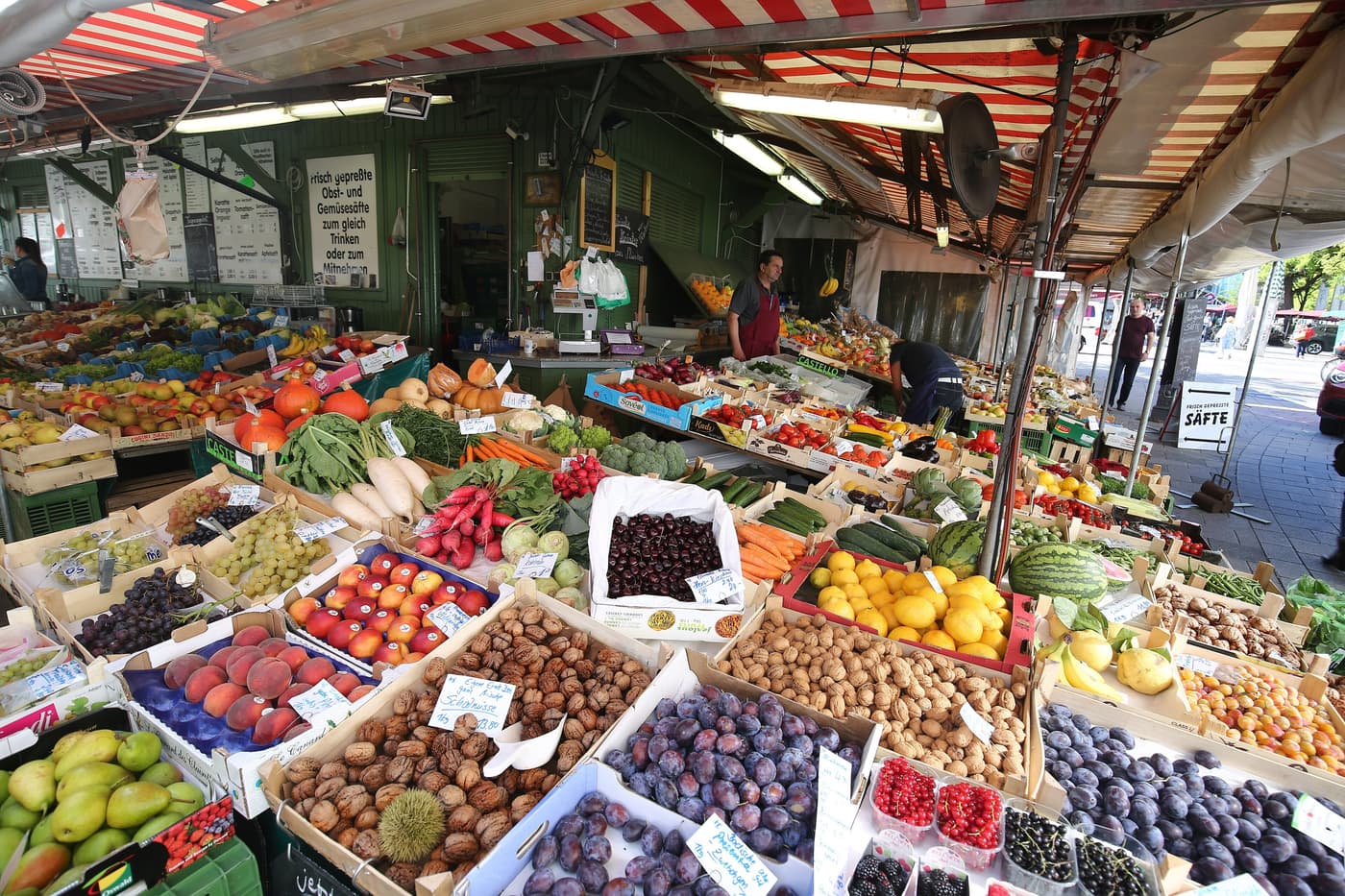
 Henning Schlottmann (H-stt), CC BY-SA 4.0
Chapter 3 of 12 · Viktualienmarkt, München
Auf dem Markt
This chapter of your book: the words as cards, the text read aloud, and every exercise to check.
0 / 17 exercises checked
Wörter zuerst
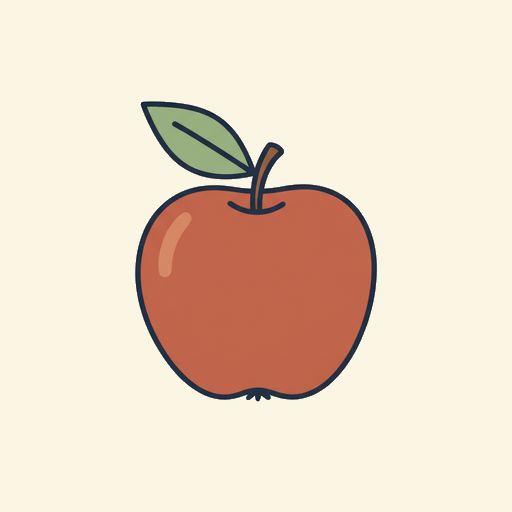 der Apfel apple
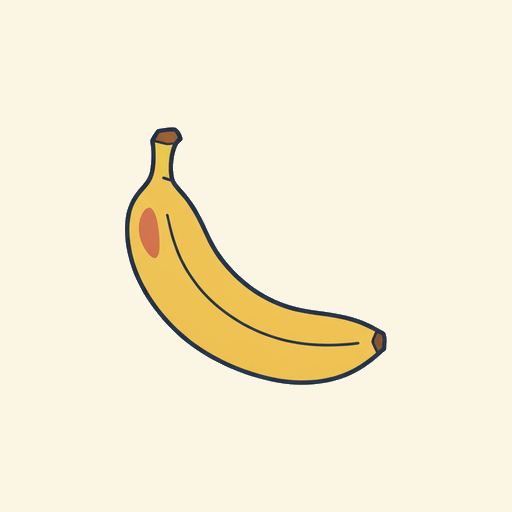 die Banane banana
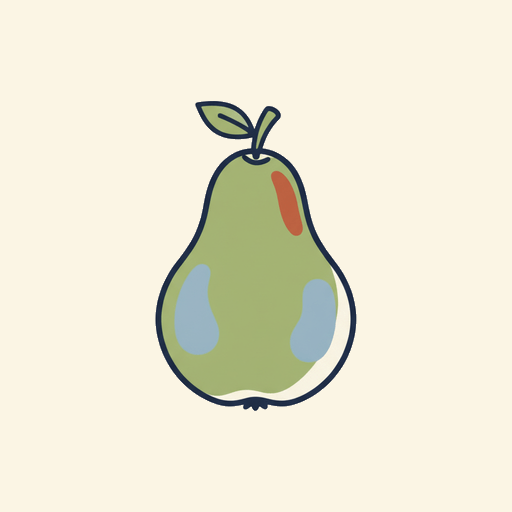 die Birne pear
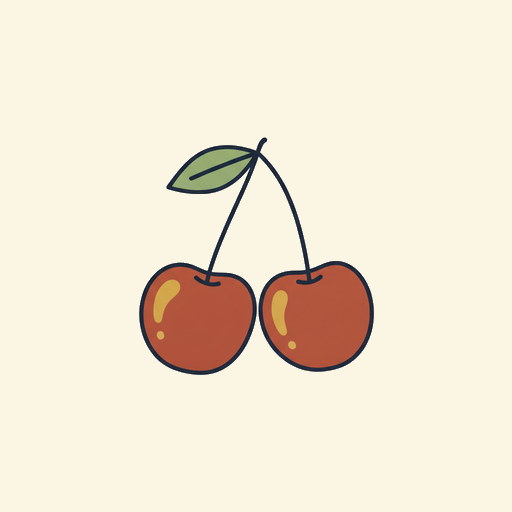 die Kirsche cherry
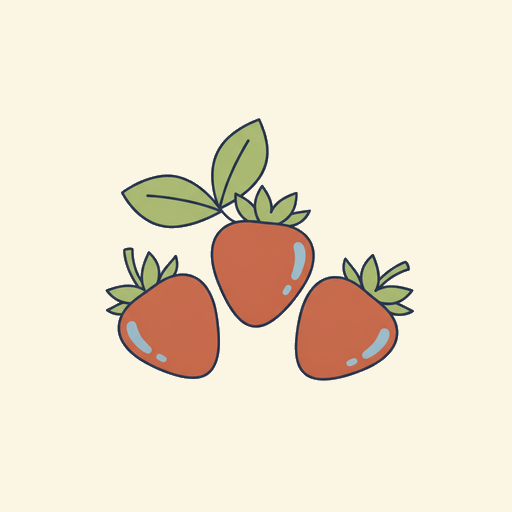 die Erdbeere strawberry
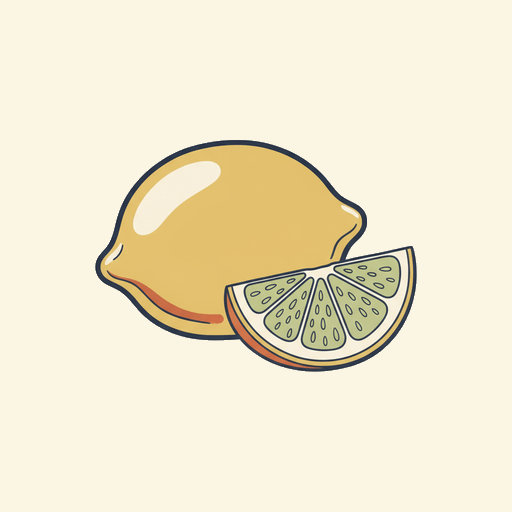 die Zitrone lemon
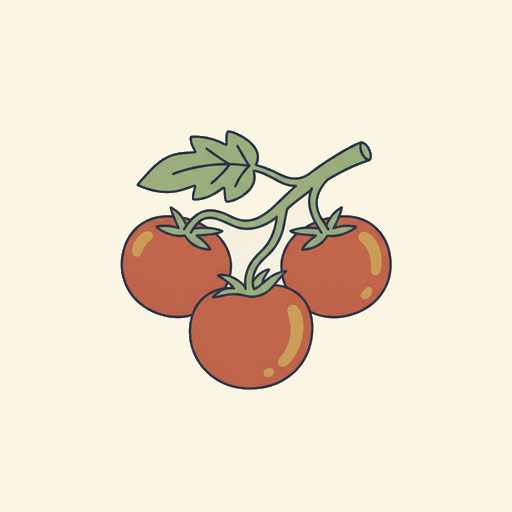 die Tomate tomato
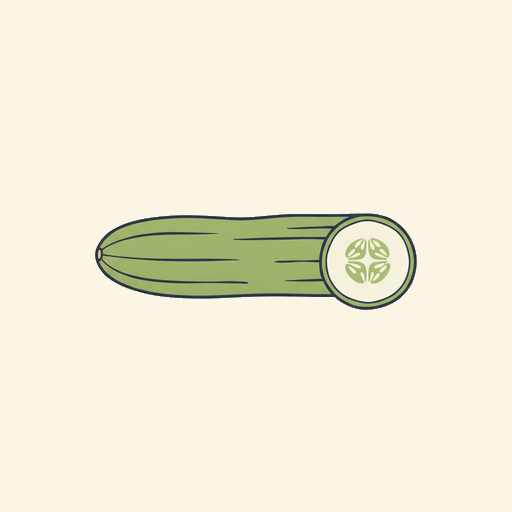 die Gurke cucumber
 die Kartoffel potato
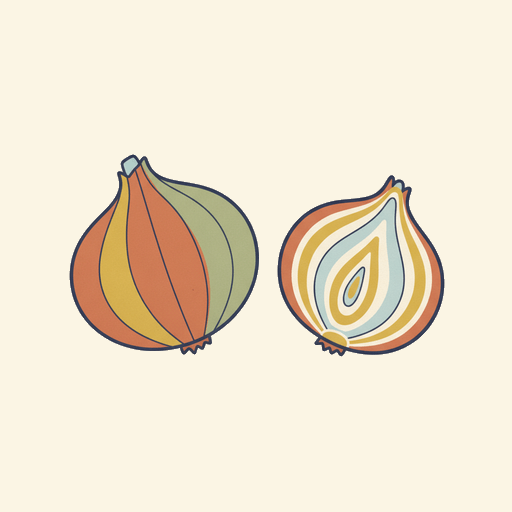 die Zwiebel onion
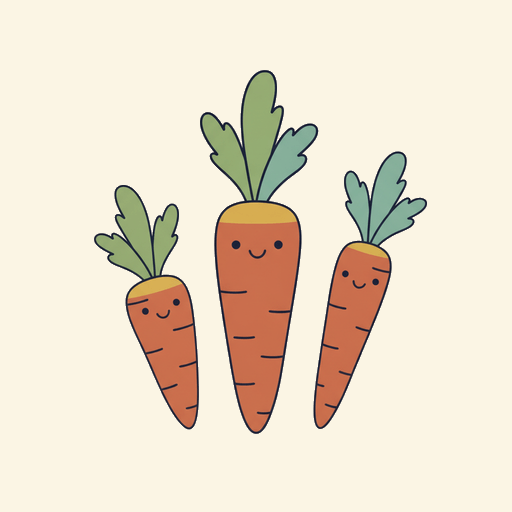 die Karotte carrot
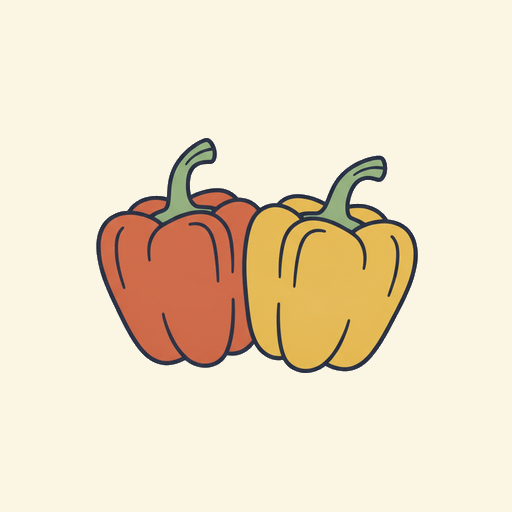 die Paprika pepper
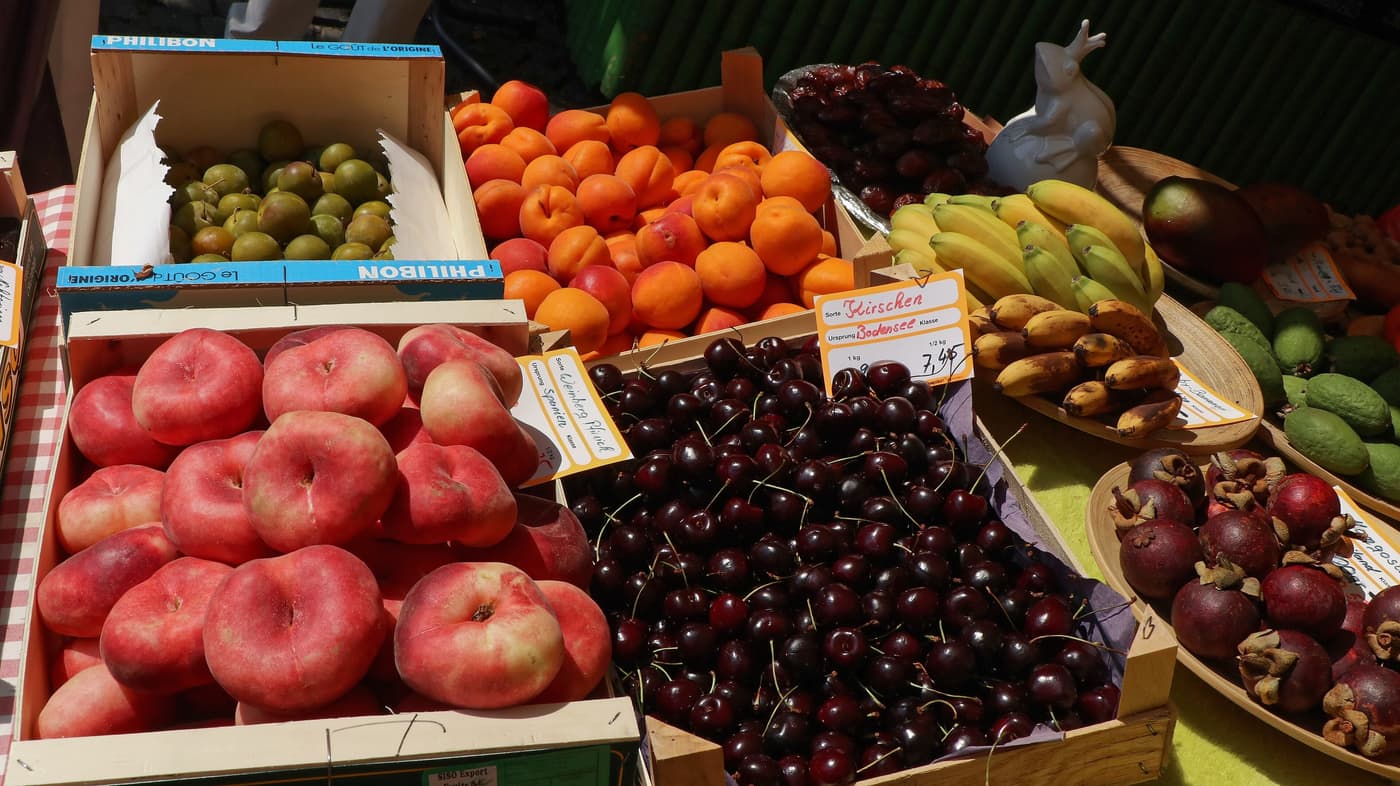
Maya kauft ein
Kirschen vom Bodensee: ein Kilo kostet 7,45 Euro.
Burkhard Mücke, CC BY-SA 4.0Maya is in Munich for the weekend. She has twenty euros, a paper bag and a plan: breakfast from the market, not from the hotel.
Guten Morgen! Was möchten Sie?
Guten Morgen. Ich möchte Äpfel, bitte. Was kostet ein Kilo?
Ein Kilo kostet zwei Euro neunzig. Die Äpfel sind frisch, neue Ernte!
Gut, ein Kilo, bitte. Und ein Pfund Kirschen.
Die Kirschen sind teuer heute: ein Pfund kostet drei Euro siebzig.
Hm. Dann nur zehn Kirschen.
Zehn Kirschen? Das ist ein Euro, so. Möchten Sie auch Brot?
Nein, danke. Eine Brezel, bitte. Was kostet das zusammen?
Zwei neunzig, ein Euro, ein Euro zehn: fünf Euro. Haben Sie es klein?
Ja, hier: fünf Euro. Danke, tschüss!
Danke, schönen Tag! Und die Tüte? Die Tüte kostet zehn Cent.
Oh. Zehn Cent für die Tüte. Hier.
English
Seller: Good morning! What would you like? · Maya: Good morning. I'd like apples, please. What does a kilo cost? · Seller: A kilo costs two euros ninety. The apples are fresh, new harvest! · Maya: Good, one kilo, please. And a pound of cherries. · Seller: The cherries are expensive today: a pound costs three euros seventy. · Maya: Hm. Then just ten cherries. · Seller: Ten cherries? That's one euro, there. Would you like bread too? · Maya: No thanks. One pretzel, please. What does that come to? · Seller: Two ninety, one euro, one euro ten: five euros. Do you have it in small change? · Maya: Yes, here: five euros. Thanks, bye! · Seller: Thanks, have a nice day! And the bag? The bag costs ten cents. · Maya: Oh. Ten cents for the bag. Here.
Richtig oder falsch?
Circle what the text says.
- Maya möchte .
- Ein Kilo Äpfel kostet .
- Maya kauft Kirschen.
- Maya möchte .
- Die Tüte kostet .
Was kostet das?
Write the price in figures, as on a sign.
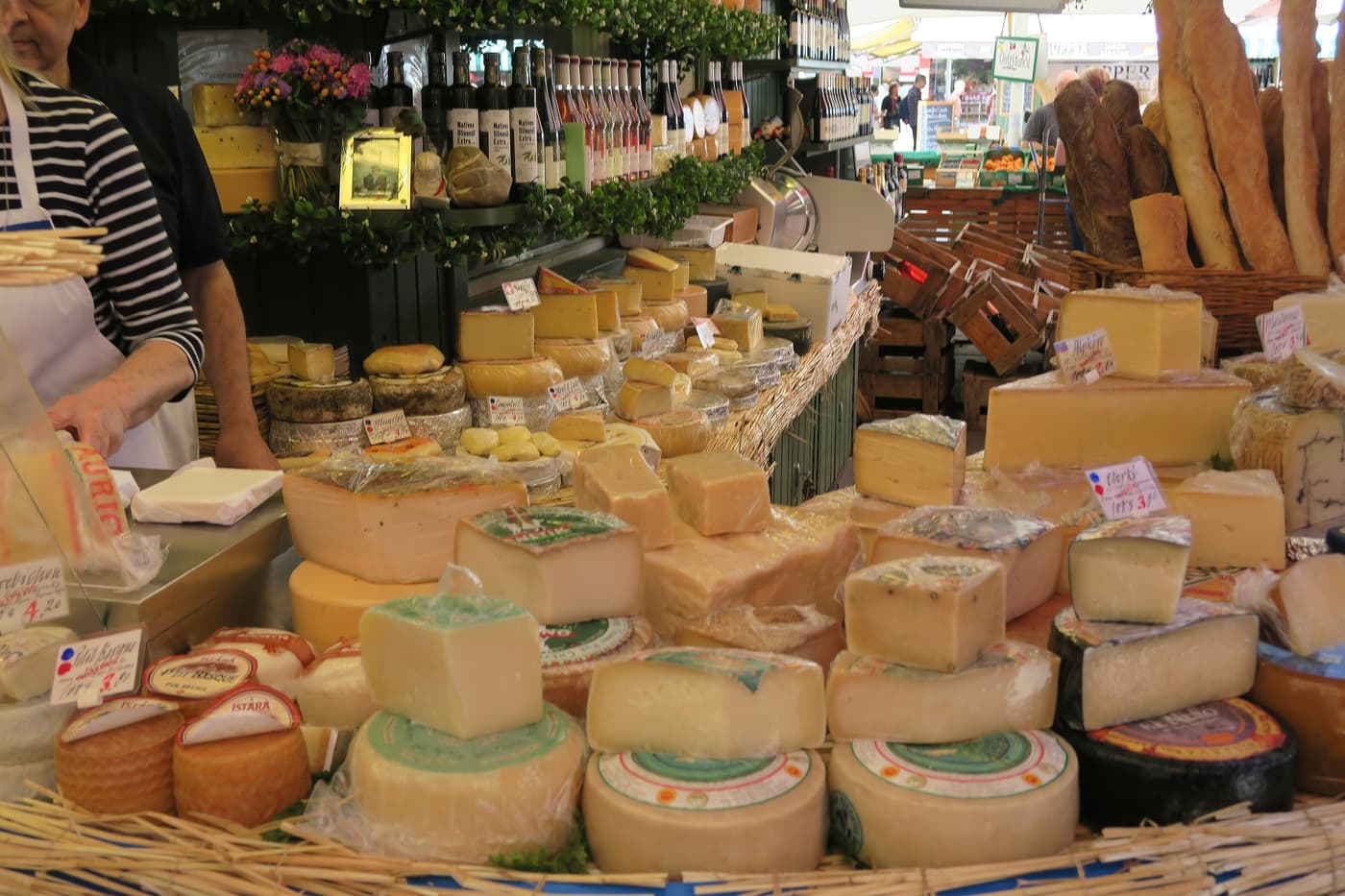
Preise und Mengen
Am Käsestand: 100 Gramm kosten 2,30 Euro.
Maximilian Dörrbecker (Chumwa), CC BY-SA 2.5Saying a price, saying how much
Mini-Check
Circle the right word.
- ein Kilo
- 7,45 €:
- 1.200 € ist
- ein Pfund
- hundert Gramm
- 250 €: Euro
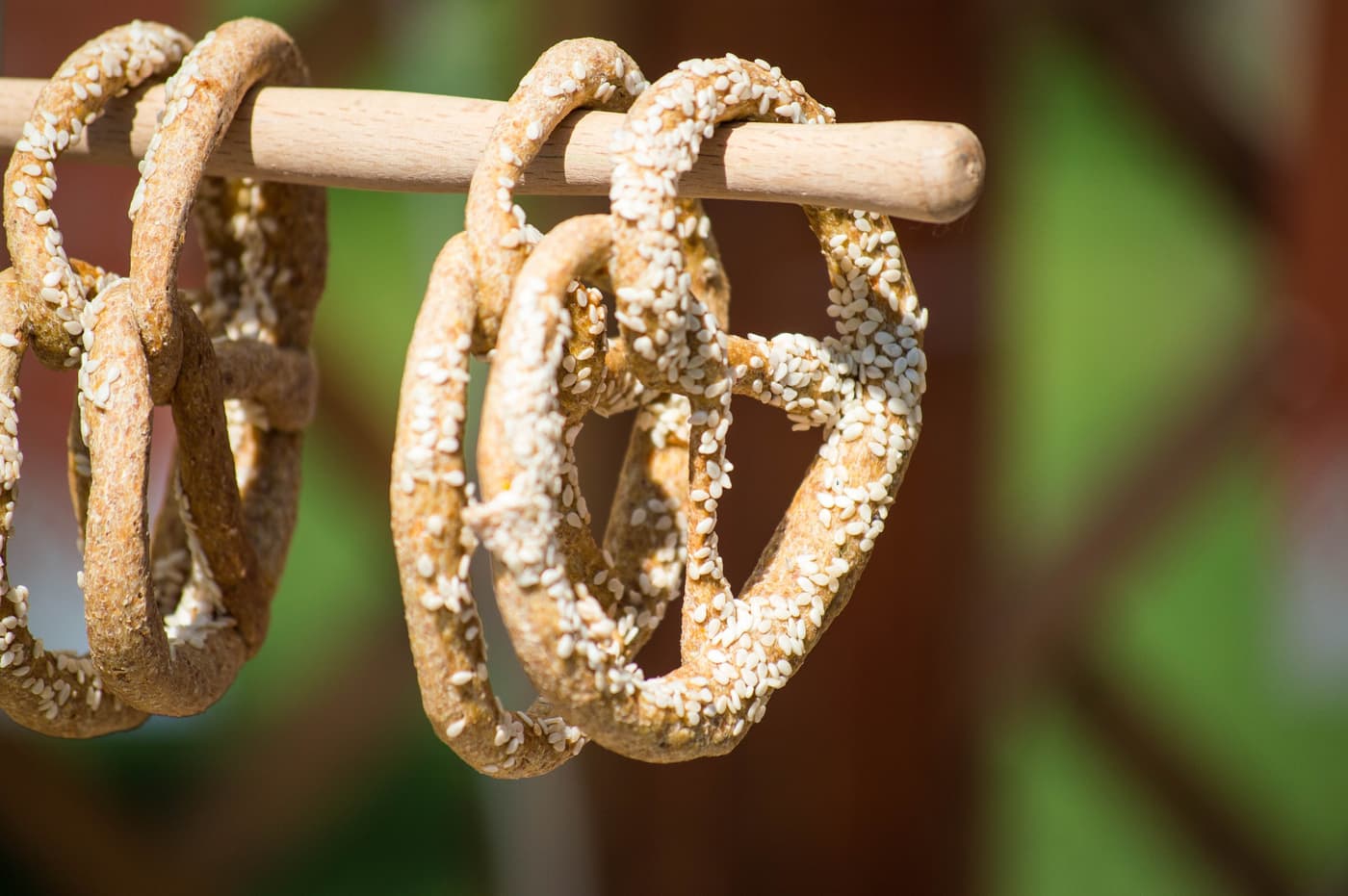
Ich möchte … und der Plural
Eine Brezel kostet ein Euro zehn.
Kristina Balić daisyk9, CC0Asking politely, and more than one of something
Mini-Check
Circle the right word.
- Ich Tomaten.
- Was die Kirschen?
- drei
- du Brot?
- Was das zusammen?
- zehn Eier
Ein Obststand auf dem Wochenmarkt in Münster. Die Schilder sind mit der Hand geschrieben.
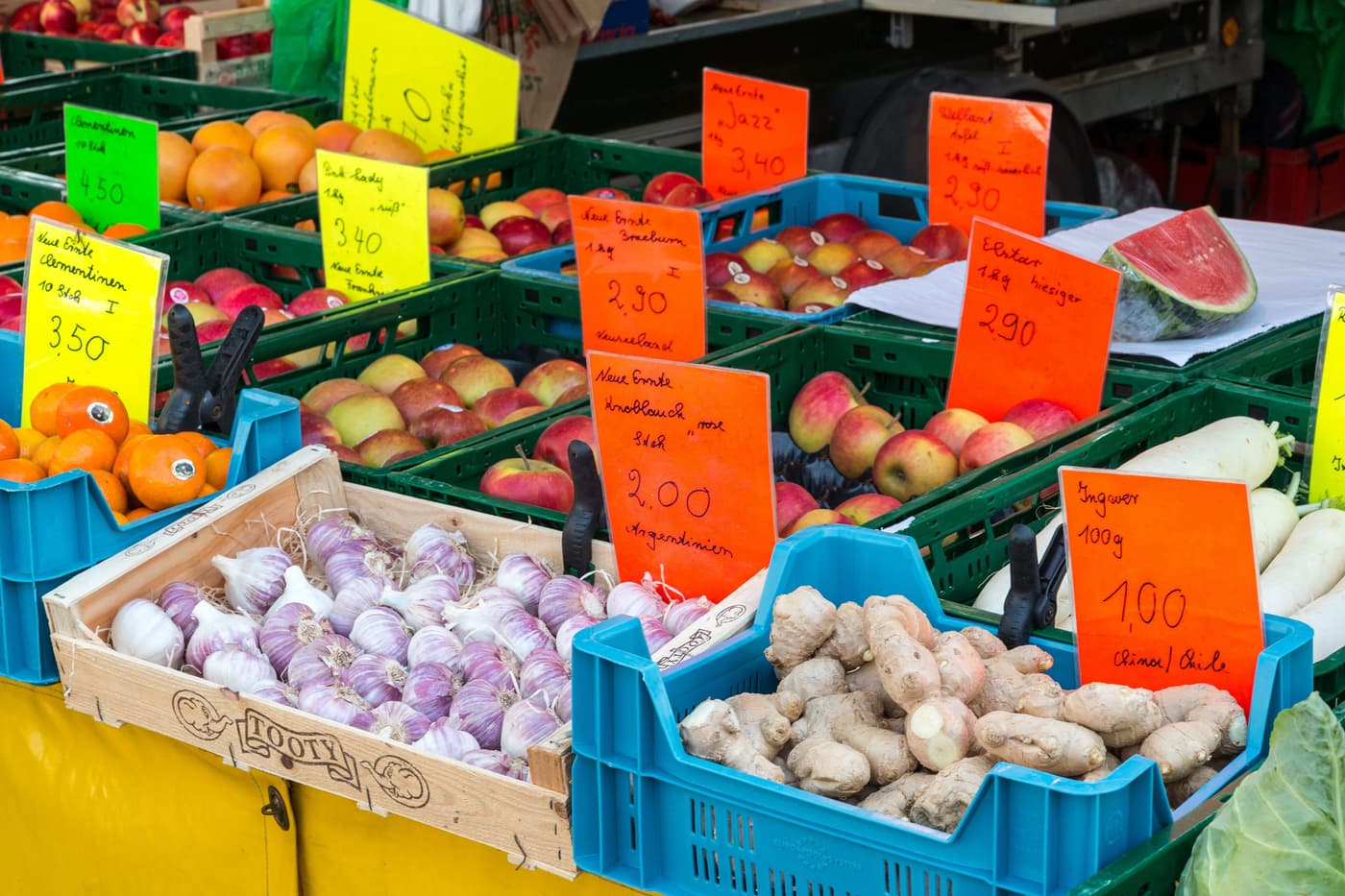
Lies die Schilder
Find each price on the signs and write it.
- 1 kg Äpfel „Elstar“ (hiesiger): €
- 1 kg Äpfel „Pink Lady“ (süß): €
- 10 Stück Clementinen: €
- 100 g Ingwer: €
- 1 Stück Knoblauch: €
Woher kommt das?
The small word under the price is the country. Circle it.
- Die Äpfel „Braeburn“ kommen aus .
- Der Knoblauch kommt aus .
- Der Ingwer kommt aus .
Du hast 10 Euro
Buy two things from the signs. Write what you buy and what it costs together.
- Ich möchte .
- Das kostet zusammen Euro.
Übungen 1 of 2
Der Viktualienmarkt in München: 140 Stände, sechs Tage die Woche, seit 1807.
Henning Schlottmann (H-stt), CC BY-SA 4.0Preise
Write each price the way you would say it.
möchte
Write the right form of möchte.
- Ich ein Kilo Tomaten.
- du eine Brezel?
- Was Sie?
- Wir bezahlen, bitte.
- Lena zehn Eier.
Einer oder viele?
Circle the plural.
- ein Kilo
- zehn
- zwei
- drei
- ein Pfund
- vier
Auf dem Markt
Listen to the market seller and write each price on its tag. No phone? Ask someone to read you the prices from the key.
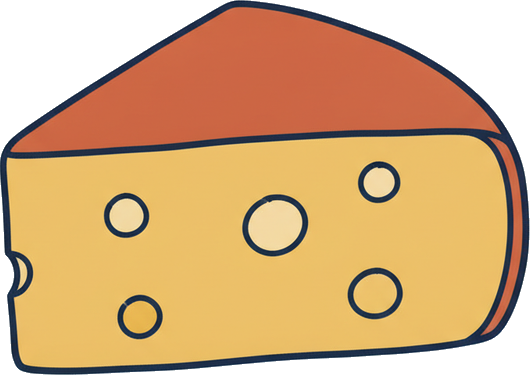 ein Stück Käse €
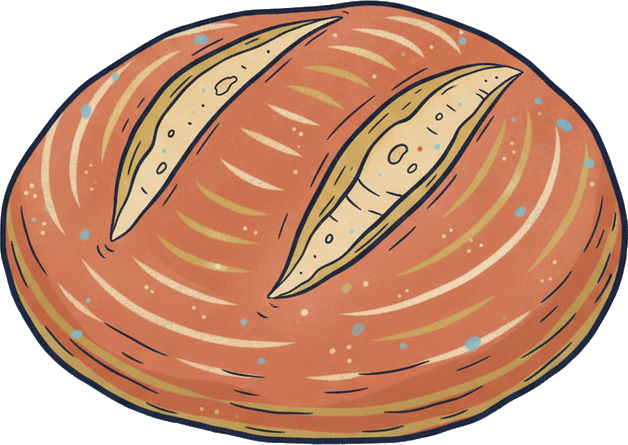 ein Brot €
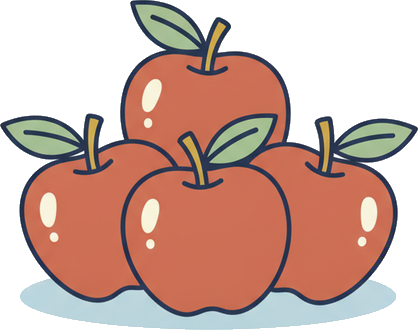 ein Kilo Äpfel €
- die Kartoffeln €
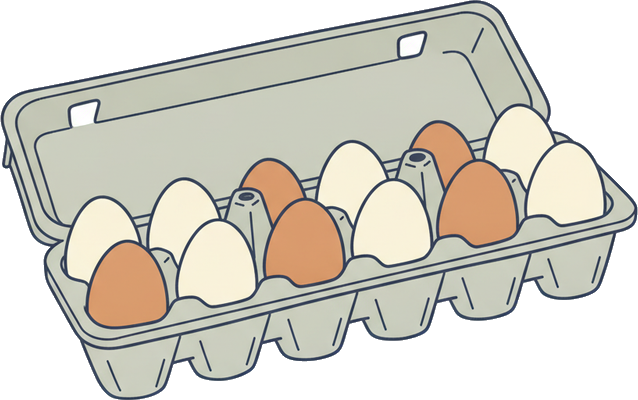 zehn Eier €
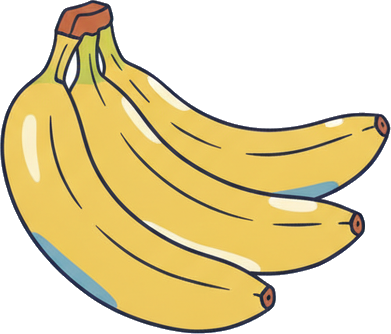 die Bananen €
Am Stand
Put the conversation in order: write 1 to 6.
Übungen 2 of 2
Ein Obststand auf dem Wochenmarkt in Münster. Die Schilder sind mit der Hand geschrieben.
Dietmar Rabich, CC BY-SA 4.0Deine Einkaufsliste
Write your shopping list for Saturday: four things, with amounts.
- Ich möchte ,
- ,
- und
- .
Finde den Fehler
One word is wrong in each sentence. Write the sentence correctly.
Große Zahlen
Write the number in words.
Sag es auf Deutsch
Write it in German.
Bilder-Check
Write each word with der, die or das. No peeking at the word page.