Whoever moves to a German village often receives an invitation in the first week: to the sports club, the choral society, the volunteer fire brigade or the shooting club. In Germany there are around 600,000 clubs, more than in any other country in Europe. Every second adult is a member of at least one, and almost 29 million people volunteer, that is: freely, regularly and without pay.
The best-known example is the fire brigade. In the big cities there are professional fire brigades, but in over 90 per cent of municipalities the fire brigade consists of volunteers. About a million people are active there. The baker, the teacher, the student you deal with by day leave everything at night when the alarm comes on their phone. Without them the system would not work; no country could pay for a professional fire brigade for every village.
A club entered in the register of associations carries the letters e. V., registered association. For that you need at least seven founding members, statutes stating purpose and rules, and a board that is elected. The club may not make a profit; the money it takes in must be spent on its purpose. The members pay a fee that is often lower than a cinema ticket a month.
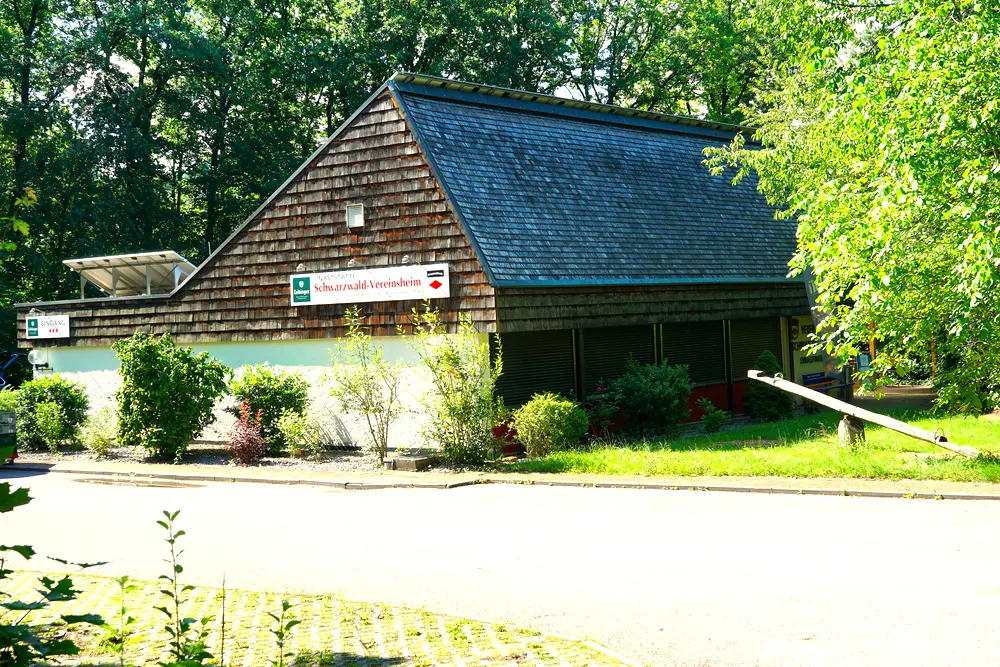
The place where club life happens is the clubhouse: a room or a small building with a bar, trophies and photos, in which people rehearse, celebrate and argue. For many people in the countryside the club is the place where they meet their friends, and the club's summer festival is the event the whole village waits for.
But the clubs have a problem they call worries about the next generation. Young people move to the cities, work longer and do not like binding themselves to a club for years. Chairpersons who want to hand over their office find nobody to take it on. Some clubs dissolve, others go digital and offer memberships that can be cancelled monthly. Whether that is enough is a question being argued about in many clubhouses right now.