The story is so short that one can retell it without leaving anything out. Before the law stands a doorkeeper. To him comes a man from the country and asks for admission. The doorkeeper says he cannot grant him admission now; later perhaps. The door stands open, and the man bends forward to look in; the doorkeeper laughs and says he should try then, but he is only the lowest of many doorkeepers, and even he cannot bear the sight of the third one. The man waits. He waits days, he waits years, he waits until he is old. He asks, he bribes, he curses his misfortune, he studies the fleas in the doorkeeper's fur collar and asks them too for help. Dying, he puts a last question: everyone strives after the law, so how is it that in all these years nobody but him has come? And the doorkeeper, who sees that the man is at his end, roars into his fading ear: Nobody else could gain admittance here, for this entrance was meant for you alone. I am going now and shall close it.
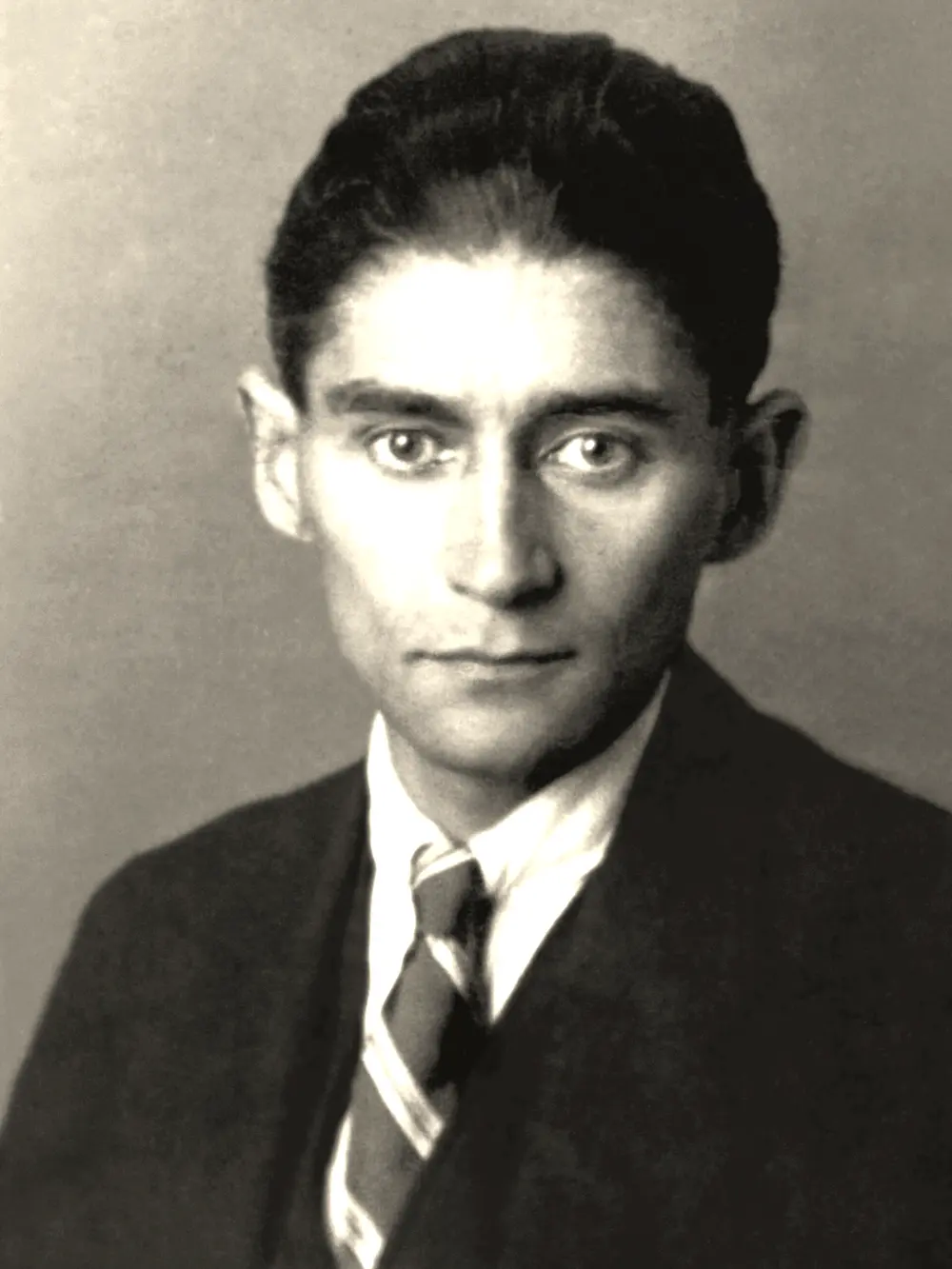
Franz Kafka published this text in 1915 in a Prague periodical, as the only part of the novel he released in his lifetime; in 'The Trial', which appeared in 1925 after his death, a prison chaplain tells it to the accused Josef K. in the cathedral, and the two then argue for pages about its meaning without agreeing. That is the first hint of how to read the parable: not as a riddle with a solution but as a text that performs interpretation itself. The chaplain says so explicitly. The scripture is unalterable, and the opinions are often only an expression of despair about that.
People have despaired plentifully since. The theologians read the law as God or as grace, the doorkeeper as the church, the man as a believer who does not find the way to salvation because he waits for permission where none would be needed; they pointed out that Kafka was a Prague Jew who knew the debates of the Kabbalah, and that the way to the Torah with the rabbis also leads through gates. The lawyers read the law as law: as the institution that stands open to everyone and lets nobody in, because between citizen and right stand officials who refer to other officials. Kafka was a doctor of law and worked fourteen years in an accident insurance; he knew how doorkeepers talk. The psychologists read the doorkeeper as the father before whom the son waits a lifetime for permission, or as the obstacle the man erects for himself: nobody holds him. The door stands open. He does not go through.
Is the man from the country guilty, then? Here the real difficulty begins. The doorkeeper did not lie to him; he said not now, and later perhaps, and he expressly invited him to try. But he also told him that further doorkeepers stand behind, each mightier than the last, and who would blame a man for believing such a threat? The man did everything a reasonable person does: asked, waited, paid, hoped. Only the one thing he did not do, and it is the only thing open to him. So he is at once deceived and free, obedient and guilty, victim of the order and its sole builder. For the parable says it itself at the end: the entrance was meant for him alone. There was no order, only him and his idea of it.
Why does one page carry a hundred years of interpretation? Not because it is obscure; every word is clear, every sentence is simple, a child can understand the story. But because it has a form that every reader fills with their own law. Whoever knows a bureaucracy reads a bureaucracy. Whoever knows a father reads a father. Whoever believes in God or no longer believes reads God. The parable is not a picture of something; it is the picture of waiting before something, and everyone has stood there. That is why it is not a story of failing against a foreign power either. It is the story of a man who begged permission for his freedom from the one who could not give it to him because it had long been his.
Kafka left no interpretation. He laughed, by the testimony of his friend Max Brod, when reading it aloud. Perhaps that is the one reading the text does not evade: that a man spends his life before an open door and asks at the end why nobody else has come is dreadful, and it is, viewed from sufficient distance, comic. But the distance one has only with others.