The cinema is the only art form whose death has been reported regularly for as long as it has existed. When television arrived in living rooms in the fifties, the business of many small houses did indeed come to a standstill; in the Federal Republic the number of tickets sold fell within fifteen years from over 800 to under 150 million. The video cassette was to finish the job, then the DVD, then the internet. Each time the diagnosis was made with good reasons, and each time the patient survived, reduced, changed, but alive. The latest illness is called streaming, and it is more serious than the previous ones.
The figures are unambiguous. In 2019, the last year before the pandemic, 118 million cinema tickets were sold in Germany; in 2024 it was a good 90 million, a quarter less. In the same period household spending on streaming subscriptions rose to a record, for the eighth year in a row. The pandemic hit the industry hard, but it only accelerated the trend, it did not start it. What has changed is not the appetite for film but the place where it is watched: a film that used to run on television six months after its cinema release is today often streamed after a few weeks, some on the day of the premiere.
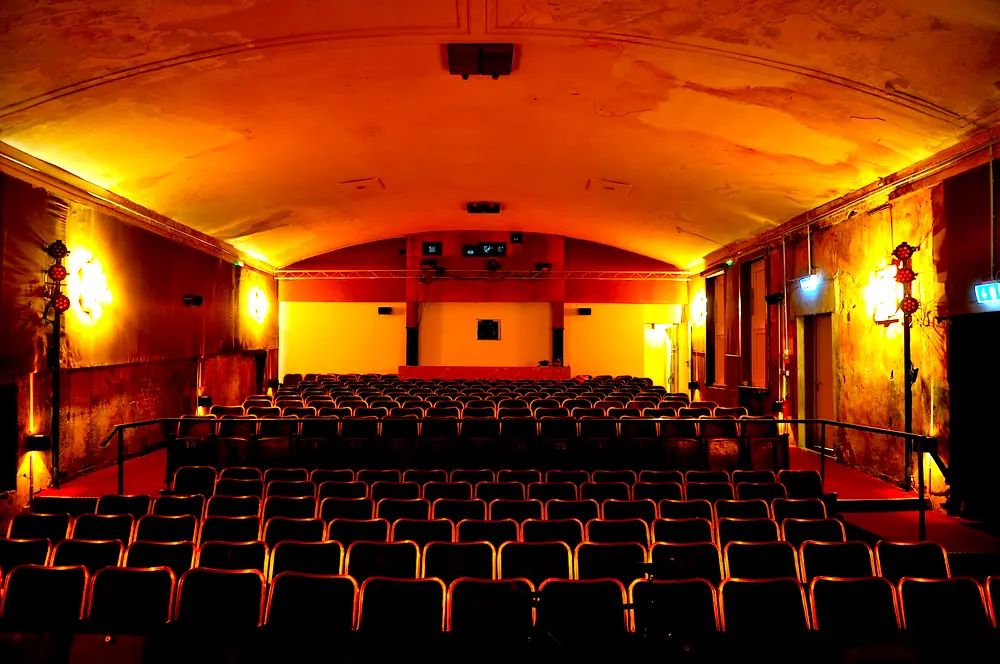
To understand what the cinema is losing, one has to understand what it ever sold. It was never just the film. It was the house one went to, the dark auditorium, the screen of twenty metres on which an image that is nothing on a phone comes into its own, and it was the strangers in the audience with whom one laughed, startled and fell silent. Television took convenience from the cinema, video took availability, streaming took choice. What none of the three could take from it is the appointment: the decision to go to a certain place at a certain time in order not to be interrupted for two hours. That sounds like little. In a world in which every film is available at any time on any device, it is the only thing that has become scarce.
The industry has answered in two ways. The big chains bet on the event: bigger auditoriums, better seats, picture and sound formats that cannot be reproduced at home, and films marketed as events, with premieres, costumes and midnight screenings. That this works was proved by the summer of 2023, when two very different films opened on the same weekend and brought an audience long believed forgotten into the auditoriums in their millions. The small houses, by contrast, the arthouse cinemas in the city centres, bet on the opposite: on curation, talks with directors, seasons, regulars, on the cinema as a place that knows its stuff. Both are answers to the same question: why should I leave the house?
Added to this is an economic circumstance that often distorts the debate. A cinema visit today costs just under ten euros on average, a subscription that supplies a whole family for a month hardly more. For the price of one cinema evening for four you get half a year of streaming. That 90 million tickets are sold nonetheless is, under these circumstances, less a sign of decline than of tenacity: people pay ten times as much for something they could have at home almost for free. They must have a reason.
The question remains who still comes. The cinema audience is ageing. The average visitor today is in their mid-forties; people over fifty now buy more tickets than those under thirty, who carried the cinema in the nineties. For the younger ones a film is something you start on the way to school and finish in bed at night, in bites, with subtitles, at double speed. That they still go to the cinema when a film becomes an event shows that the appointment counts for them too. Only it has become rarer, and between the events the auditoriums stay empty.
So what the cinema is losing is its everydayness. It will not die; it will become what the theatre has been since the cinema and the concert since the record: an art form one seeks out instead of consuming, more rarely, more consciously, more expensively. The lament about this is understandable and a hundred years old. The theatre survived it. It did, however, stop envying the living rooms.