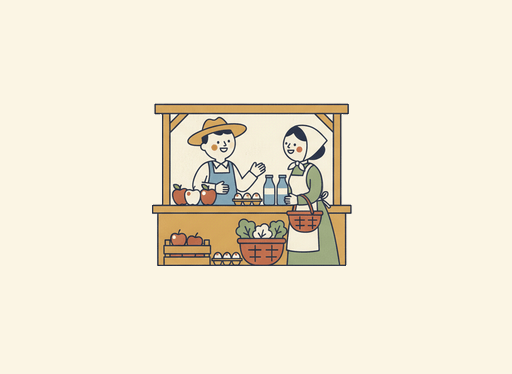
More and more people in Germany buy food from their own region. Fruit, vegetables, eggs and dairy products are particularly in demand. (1) Although prices are often higher, many customers prefer apples from the farmer next door to imported goods. The reasons (2) for this are varied: short transport routes, fresher goods and the feeling of supporting local agriculture. A survey (3) that was carried out last year shows that almost two thirds of those asked pay attention to origin when shopping.
Critics, (4) however, object that regional (5) is not automatically sustainable. An apple from the region that (6) has been stored in a cold store for months may have used more energy than one freshly imported from overseas. Tomatoes grown in heated greenhouses in winter also have a poor climate balance. So how a product was grown and stored matters too.
(7) Despite these objections the trend remains stable. Supermarkets have reacted and offer their own regional brands. Some chains now even advertise with photos of the farmers from whom they buy their goods. Many small farms benefit (8) from being able to sell their products directly – in the farm shop, at the weekly market or via online platforms.
Experts advise consumers to pay attention not only to origin (9) but also to the season. Anyone who buys regional strawberries in summer and turns to cabbage and apples in winter usually eats fresh and climate-friendly food at the same time. (10) That is why many consumer advice centres now recommend a seasonal calendar that can hang where it is easy to see on the fridge. Presumably, though, buyers are concerned with more than the climate balance: with trust, with taste and with a piece of home.