A1.2 · 2 of 36
Possessivartikel
Lesson · 4 rules · about 5 min
Say whose things are whose — mein, dein, sein, ihr — and get the ending right by looking at the noun, not the owner.
- 1Pick the owner
- 2Then add the ein-ending for the noun
- 3sein vs ihr — his vs her
- 4euer loses an e
Why this matters
Possessive articles say whose something is — mein, dein, sein, ihr, unser, euer, Ihr — and they behave exactly like ein: they take the ein-endings, decided by the noun that follows, not by the owner. So mein Vater (masculine), mein Kind (neuter), meine Mutter (feminine), meine Eltern (plural); and in the accusative the masculine adds -en: Ich sehe meinen Vater. The owner only decides which word you start from: sein for his (and for its with a der/das-word), ihr for her (and for their), Ihr with a capital for your (formal). Choose the owner, then add the ending for the noun — two separate decisions, in that order.
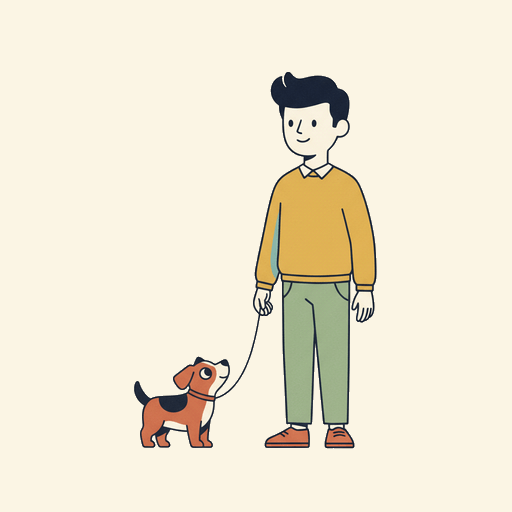
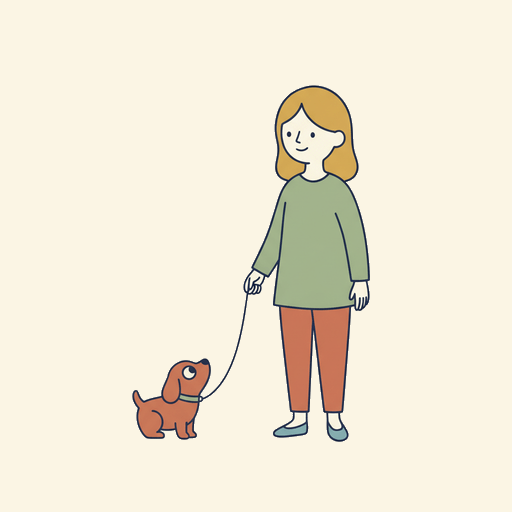
mein (my, Nom.)
Das ist Vater.
That is my father.
Report a problem
Exercise
Possessivartikel · A1.2
No single question is on screen — the report is about the whole exercise.
Reports go to the forum, where anyone can read them and the answer is kept for the next learner. To send one — and to be told when it is answered — sign in first. It takes one email, and no password.
Signing in lets us reply to your report, and shows you the answer the next time you are here. We email you a one-time link: no password, and nothing is shared with anyone.